





What's Happening?
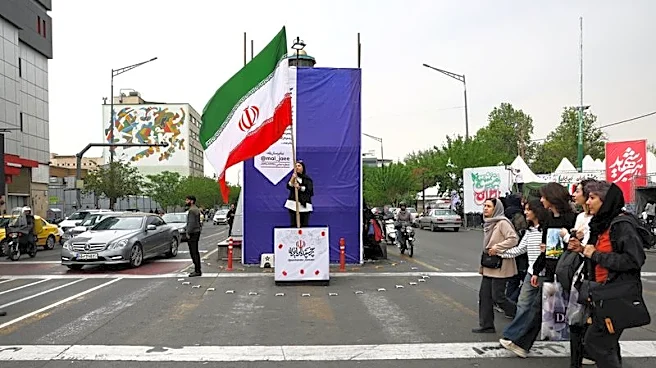
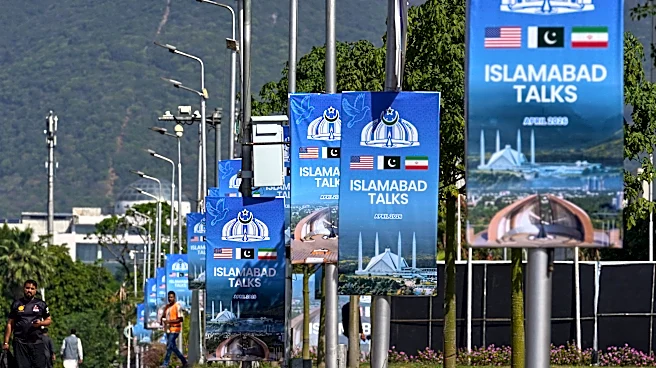
President Trump has announced an indefinite extension of the ceasefire between the U.S. and Iran, just hours before the deadline to resume hostilities. This decision comes as Pakistan, mediating the talks, requested a delay in military actions. The ceasefire extension aims
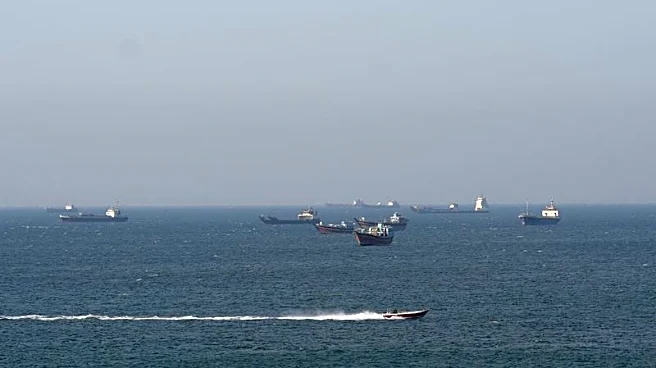
to allow ongoing negotiations to reach a conclusion. The situation remains complex, with Iran's government reportedly fractured following the loss of key leaders in recent airstrikes. The U.S. continues to enforce a naval blockade on Iranian cargo ships, complicating diplomatic efforts.
Why It's Important?
The extension of the ceasefire is crucial in preventing immediate military escalation in the region, which could have significant geopolitical and economic repercussions. The Strait of Hormuz, a critical chokepoint for global oil shipments, remains a focal point of tension. Any disruption could impact global oil prices and economic stability. The U.S.'s strategic interests in preventing Iran from acquiring nuclear capabilities also play a central role in these negotiations. The outcome of these talks could reshape U.S.-Iran relations and influence regional power dynamics.
What's Next?
The indefinite nature of the ceasefire suggests prolonged negotiations, with potential shifts in U.S. and Iranian strategies. The U.S. may continue to leverage economic and military pressure to achieve its objectives, while Iran's internal political dynamics could affect its negotiating stance. The international community, particularly countries reliant on oil from the region, will closely monitor developments. The possibility of renewed hostilities remains if talks fail to produce a satisfactory agreement for both parties.