







What's Happening?
The Armstrong House Museum in Rushville, Nebraska, operated by the Sheridan County Historical Society, is actively preserving local history. The museum is one of several sites managed by the society, which also includes locations in Gordon and Hay Springs.
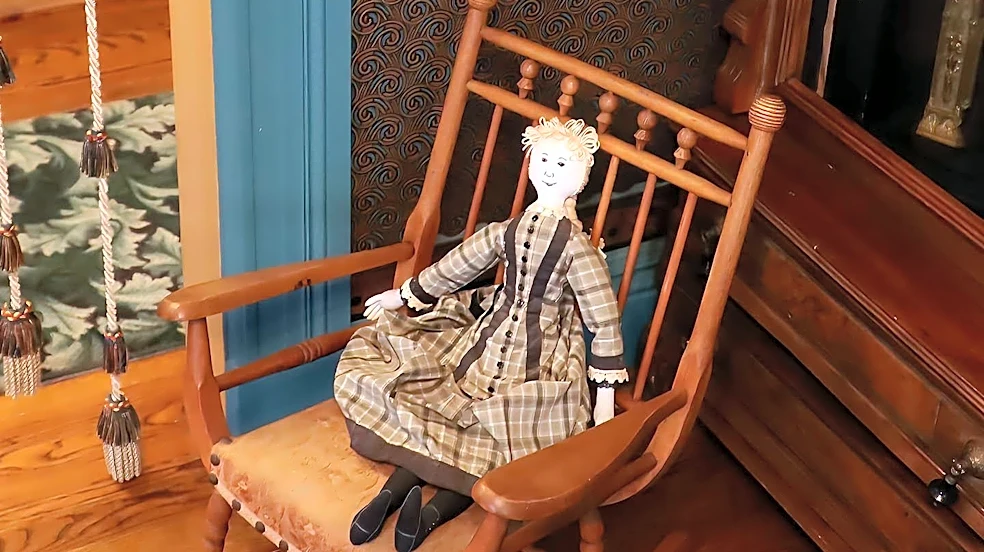
The Armstrong House itself has a rich history, originally serving as a residential home before being converted into a church, and eventually becoming a museum in 1962. According to Jerry Wellnitz, a representative of the museum, the name "Armstrong House" likely originated from the Armstrong family, who are believed to have significantly expanded and improved the original house. The museum primarily showcases items from Sheridan County, offering visitors a tangible connection to the area's past. A newer addition to the Rushville site is the Sheridan County History Center, which houses extensive genealogy records, providing resources for individuals researching their family ties to the county.
Why It's Important?
The Armstrong House Museum plays a vital role in preserving the cultural heritage and historical narrative of Sheridan County, Nebraska. By maintaining artifacts and records, the museum ensures that the stories and experiences of past generations are not lost, providing a continuous link between the past and present. The availability of genealogy records at the Sheridan County History Center is particularly significant, as it allows individuals to connect with their ancestral roots and understand their place within the broader historical context of the region. This preservation effort fosters a sense of community identity and pride, educating current residents and future generations about the unique history of their area. Furthermore, the museum serves as a valuable educational resource, offering insights into the daily lives, challenges, and achievements of early settlers and residents of Sheridan County, contributing to a deeper understanding of local and regional history.
What's Next?
The Armstrong House Museum, along with other sites managed by the Sheridan County Historical Society, will continue its mission of collecting, preserving, and exhibiting historical items and records. Future efforts may involve expanding their collections, digitizing more records for broader accessibility, and developing new educational programs or exhibits to engage the public. The museum's presence on Facebook, under "Rushville Armstrong House Museum," suggests an ongoing commitment to community engagement and outreach, which may include promoting events, sharing historical facts, and encouraging public participation. Continued support from the community, through donations, volunteer efforts, and visits, will be crucial for the museum's long-term sustainability and its ability to further its preservation goals. The focus will likely remain on connecting visitors with their past and ensuring that the rich history of Sheridan County remains accessible and relevant.
Beyond the Headlines
The preservation efforts of institutions like the Armstrong House Museum extend beyond mere artifact collection; they contribute to the broader societal understanding of local identity and the evolution of American communities. In an increasingly globalized world, local museums serve as anchors, reminding people of their specific heritage and the unique narratives that shape their towns and regions. The emotional connection visitors feel when encountering items that remind them of their childhood or their grandparents, as noted by Jerry Wellnitz, highlights the profound personal impact of historical preservation. These museums are not just repositories of old objects but living testaments to human experience, fostering intergenerational dialogue and a deeper appreciation for the continuity of history. They also play a subtle but important role in civic engagement, encouraging residents to take pride in their community's past and invest in its future.