








What's Happening?
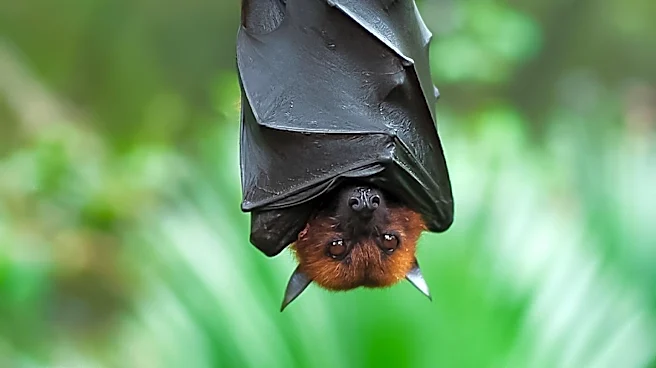
Biologists with the North Carolina Wildlife Resources Commission (NCWRC) have captured an endangered Indiana bat in the state for the first time since 2015. The discovery was made in the Nantahala National Forest in Graham County during a survey for bat colonies
that have survived white-nose syndrome (WNS), a disease that has decimated bat populations. Indiana bats have been federally endangered since 1967 and are native to several eastern states. The NCWRC team expanded their survey efforts after capturing little brown bats, another species susceptible to WNS, in the area. The capture of the Indiana bat is significant as it indicates the presence of surviving colonies in North Carolina's mountains, where WNS has been particularly damaging.
Why It's Important?
The rediscovery of the Indiana bat in North Carolina is a positive sign for conservation efforts aimed at protecting endangered bat species. Bats play a crucial ecological role by consuming billions of insects annually, which helps control pest populations and supports agricultural productivity. The presence of Indiana bats in the region suggests that some colonies have managed to survive the devastating effects of white-nose syndrome. This finding could lead to increased conservation efforts and funding to protect and restore bat habitats. It also highlights the importance of ongoing monitoring and research to understand the impacts of WNS and develop strategies to mitigate its effects.
What's Next?
The NCWRC plans to continue its survey efforts to identify and protect bat colonies that have survived white-nose syndrome. This may involve expanding mist-netting and roost surveys to gather more data on bat populations and their habitats. The findings could inform conservation strategies and policies aimed at preserving bat species and their ecological roles. Additionally, researchers may explore potential treatments or management practices to combat white-nose syndrome and support bat recovery. Collaboration with other wildlife agencies and organizations could enhance conservation efforts and lead to more comprehensive solutions.