









What's Happening?
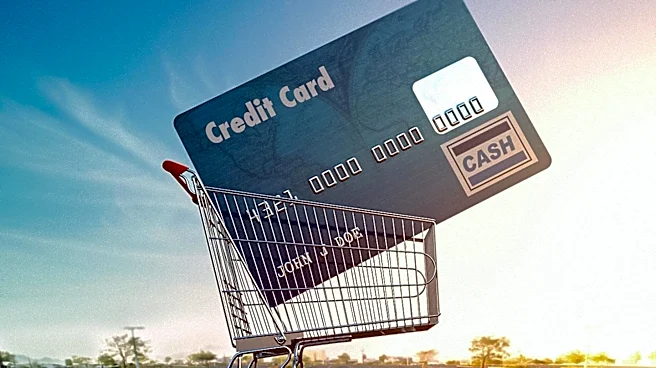
A recent study by the Urban Institute highlights a significant increase in the reliance on credit cards by American families to purchase groceries, driven by a 32% rise in food costs over the past five years. The report indicates that more than one in four
working-age Americans have resorted to credit card debt to manage their grocery expenses. The study also notes a troubling trend where the percentage of individuals failing to make minimum payments on credit cards used for groceries rose from 7.1% in 2023 to 8.7% in 2025. Additionally, 'buy now, pay later' plans have been utilized by 8.9% of adults for food purchases, with over a third of these users missing installment payments. The findings underscore the financial strain on families, particularly middle-income earners, who are increasingly unable to keep up with rising food prices.
Why It's Important?
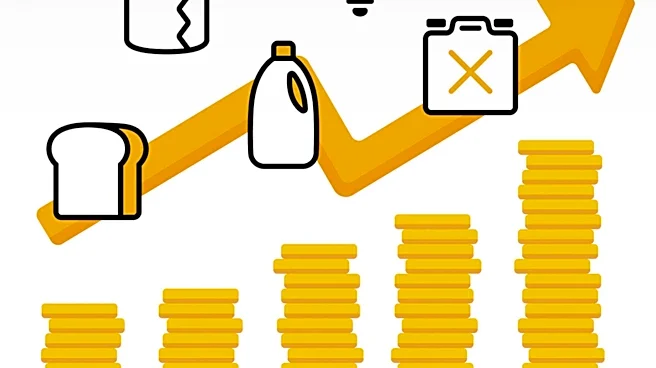
The study's findings are significant as they highlight the growing financial instability among American families, particularly those in the middle-income bracket. The reliance on credit cards and installment plans for essential purchases like groceries indicates a broader economic challenge, where rising costs outpace income growth. This trend could lead to increased financial distress and instability, as families struggle to manage debt and maintain their standard of living. The situation also reflects broader economic pressures, including supply chain disruptions and geopolitical factors, which continue to drive inflation. The inability to meet basic needs without accruing debt could have long-term implications for consumer spending and economic growth, potentially affecting the broader U.S. economy.
What's Next?
As food prices remain high, the financial strain on American families is likely to persist. Policymakers may need to consider measures to address food affordability and support for those struggling with debt. The Federal Reserve's efforts to manage inflation will be crucial, as achieving its 2% inflation target could help stabilize prices. Additionally, there may be increased scrutiny on credit and lending practices, particularly concerning 'buy now, pay later' plans, to ensure they do not exacerbate financial instability. The upcoming release of inflation data will be closely watched for indications of future economic trends and potential policy responses.