
What's Happening?
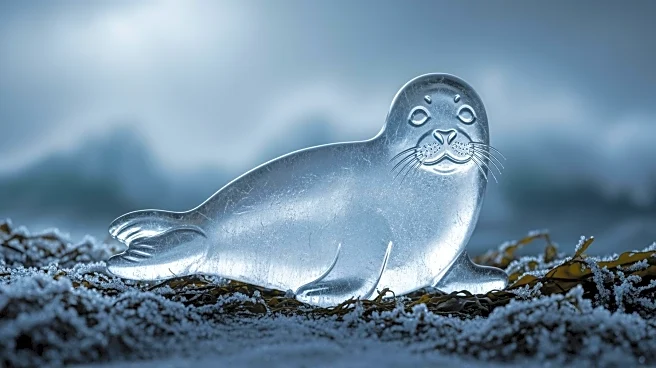
The Guernsey Society for the Prevention of Cruelty to Animals (GSPCA) concluded 2025 with the rescue of its third seal pup in December. The latest rescue involved a six-week-old male seal named Glacier,
found at Fairy Ring Pleinmont. Glacier was discovered to be underweight, dehydrated, and suffering from a chest infection. Geoff George, head of marine mammals at GSPCA, noted that the pup was half the weight it should be and required extensive care, including antibiotics. The rescued seal pups, including two others named Frosty and Blizzard, are currently housed in a temporary seal pup area as the charity continues to build a new wildlife hospital. The GSPCA has raised nearly half of its £3.7 million target for the new facility. The organization anticipates more rescues due to the stormy weather typical of the seal pup season.
Why It's Important?
The rescue efforts by the GSPCA highlight the ongoing challenges faced by wildlife due to environmental conditions and human impact. The increasing number of seal rescues underscores the importance of wildlife conservation and the need for adequate facilities to care for vulnerable animals. The GSPCA's efforts not only provide immediate care for the rescued seals but also contribute to the broader goal of wildlife preservation. The construction of a new wildlife hospital is crucial for enhancing the organization's capacity to respond to such emergencies. This development is significant for the local community and environmental stakeholders, emphasizing the need for continued support and funding for wildlife conservation initiatives.
What's Next?
The GSPCA will continue its efforts to rescue and rehabilitate seal pups during the ongoing seal pup season. The organization is likely to face more rescue operations due to the adverse weather conditions. The completion of the new wildlife hospital will be a critical milestone, providing improved facilities for the care of rescued animals. The GSPCA is expected to continue its fundraising efforts to meet the financial target for the hospital's construction. Community engagement and support will be vital in achieving these goals and ensuring the long-term success of the organization's conservation efforts.