







What's Happening?
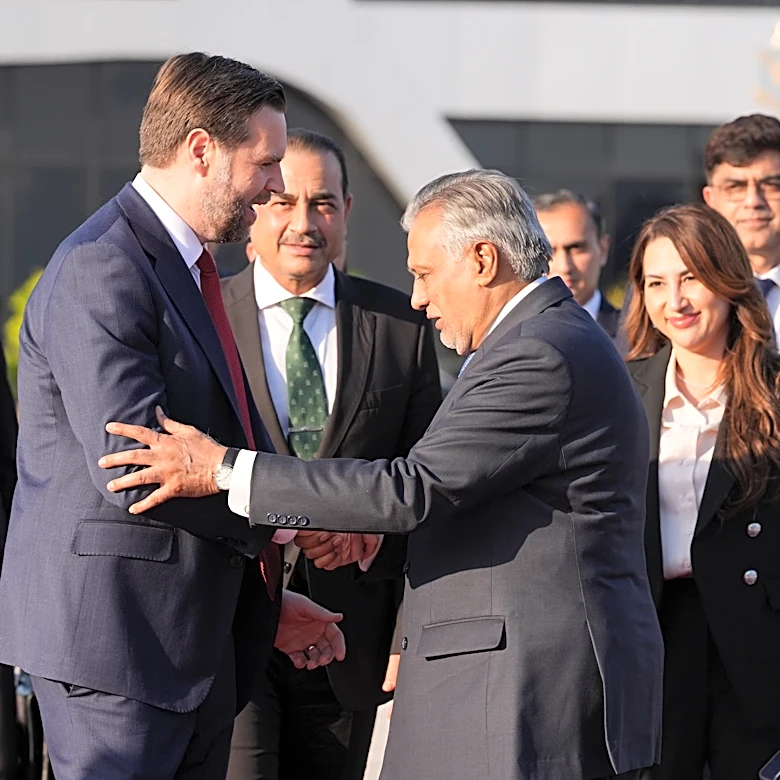
Vice President JD Vance announced that the U.S. and Iran were unable to reach a peace agreement after extensive negotiations in Pakistan. The talks aimed to end a six-week conflict in the Middle East, focusing on issues such as the Strait of Hormuz and Iran's
nuclear ambitions. Despite 21 hours of discussions, Iran's refusal to abandon its nuclear program was a major sticking point. The U.S. delegation, led by Vance, emphasized the need for Iran to commit to not developing nuclear weapons. The Trump administration prioritized reopening the Strait of Hormuz and halting Iran's nuclear enrichment. The negotiations marked the first direct talks between the two nations in over a decade.
Why It's Important?
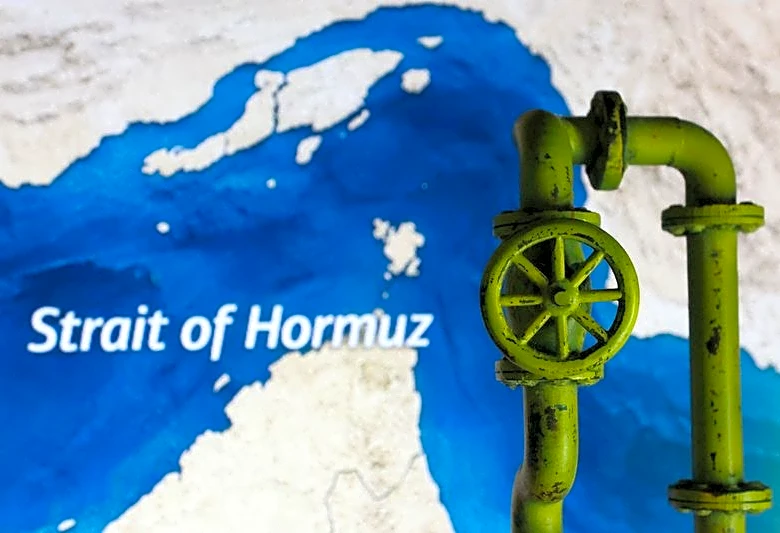
The failure to reach an agreement has significant implications for regional stability and global oil markets. The Strait of Hormuz is a critical chokepoint for oil transportation, and its closure has disrupted global oil supplies. The continuation of hostilities could further destabilize the Middle East, affecting international relations and economic conditions. The U.S. aims to prevent Iran from developing nuclear weapons, a goal that remains unachieved, potentially leading to increased tensions and military actions. The outcome of these talks could influence future diplomatic efforts and the geopolitical landscape in the region.
What's Next?
The immediate future remains uncertain, with the possibility of resumed hostilities in the Middle East. The U.S. has left a final offer on the table, awaiting Iran's response. The Trump administration may consider alternative strategies, including increased sanctions or military options, to achieve its objectives. The international community will likely monitor the situation closely, as any escalation could have widespread consequences. The U.S. and its allies may also seek to engage other regional players to mediate and find a peaceful resolution.