



What's Happening?
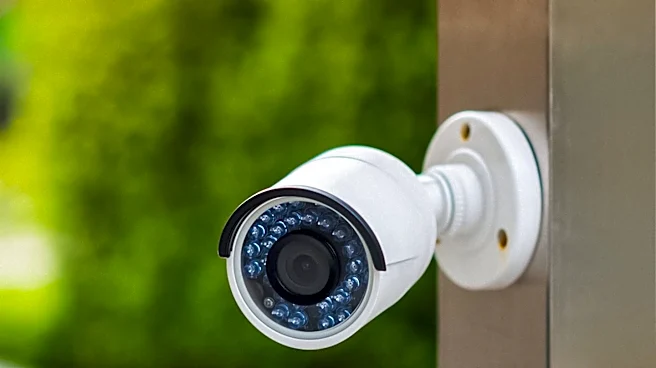
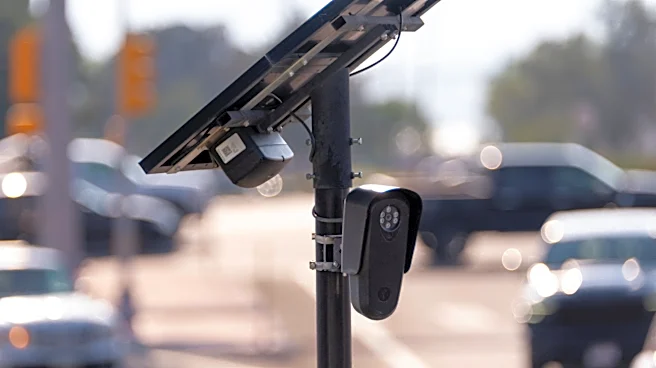
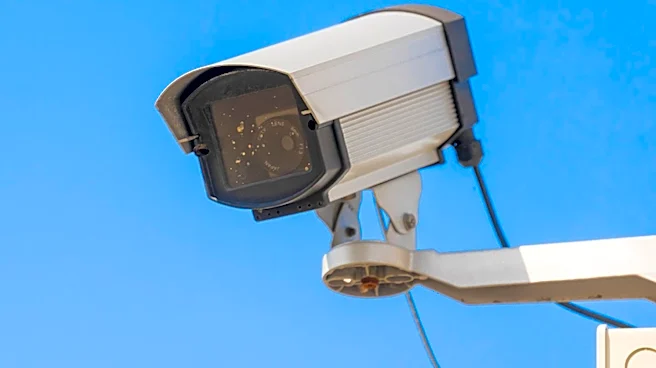
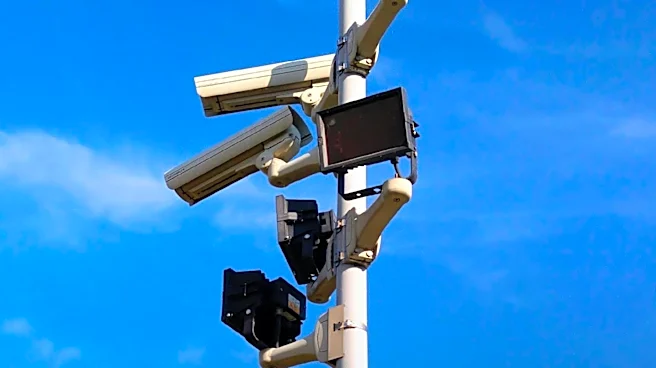
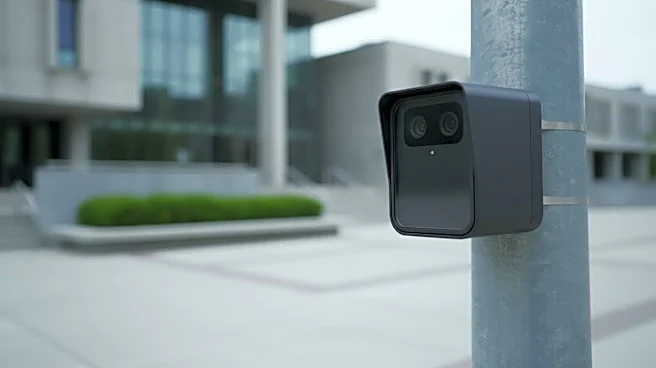
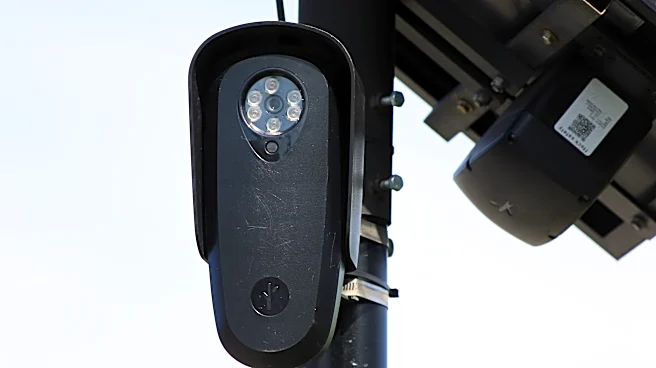
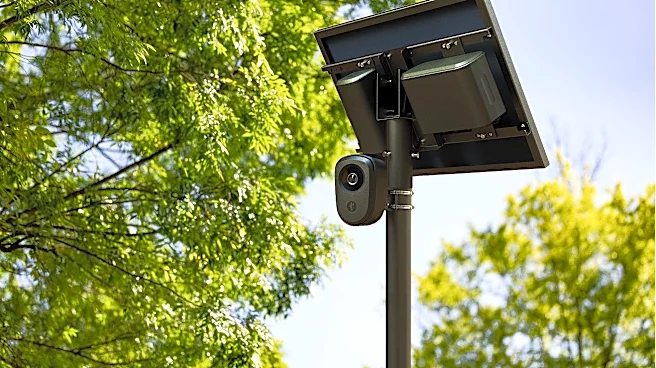
Protesters gathered outside Renton City Hall to demand the cancellation of the city's contract with Flock Safety, a company that provides automated license plate reader (ALPR) cameras. Although the Flock cameras have been turned off since May, and the city council
voted weeks ago to cover them, protesters noted that the cameras remained uncovered on Monday night. Branden Conley, an ALPR camera protester, stated that activists have been consistently pushing for these boundaries. Another protester, Alice Lockridge, emphasized the importance of considering individual and neighbor rights. Ashley Fredan, who works in abortion care, expressed concern that the cameras could be used to track patients seeking care. During the Renton City Council meeting, a public commenter questioned why the city continues to entertain the idea of mass surveillance. The Renton Police Department, however, maintains that its ALPR program, which includes Flock Falcon cameras, Axon in-patrol car readers, and Genetec Camera systems, complies with Washington State Senate Bill 6002 and all applicable state laws. Police Chief John Schuldt has previously stated that the ALPR program balances public safety with individual privacy and serves as an effective investigative tool.
Why It's Important?
The ongoing protests in Renton highlight a significant national debate regarding privacy rights versus public safety in the context of surveillance technology. The concerns raised by protesters, particularly regarding the potential misuse of ALPR data for tracking individuals seeking sensitive services like abortion care, underscore the broader implications for civil liberties. This situation reflects a growing tension between law enforcement's desire for tools to combat crime and citizens' demands for protection against mass surveillance. The fact that the cameras remain uncovered despite a city council vote to do so further fuels public distrust and raises questions about the implementation of local government decisions. The Renton Police Department's assertion of compliance with state laws, while emphasizing the cameras' effectiveness in identifying stolen vehicles, locating missing persons, and apprehending criminals, illustrates the differing perspectives on the utility and ethical boundaries of such technology. This local dispute mirrors similar discussions occurring across the U.S. as communities grapple with integrating advanced surveillance systems while safeguarding individual freedoms.
What's Next?
The Renton City Council will likely face continued pressure from protesters to fully address their demands, including the physical covering of the Flock cameras and the complete termination of the contract. The ongoing public discourse during council meetings suggests that this issue will remain a prominent topic in local governance. The city council may need to re-evaluate its approach to implementing its vote to cover the cameras and potentially reconsider the long-term viability of its contract with Flock Safety in light of persistent community opposition. The Renton Police Department will likely continue to defend the use of ALPR technology, citing its effectiveness in crime prevention and investigation, and emphasizing its adherence to state regulations. This situation could also prompt other municipalities in Washington State and beyond to review their own ALPR policies and contracts, especially as privacy concerns become more vocalized. The outcome in Renton could set a precedent for how other cities balance public safety needs with residents' privacy expectations regarding surveillance technologies.
Beyond the Headlines
The Renton Flock camera controversy delves into the deeper societal implications of pervasive surveillance technology and its potential for mission creep. While law enforcement champions ALPRs as vital tools for public safety, the concerns about tracking individuals, particularly those seeking abortion care, expose the ethical dilemmas inherent in such systems. This situation highlights the challenge of defining the appropriate scope and limits of government surveillance in a democratic society. The debate extends beyond mere technical functionality to fundamental questions about trust between citizens and their government, and the potential for data collected for one purpose to be repurposed for another, potentially infringing on constitutional rights. The lack of physical covering on the cameras, despite a council vote, also points to potential disconnects between policy decisions and their practical implementation, further eroding public confidence. This local issue in Renton serves as a microcosm of a national struggle to reconcile technological advancements with the protection of individual liberties and privacy in an increasingly data-driven world.