



What's Happening?
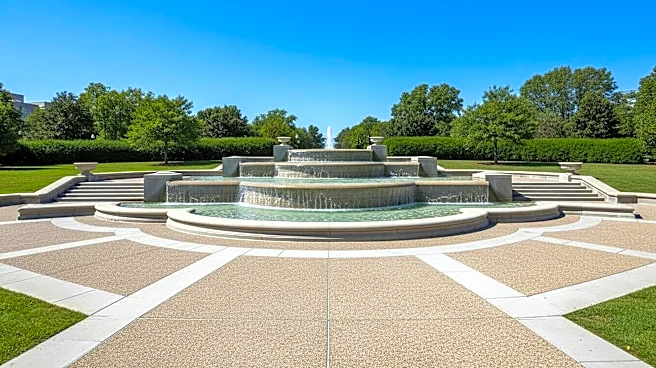
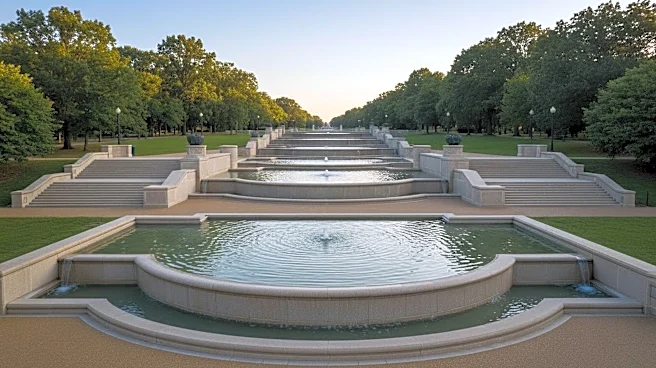
Defense Secretary Pete Hegseth held a ceremony at Malcolm X Park, also known as Meridian Hill Park, in Washington D.C. to honor National Guard members and celebrate the restoration of the park's fountains. The event was attended by acting Attorney General
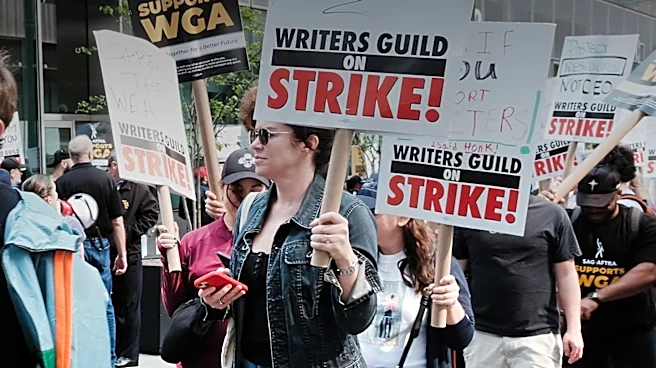
Todd Blanche, White House Deputy Chief of Staff Stephen Miller, and approximately 200 National Guard members. However, the ceremony was disrupted by protesters who chanted slogans such as 'Guard, go home!' and 'Say it loud, say it clear: Immigrants are welcome here!' The protests were a response to the presence of the National Guard in the city, which some view as unnecessary. Hegseth addressed the protesters, describing their actions as 'the sound of ingrates' and emphasized the importance of law and order. The event also included a moment of silence for two National Guard members who were shot in November, resulting in the death of Specialist Sarah Beckstrom and serious injury to Air Force Staff Sgt. Andrew Wolfe.
Why It's Important?
The protests highlight ongoing tensions regarding the deployment of National Guard troops in urban areas, particularly in Washington D.C. The presence of the National Guard has been a contentious issue, with some residents and activists arguing that it militarizes the city and is not effective in reducing crime. A recent study by a D.C. think tank found that while the National Guard's presence did not impact violent crime rates, it did reduce property crime in tourist areas. This event underscores the broader debate about the role of military forces in domestic law enforcement and the balance between security and civil liberties. The ceremony and subsequent protests also reflect the polarized views on immigration and law enforcement in the U.S., with significant implications for public policy and community relations.
What's Next?
The protests at the ceremony may prompt further discussions among policymakers and community leaders about the future role of the National Guard in Washington D.C. and other cities. There could be increased pressure on local and federal officials to reassess the deployment strategies and consider alternative approaches to crime reduction and public safety. Additionally, the event may lead to more public demonstrations and advocacy efforts by groups opposing the militarization of urban areas. The reactions from political leaders and the public will likely influence future decisions regarding the National Guard's involvement in domestic affairs.