



What's Happening?
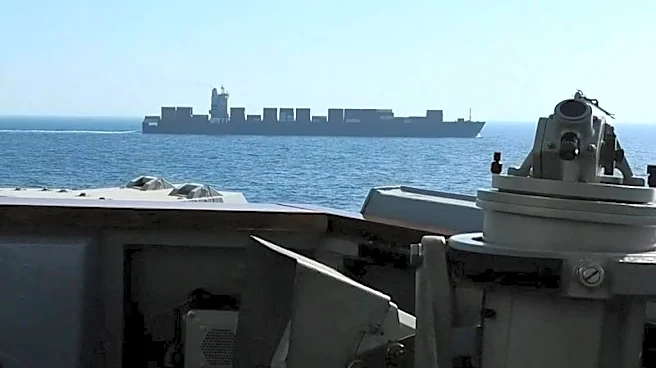
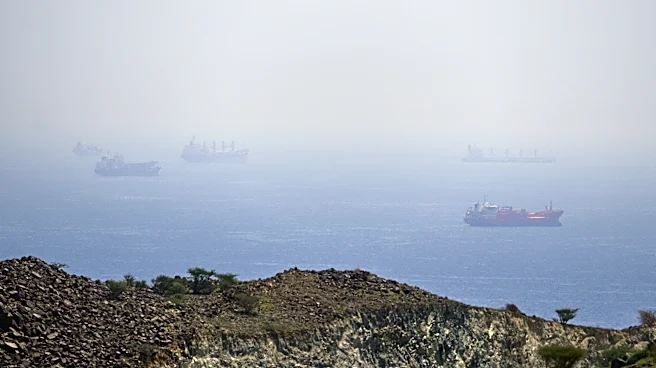
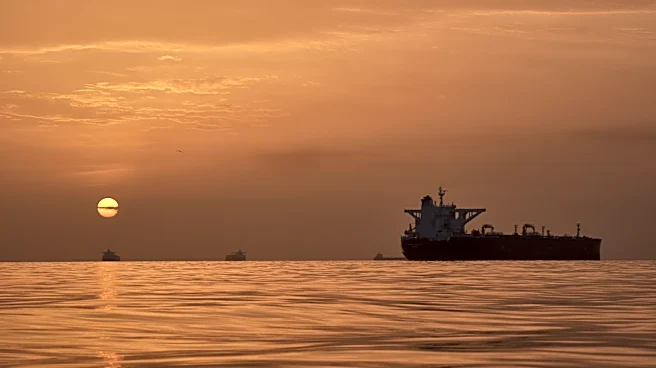
The United States and Iran are facing heightened tensions as conflict around the Strait of Hormuz raises doubts about upcoming peace talks. Over the weekend, the U.S. seized an Iranian-flagged cargo vessel, accusing it of attempting to evade a blockade
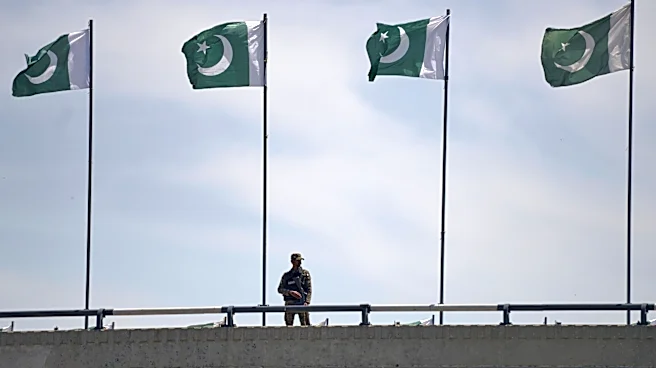
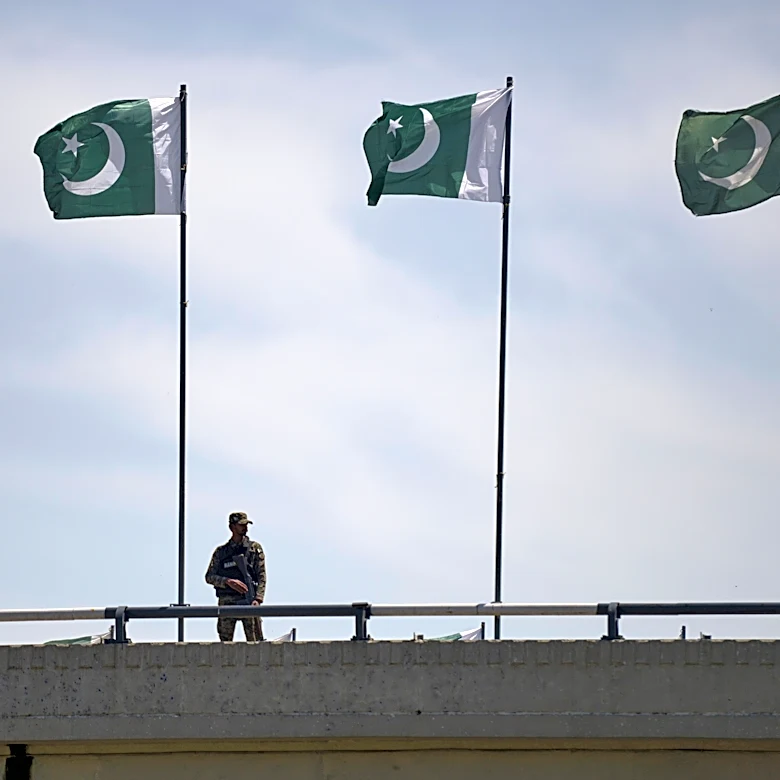
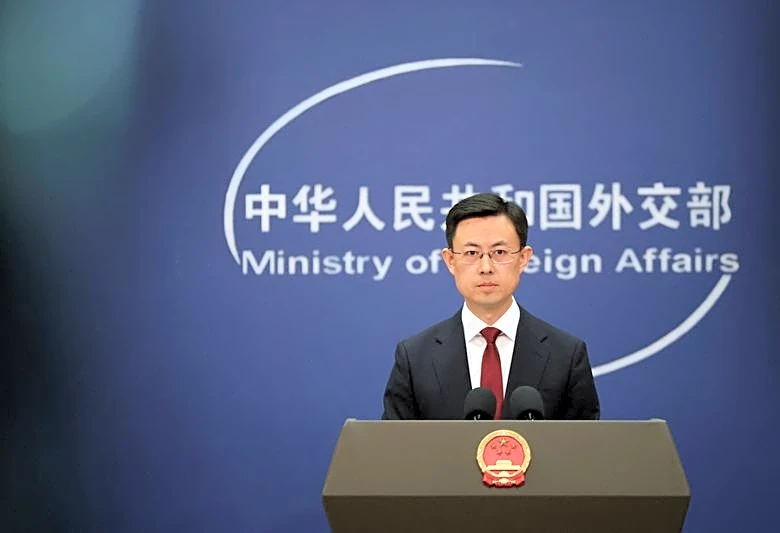
of Iranian ports. In response, Iran's military command has vowed retaliation, and Iranian Foreign Minister Abbas Aragchi criticized the U.S. actions as undermining the planned negotiations. The ceasefire between the two nations is set to expire midweek, and Pakistan is actively engaging with both countries to facilitate the talks. President Trump announced that U.S. negotiators would travel to Pakistan, but the situation remains uncertain as Iran has not confirmed its participation.
Why It's Important?
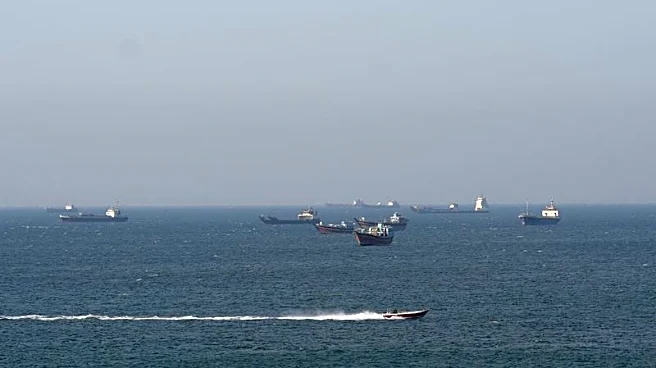
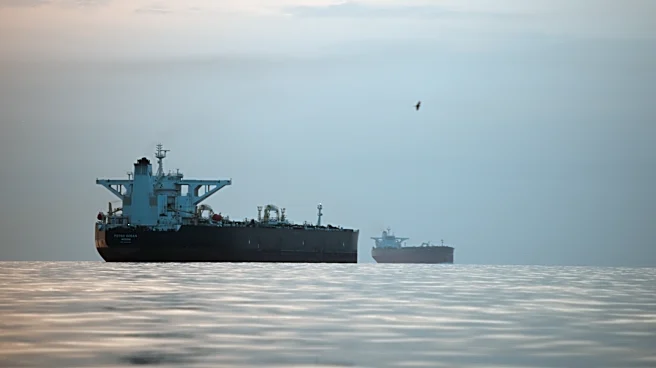
The conflict in the Strait of Hormuz is significant due to its impact on global oil trade, as the strait is a critical passage for one-fifth of the world's oil supply. The U.S. blockade and Iran's control over the strait have led to a surge in oil prices, exacerbating a global energy crisis. The tensions also pose a threat to regional stability, with potential repercussions for international relations and economic conditions. The outcome of the peace talks, if they proceed, could influence future U.S.-Iran relations and the broader geopolitical landscape.
What's Next?
If the peace talks proceed, they could lead to a de-escalation of tensions and a potential resolution to the conflict. However, continued military actions and blockades could further strain relations and prolong the crisis. The international community, including major oil-importing nations, will be closely monitoring the situation, as any disruption in oil supply could have widespread economic implications. Diplomatic efforts by Pakistan and other stakeholders will be crucial in determining the next steps.