

What's Happening?
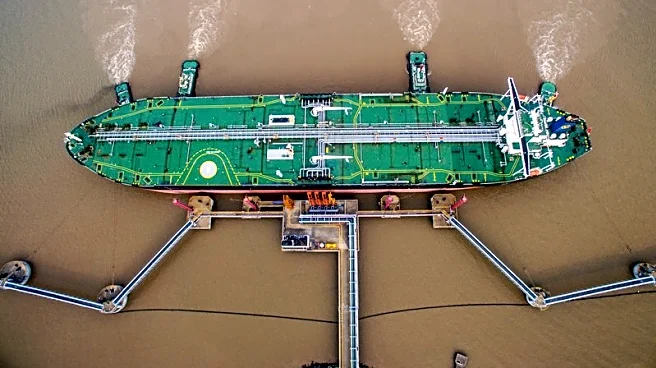
China is intensifying its energy investments in Iran and Latin America, focusing on oil, gas, and infrastructure projects. In Iran, China is a major buyer of crude oil, accounting for a significant portion of Iran's exports. The two countries have a 25-year
cooperation agreement to enhance trade and investment. In Latin America, China has invested heavily in oil fields and infrastructure, providing substantial financing to countries like Brazil, Venezuela, Ecuador, and Argentina. These efforts are part of China's strategy to diversify its energy supply and expand its influence in regions where Western investments are limited due to political risks.
Why It's Important?
China's growing energy ties with Iran and Latin America could shift global energy dynamics, affecting supply chains and geopolitical alliances. The U.S. has been urging China to reduce oil imports from adversaries and increase purchases from American sources. China's strategy may challenge U.S. influence in these regions and impact global oil markets. The investments also highlight China's broader economic ambitions and its role in shaping future energy landscapes, potentially affecting U.S. energy policies and market strategies.
What's Next?
China's continued investment in these regions may lead to further geopolitical tensions, especially with the U.S. monitoring China's energy alliances. The U.S. might respond with diplomatic or economic measures to counter China's influence. Additionally, China's focus on renewable energy could mitigate some global oil market volatility, but its deepening ties with oil-rich regions suggest a complex balancing act between traditional and renewable energy sources.