







What's Happening?
Germany's energy demand fell by 1.9% in the first half of the year due to high oil and gas prices, according to the Working Group on Energy Balances. Oil consumption dropped by 8%, with significant declines in diesel and light heating oil usage. Despite
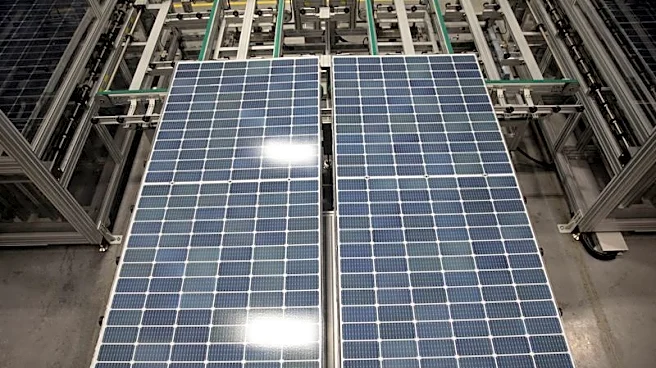
efforts to transition to renewable energy, coal consumption rose by 7%, and natural gas consumption increased by 1.3%. Wind and solar energy accounted for 22.2% of overall energy consumption, up from 20.9% a year earlier. Germany's energy transition faces challenges, including transmission capacity limits and the need for significant grid expansion investment.
Why It's Important?
Germany's energy demand decline highlights the impact of high energy prices on consumption patterns and the challenges of transitioning to renewable energy. The increase in coal consumption underscores the difficulties in reducing reliance on fossil fuels, even in countries with ambitious climate goals. For the U.S., Germany's experience offers insights into the complexities of energy transition and the importance of balancing environmental goals with economic realities. The situation also emphasizes the need for investment in infrastructure to support renewable energy integration.
What's Next?
Germany's energy transition will require continued investment in renewable energy infrastructure and grid expansion to overcome current challenges. The country may need to explore policy measures to incentivize energy efficiency and reduce reliance on fossil fuels. The U.S. and other countries can learn from Germany's experience as they pursue their own energy transition goals. Collaboration on technology and policy solutions could accelerate progress towards a sustainable energy future.