





What's Happening?
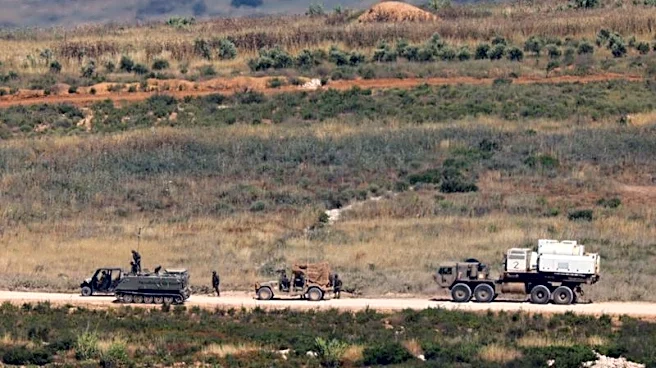
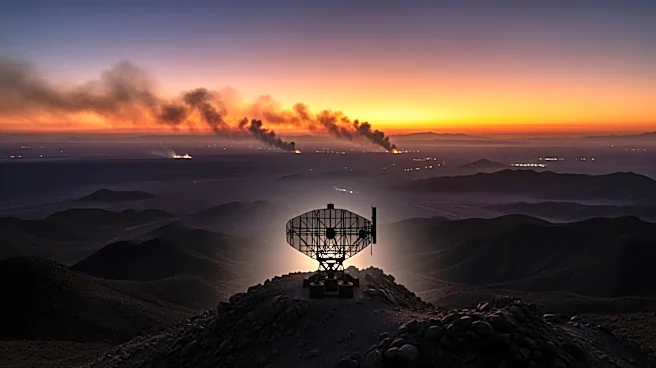
The ongoing military operations in the Middle East involving the United States, Israel, and Iran have significantly disrupted the global oil and gas supply chain. The conflict has led to an imbalance in energy supply and demand, which is expected to persist
even after the cessation of hostilities. The normalization of production levels in the Persian Gulf countries is anticipated to take several months, with Saudi Arabia facing particular challenges due to damaged infrastructure. The United Arab Emirates and Kuwait are better positioned for a quicker recovery, while Iraq and Iran may experience longer delays due to political and structural issues. This disruption is expected to maintain pressure on energy prices globally.
Why It's Important?
The prolonged disruption in the Middle East's energy production has significant implications for global markets. The delay in returning to pre-crisis production levels could lead to sustained high energy prices, impacting inflation and economic growth worldwide. Countries heavily reliant on Middle Eastern oil and gas may face increased costs, affecting industries and consumers. The situation underscores the vulnerability of global energy markets to geopolitical tensions and highlights the need for diversified energy sources and strategies to mitigate such risks.
What's Next?
As the conflict continues, stakeholders in the energy sector will need to monitor developments closely. Companies may need to adjust their supply chains and explore alternative energy sources to mitigate the impact of prolonged disruptions. Governments might consider strategic reserves and policies to stabilize markets. The situation also presents an opportunity for renewable energy investments as countries seek to reduce dependency on volatile regions.