





What's Happening?
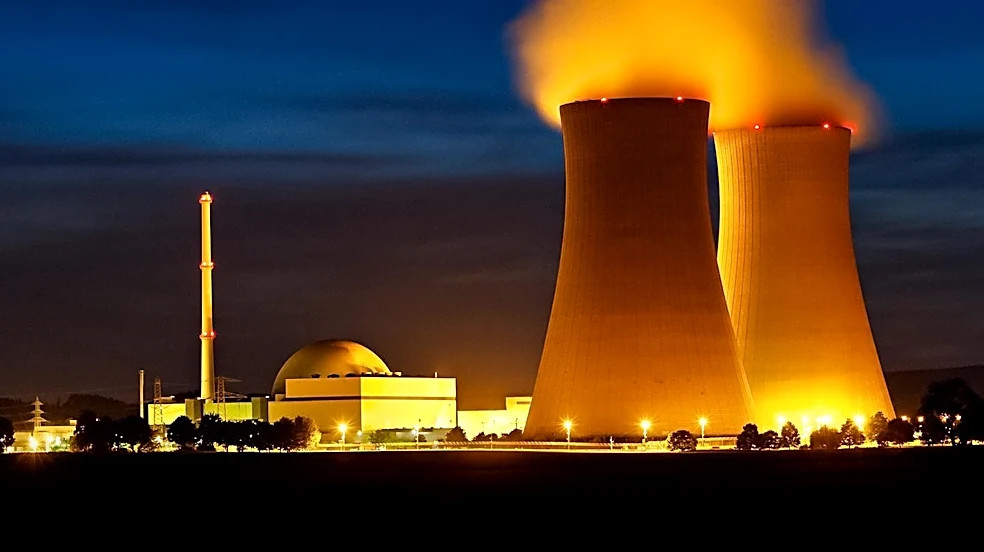
TerraPower, a company backed by Bill Gates, has deployed a full-scale digital twin of its Natrium reactor at the Kemmerer construction site in the U.S. This system, built by Curtiss-Wright, provides technicians with hands-on access to the plant's controls
well in advance of the reactor becoming operational in 2030. The digital twin, powered by a software engine called 3KEYMASTER, models real-time physics, including fluid circulation, temperature shifts, and core behavior during unexpected events. This allows operators to rehearse emergency drills, test automated safety actions, and accumulate the necessary hours for federal operating licenses. The system also serves as a testbed for engineers, enabling them to identify software bugs and verify hardware responses for the plant's Distributed Control Systems and automated Reactor Protection System, which are also being built by Curtiss-Wright.
Why It's Important?
The deployment of this digital twin is a critical step for the future of nuclear energy in the U.S., particularly for non-traditional reactor designs like Natrium. Early and comprehensive operator training is essential for the safe and efficient operation of advanced nuclear facilities. By allowing operators to master complex liquid metal hydraulics and thermal storage systems in a simulated environment, the technology significantly reduces risks associated with new nuclear plant startups. This initiative also highlights the crucial role of companies like Curtiss-Wright in providing advanced engineering solutions for the energy sector. The success of such training programs can accelerate the deployment of next-generation nuclear reactors, contributing to clean energy goals and enhancing energy independence for the U.S.
What's Next?
The Natrium reactor is slated to go live in 2030, and the ongoing training and testing using the digital twin will be crucial in the lead-up to its operational phase. Operators will continue to log hours and refine their skills, ensuring they are fully prepared for the plant's unique design, which uses liquid metal sodium for cooling and incorporates a molten salt storage system for flexible power output. Engineers will also continue to use the simulator to fine-tune the plant's control systems and identify any potential issues before fuel loading. The successful implementation and operation of the Natrium reactor could pave the way for wider adoption of advanced nuclear technologies, potentially influencing future energy policy and investment in the U.S.
Beyond the Headlines
This development signifies a broader trend in critical infrastructure projects: the increasing reliance on digital twins and advanced simulation technologies for training, testing, and risk mitigation. For the nuclear industry, which operates under stringent safety regulations, such technologies are transformative, allowing for comprehensive preparation without the risks or costs associated with physical prototypes. The Natrium reactor's innovative design, separating power generation from nuclear heat production and using liquid metal sodium, represents a significant leap in nuclear technology. Its ability to boost electrical output to 500 megawatts for over five hours without changing the core's baseline output addresses the intermittency challenges of renewable energy sources, positioning it as a potential game-changer for grid stability and clean energy integration. This approach could redefine how future power plants are designed, built, and operated, emphasizing safety, efficiency, and adaptability.