





What's Happening?
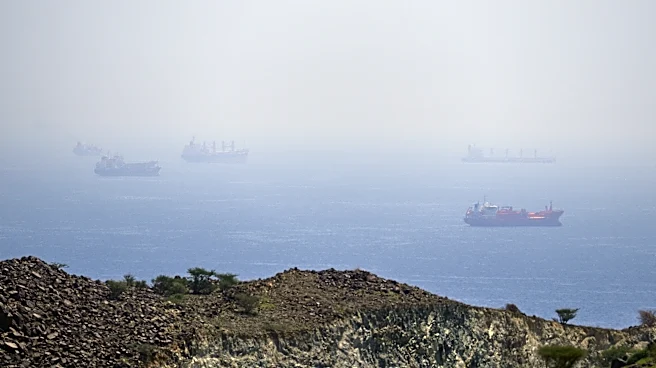
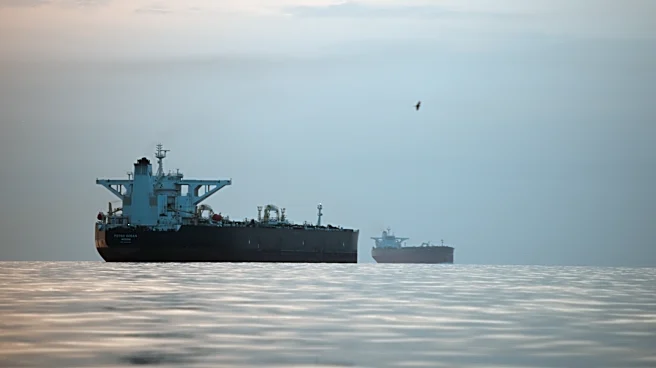
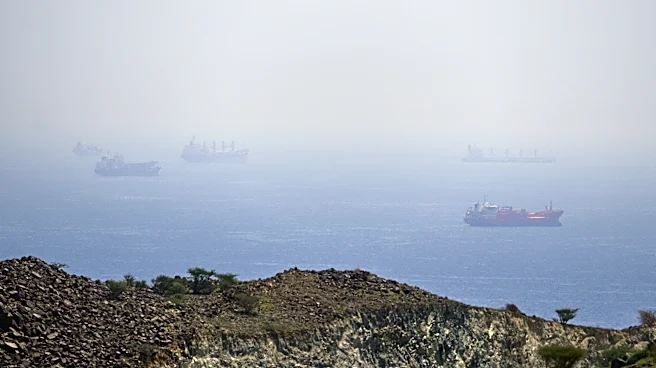
Iran's Islamic Revolutionary Guard Corps (IRGC) has seized two ships in the Strait of Hormuz, identified as the Epaminondas and MSC Francesca, following reports of attacks on vessels in the strategic waterway. This action comes after President Trump extended
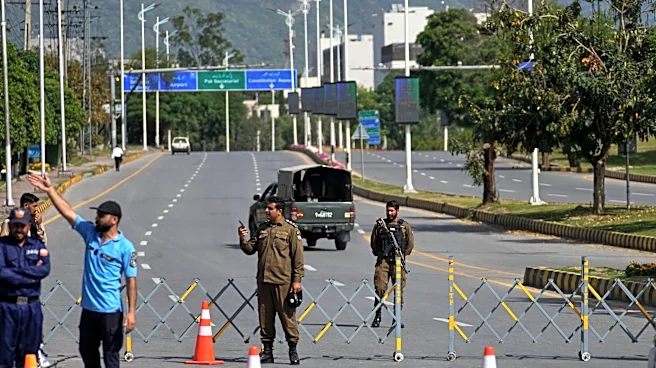
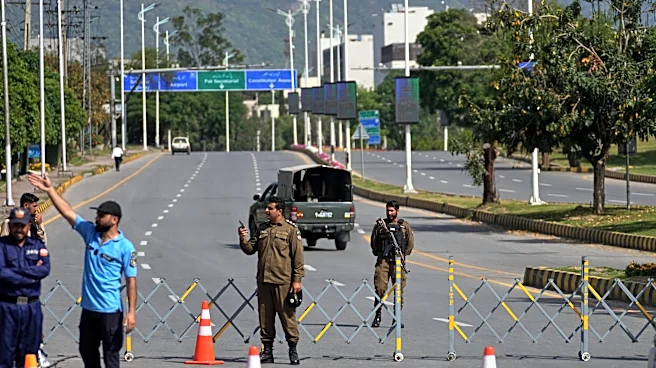
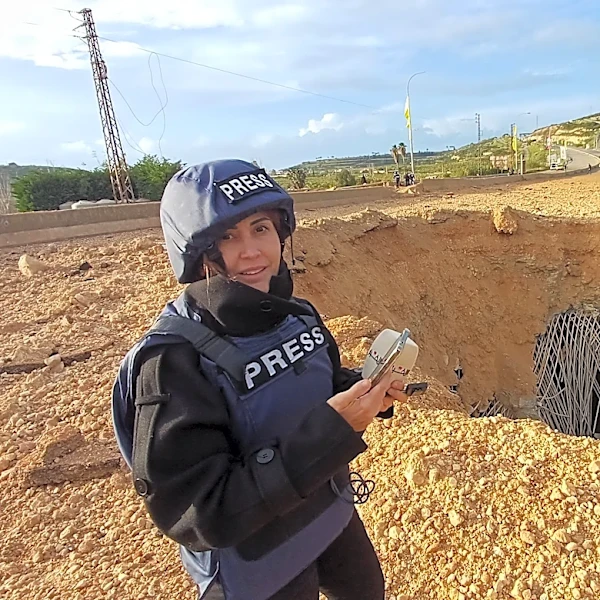
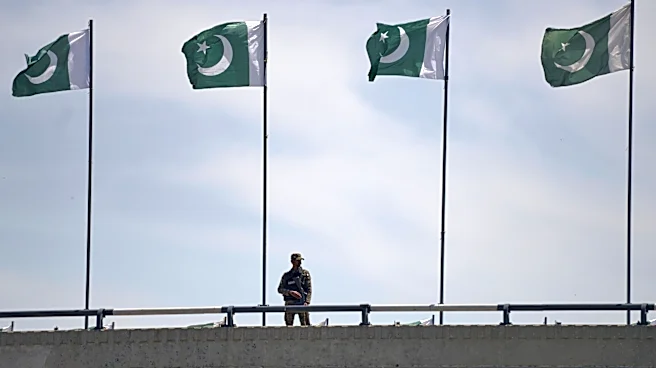
a ceasefire with Iran at Pakistan's request, while the U.S. military continues to enforce a blockade of Iranian ports. The IRGC warned that disrupting order in the Strait of Hormuz is a 'red line.' The situation remains tense as the U.S. and Iran are expected to engage in talks in Islamabad, although no timeline has been set for these discussions. Meanwhile, regional tensions are heightened with ongoing conflicts involving Israel and Hezbollah in Lebanon.
Why It's Important?
The seizure of ships in the Strait of Hormuz underscores the fragile security environment in a critical global oil transit route. This development could exacerbate tensions between Iran and the U.S., potentially impacting global oil markets and energy security. The extended ceasefire by President Trump indicates a willingness to pursue diplomatic solutions, yet the continued blockade and military presence highlight the complexity of achieving lasting peace. The situation also affects regional stability, with potential implications for U.S. foreign policy and international relations, particularly with countries involved in mediating the conflict.
What's Next?
The international community will closely monitor the situation as the ceasefire extension provides a window for potential diplomatic engagement. However, the risk of escalation remains if talks do not progress. The U.S. may continue to enforce its blockade, while Iran could respond with further maritime actions. Regional actors, including Israel and Lebanon, may also play a role in shaping the outcome of negotiations. The potential for renewed conflict could lead to increased military deployments and further economic sanctions, affecting global trade and energy supplies.