
What's Happening?
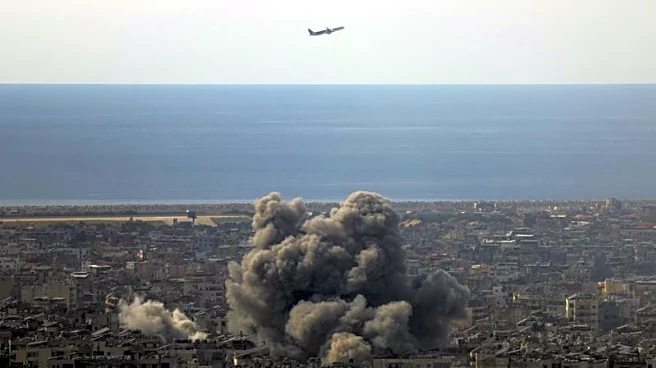
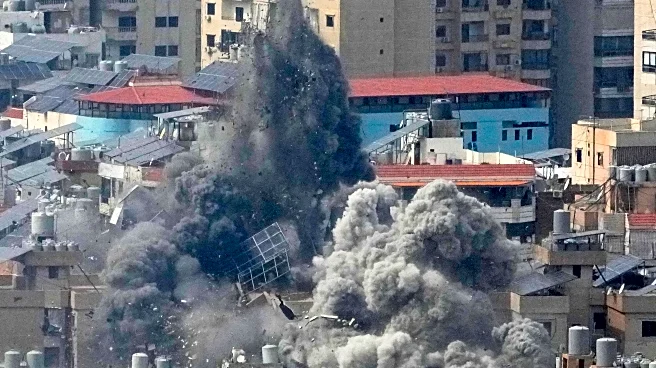
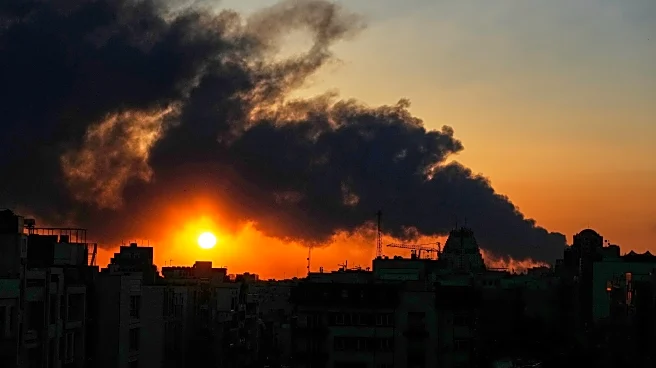
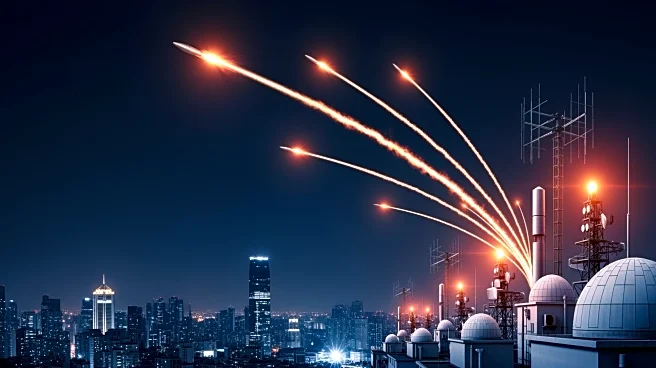
The conflict between the United States, Israel, and Iran has intensified, leading to significant military actions and humanitarian concerns. Israel has launched extensive strikes on Lebanon, targeting Hezbollah command centers, resulting in over 200 deaths
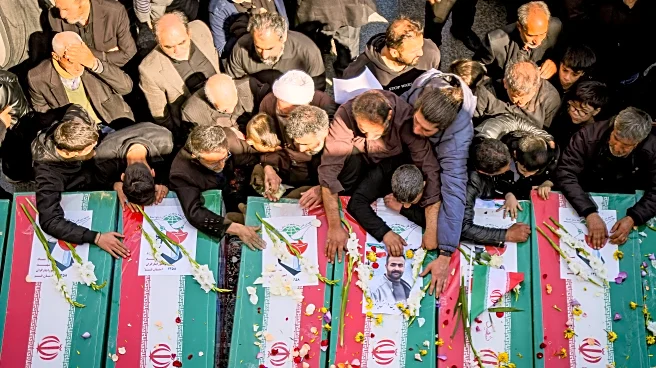
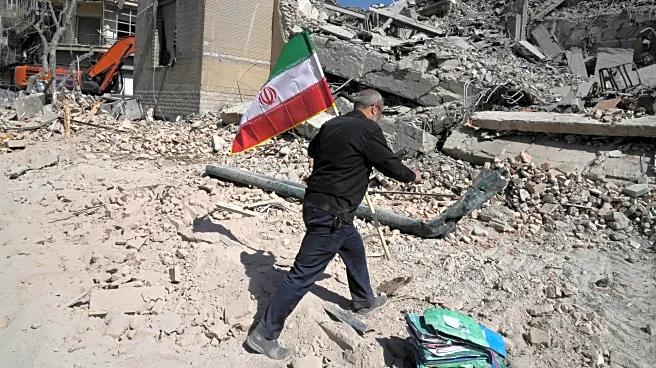
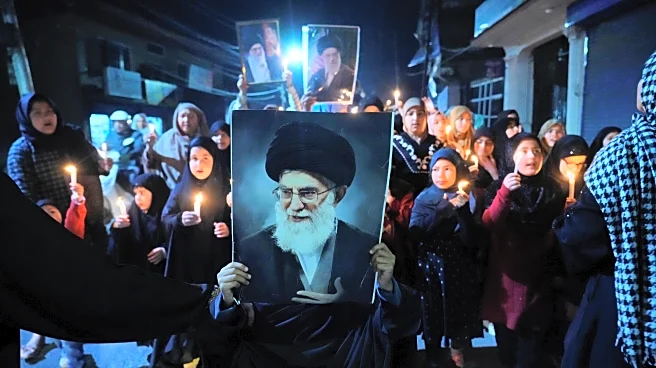
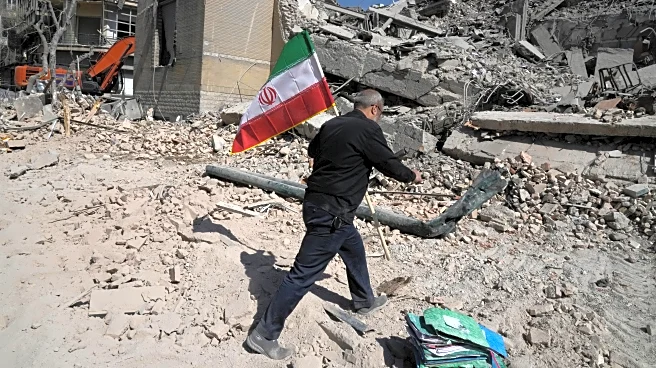
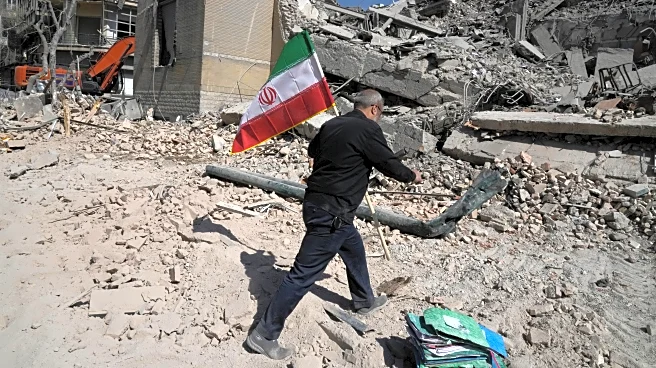
and nearly 800 injuries, according to Lebanese state media. The conflict has caused mass displacement, with the Norwegian Refugee Council estimating nearly half a million residents have been affected. The United Nations has expressed concern over the situation, highlighting the potential for the conflict to spiral out of control. In Iran, the US and Israel have targeted over 3,000 sites, with Iranian state media reporting more than 1,230 deaths. The situation in Iran is dire, with residents living in fear amid an internet blackout, limiting access to news and warnings.
Why It's Important?
This conflict has significant implications for regional stability and international relations. The humanitarian crisis in Lebanon and Iran highlights the severe impact on civilian populations, with large-scale displacement and casualties. The involvement of major powers like the US and Israel in the Middle East conflict could lead to broader geopolitical tensions, potentially drawing in other nations. The UN's call for diplomatic negotiations underscores the urgency of finding a peaceful resolution to prevent further escalation. The conflict also poses risks to global economic stability, as tensions in the Middle East can affect oil prices and international trade routes.
What's Next?
The continuation of military actions by the US and Israel suggests that the conflict may persist, with no clear timeline for resolution. The UN's plea for diplomatic negotiations may lead to international efforts to mediate and de-escalate the situation. However, the potential for retaliation by Iran and its allies remains a concern, particularly if European countries become involved. The humanitarian situation in Lebanon and Iran will likely require increased international aid and support to address the needs of displaced populations and those affected by the conflict.
Beyond the Headlines
The conflict raises ethical and legal questions regarding the conduct of military operations and the protection of civilians under international humanitarian law. The large-scale displacement and civilian casualties highlight the need for accountability and adherence to international norms. Additionally, the conflict may influence public opinion and political dynamics within the involved countries, potentially affecting future policy decisions and leadership. The long-term impact on regional alliances and power structures could reshape the geopolitical landscape in the Middle East.