
What's Happening?
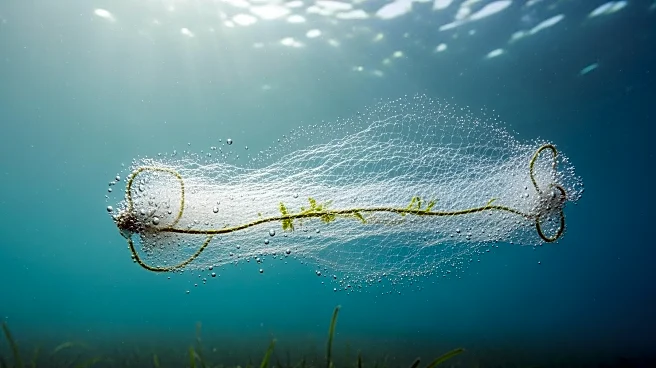
NaturePlast, a French company, is leveraging advanced artificial intelligence (AI) tools to create biodegradable fishing nets, aiming to address the significant issue of plastic waste in oceans. These
nets are designed to degrade naturally, reducing the environmental impact of discarded fishing gear, which is a major threat to marine life. The initiative is supported by the European Union's DiMAT digital innovation hub, which provides high-tech computing to model product effectiveness, thereby accelerating development and minimizing waste. The project underscores the potential of digitalization to transform traditional industries by making them more sustainable and competitive.
Why It's Important?
The development of biodegradable fishing nets is crucial in mitigating the environmental damage caused by plastic waste, particularly abandoned fishing gear, which poses a severe threat to marine ecosystems. By integrating AI into the production process, NaturePlast is setting a precedent for how technology can be used to create sustainable solutions in traditional sectors. This innovation not only benefits the environment but also offers economic advantages by potentially reducing the costs associated with waste management and environmental cleanup. Moreover, it aligns with global efforts to transition towards a circular economy, where resources are reused and recycled, minimizing waste.
What's Next?
The success of NaturePlast's biodegradable nets could inspire similar innovations across various industries, encouraging the adoption of sustainable practices. As these nets are introduced to the market, there will likely be a push for regulatory support to promote their use over traditional plastic nets. Additionally, the project may lead to increased investment in digital innovation hubs like DiMAT, fostering further advancements in sustainable technologies. Stakeholders, including environmental organizations and policymakers, may advocate for broader implementation of such technologies to enhance environmental protection efforts.
Beyond the Headlines
While the development of biodegradable nets is a positive step, it also highlights the ongoing challenges in addressing plastic pollution. Critics, such as the Plastic Pollution Coalition, caution that bioplastics, although less harmful than conventional plastics, still have environmental drawbacks and may not degrade as easily as intended. This underscores the need for comprehensive strategies that include improved waste management practices and consumer education to reduce reliance on single-use products. The initiative also raises questions about the scalability of such technologies and their potential impact on global supply chains.