






What's Happening?
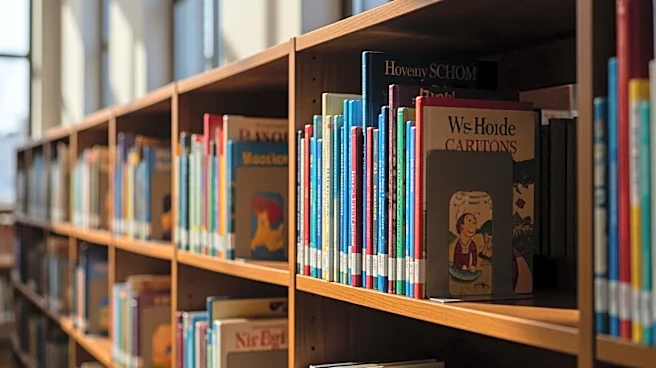
The Rutherford County Library System's board of directors has decided to retain 2,712 children's books that were previously up for reconsideration. This decision was made during a meeting on February 2, 2026, where the board accepted the library director's
recommendation. However, the board has promised to revisit some titles from the list in future meetings. This decision comes amid a broader national debate on book censorship, with various libraries and educational institutions facing challenges over the content of their collections. In a related development, U.S. Representative Nancy Mace has sent a letter to the Institute of Museum and Library Services, urging a pause in federal funding to the Charleston County Public Library over concerns about 'lewd material' being accessible to children.
Why It's Important?
The decision by the Rutherford County Library Board is significant as it reflects the ongoing national discourse on censorship and the role of libraries in providing access to diverse materials. Libraries are increasingly becoming battlegrounds for debates over free speech and the First Amendment, with some groups advocating for the removal of books they deem inappropriate. The retention of these books by the Rutherford County Library Board underscores the importance of libraries as defenders of intellectual freedom. The actions of Rep. Nancy Mace highlight the political dimensions of this issue, as federal funding for libraries could be influenced by the content they choose to make available. This situation affects not only the libraries themselves but also the communities they serve, as access to a wide range of materials is crucial for education and cultural enrichment.
What's Next?
The Rutherford County Library Board's decision to reconsider some titles in the future suggests that the debate over library content is far from over. As libraries continue to face pressure from various groups, they may need to develop more robust policies to address challenges to their collections. The involvement of federal representatives like Rep. Mace indicates that this issue could escalate to higher levels of government, potentially affecting national library funding policies. Libraries and educational institutions may need to engage more actively with their communities to advocate for the importance of diverse collections and to resist censorship efforts. The outcome of these debates could have long-term implications for how libraries operate and the types of materials they can offer.
Beyond the Headlines
The broader implications of this situation include potential shifts in how libraries are perceived and utilized in society. As institutions that traditionally champion free access to information, libraries may find themselves needing to navigate complex legal and ethical challenges related to censorship. The cultural impact of these debates could influence public perceptions of libraries and their role in promoting literacy and education. Additionally, the legal landscape surrounding First Amendment rights and censorship may evolve as more cases are brought to court, potentially setting new precedents for how libraries manage their collections.