
What's Happening?
The Environmental Protection Agency (EPA), under Administrator Lee Zeldin, has announced a relaxation of normal summertime gasoline requirements, allowing for the early sale of wintertime fuel blends.
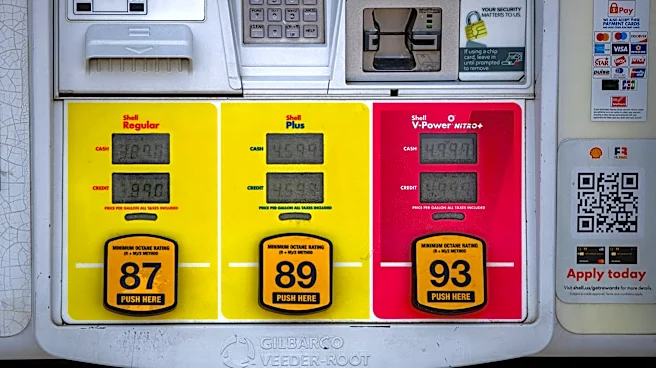
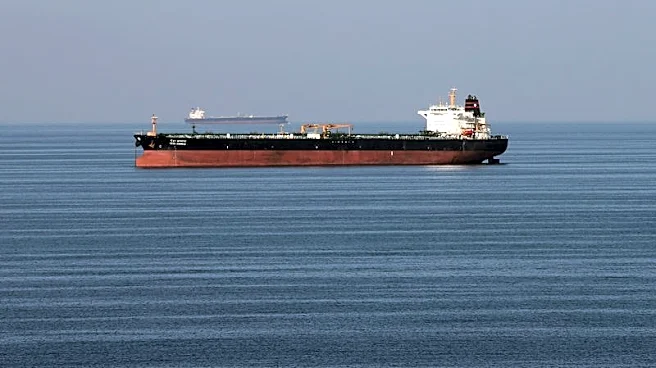
This change, which typically occurs in mid-September, will permit the sale of gasoline blended with 10% ethanol starting September 1. The administration states that this measure is intended to boost the domestic gasoline supply by hundreds of thousands of barrels per day, effectively ending the summer-blend gasoline requirement ahead of schedule. According to EPA Administrator Lee Zeldin, President Trump has prioritized ensuring American families have access to affordable gasoline and energy. This move comes as U.S. average gasoline prices have remained above $4 a gallon since mid-July, a price point approximately $1 higher per gallon than at the start of the Iran war, marking the highest prices for this time of year. The Department of Energy has also revised its monthly outlook, forecasting continued high prices through the end of the year due to the ongoing conflict and the failure to reopen the Strait of Hormuz.
Why It's Important?
This policy shift by the EPA is significant for American consumers and the energy market. By allowing the early sale of winter-blend gasoline, which is generally cheaper to produce than summer-blend, the administration aims to alleviate the financial burden of high fuel prices on American families. The summer-blend gasoline requires more expensive blending ingredients and is mandated in many parts of the country to minimize air pollution during warmer months. The waiver could lead to a noticeable reduction in prices at the pump, providing immediate economic relief. However, the impact on fuel prices may vary depending on how quickly individual states, some of which have their own gasoline requirements, adapt to the federal policy change. This action also highlights the administration's proactive approach to managing energy costs amidst geopolitical tensions, particularly the war in Iran, which has significantly impacted global oil supplies and prices. The decision underscores a balance between environmental regulations and economic pressures, prioritizing affordability in the face of rising energy costs.
What's Next?
The immediate next step involves the implementation of the waiver, allowing refiners and distributors to begin selling winter-blend gasoline blended with 10% ethanol starting September 1. The effectiveness of this measure in significantly lowering fuel prices will depend on several factors, including the speed at which states adopt the change and the overall market response. Consumers can anticipate potential price reductions at the pump in the coming weeks, though the extent of these reductions may vary regionally. The Department of Energy's forecast of continued high prices through the end of the year suggests that while this waiver may offer some relief, it might not entirely offset the broader market pressures. Further actions from the administration to address fuel costs could include additional waivers or policy adjustments, especially if the conflict in Iran persists and continues to impact global oil supplies. The long-term implications for environmental regulations, particularly regarding air quality, will also be a point of observation as the dirtier-burning winter fuel is introduced earlier than usual.
Beyond the Headlines
The EPA's decision to relax summertime gasoline requirements carries broader implications beyond immediate price relief. Environmentally, the early introduction of dirtier-burning winter-blend fuel could lead to increased air pollution in certain regions, potentially impacting public health and environmental quality. This move highlights the ongoing tension between economic imperatives and environmental protection, especially during periods of crisis. Politically, it demonstrates the administration's willingness to leverage regulatory flexibility to address consumer concerns, potentially setting a precedent for future responses to economic pressures. The reliance on such waivers also raises questions about the long-term stability of fuel supply chains and the need for more sustainable energy solutions. Furthermore, the situation underscores the vulnerability of the U.S. economy to international conflicts and global oil market fluctuations, emphasizing the strategic importance of energy independence and diversification. The public's reaction to both the price changes and potential environmental impacts will be crucial in shaping future policy decisions.