







What's Happening?
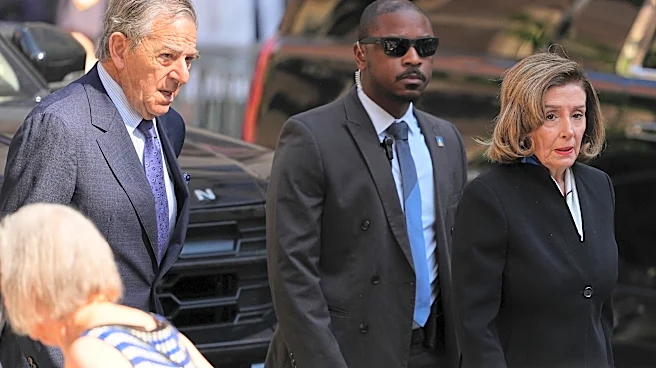
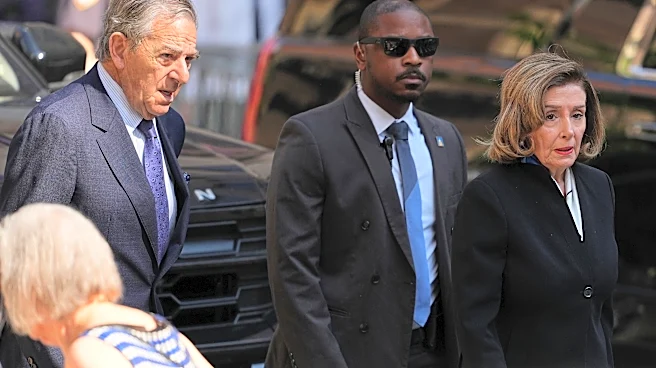
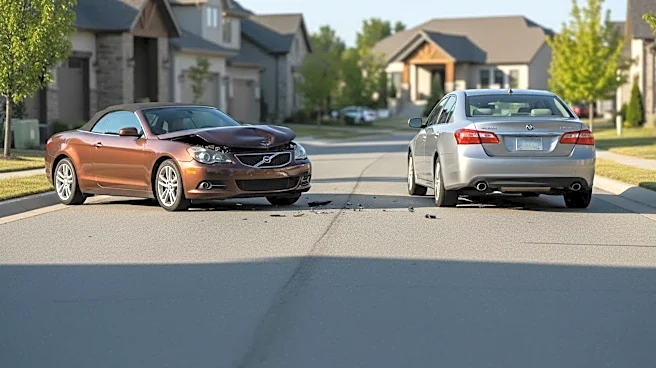
Paul Pelosi, husband of former House Speaker Nancy Pelosi, is facing a hit-and-run charge following an incident in Yountville, California. According to the Napa County Sheriff's Office, the incident occurred on Friday around 2:30 p.m. when a brown convertible
driven by Pelosi struck a parked, unoccupied vehicle, causing significant damage. A witness reported the incident to 911, noting that the driver briefly stopped before driving away. Deputies later found Pelosi's vehicle partially blocking a road, with damage consistent with the hit-and-run. Although Pelosi admitted to hitting something, he claimed he was unaware of what it was and continued driving until his car became disabled. The sheriff's office stated that Pelosi was not arrested, as this is common for such misdemeanors. A DMV re-evaluation referral is being submitted due to Pelosi's age. Tests showed no signs of drug or alcohol influence.
Why It's Important?
This incident involving Paul Pelosi highlights issues related to elderly drivers and the legal processes surrounding misdemeanor traffic offenses. The decision not to arrest Pelosi, despite the hit-and-run charge, raises questions about the consistency of law enforcement practices in similar cases. Additionally, the submission of a DMV re-evaluation referral underscores the challenges and considerations in assessing the driving capabilities of elderly individuals. This case may prompt discussions on the adequacy of current policies and procedures for handling traffic incidents involving older drivers, potentially influencing future legislative or regulatory changes.
What's Next?
The Napa County Sheriff's Office will proceed with the DMV re-evaluation referral for Paul Pelosi, which could lead to further assessments of his driving capabilities. The outcome of this evaluation may affect his ability to retain his driver's license. Meanwhile, public and media scrutiny may continue, especially given Pelosi's previous legal issues related to driving under the influence. The incident may also lead to broader discussions on traffic safety and the legal treatment of similar cases, potentially influencing public policy or legislative initiatives aimed at improving road safety and accountability.