






What's Happening?
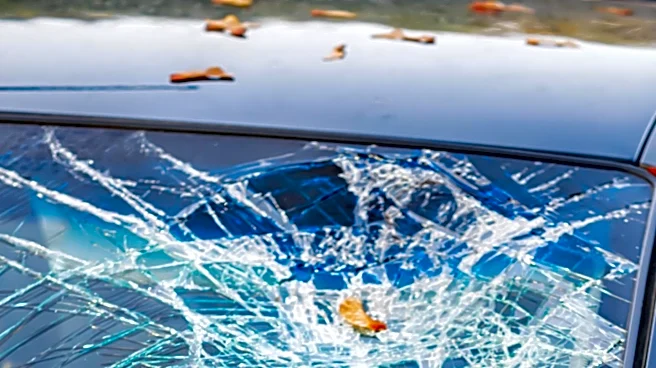
Des Moines Police successfully used license plate readers (LPRs) to identify and apprehend a suspect in a fatal hit-and-run incident. A 59-year-old woman was killed in Des Moines on Wednesday. Investigators initially had limited evidence, with only a blurry
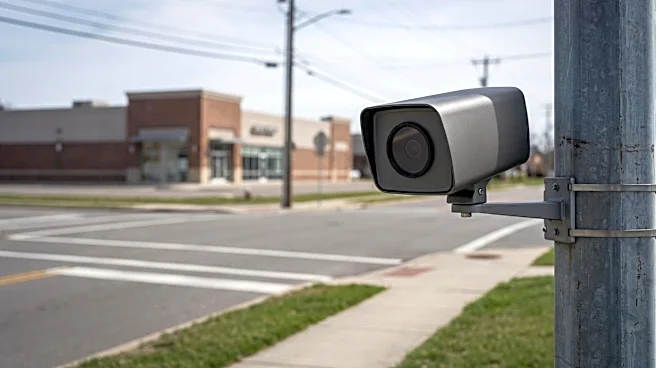
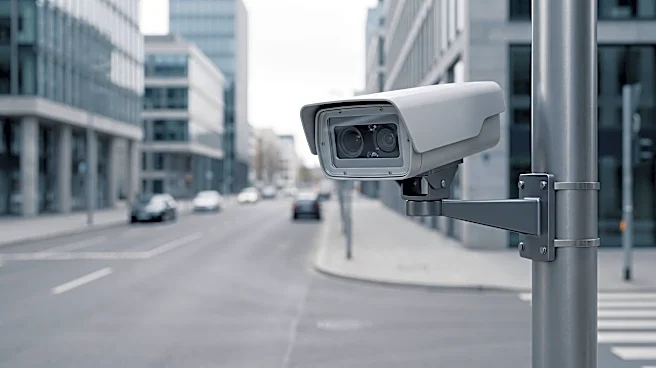
image of the vehicle's taillights from a home security camera. This image helped narrow down the vehicle type to a smaller SUV. A vehicle matching these characteristics was then spotted by a license plate reader a block away from the incident. According to Des Moines Police Sergeant Paul Parizek, this LPR hit was crucial in quickly identifying the car involved. Within approximately four hours of the crash, police arrested 57-year-old Michelle Evette Williams, charging her with leaving the scene of an accident causing death and not having insurance.
Why It's Important?
This case highlights the increasing reliance of law enforcement agencies on advanced surveillance technologies like license plate readers for crime solving. The rapid apprehension of a suspect in a fatal hit-and-run demonstrates the effectiveness of LPRs in situations where traditional evidence is scarce. For public safety, this technology can significantly reduce the time it takes to identify and arrest individuals involved in serious crimes, potentially preventing further incidents and bringing quicker justice to victims' families. However, it also brings to the forefront ongoing debates about privacy concerns and the balance between security and civil liberties, as the widespread use of LPRs allows for extensive tracking of vehicle movements. The Des Moines Police Department's policy of purging data after 30 days and requiring legitimate cause for data access aims to address some of these privacy concerns.
What's Next?
Michelle Evette Williams will face legal proceedings for the charges of leaving the scene of an accident causing death and not having insurance. The Des Moines Police Department will likely continue to utilize and potentially expand its network of license plate readers, given their demonstrated effectiveness in solving crimes. The department's policies regarding data retention and access will remain under scrutiny, and public discussions about the ethical implications of such surveillance technology are expected to continue. Other law enforcement agencies may look to Des Moines' success as a model for implementing or enhancing their own LPR programs, further integrating this technology into criminal investigations across the nation.
Beyond the Headlines
The successful use of LPRs in this case underscores a broader trend in modern policing: the integration of big data and artificial intelligence into investigative work. While effective in solving crimes, this technological shift raises profound questions about the future of privacy in a society increasingly under digital surveillance. The ability to track vehicle movements across vast networks of cameras creates a detailed digital footprint of citizens' daily lives, potentially leading to concerns about government overreach and the potential for misuse of data. This incident could fuel further legislative efforts to regulate the deployment and data handling practices of LPRs, balancing their crime-solving utility with the protection of individual rights. It also highlights the evolving nature of evidence in criminal cases, where digital traces are becoming as crucial as physical evidence.