





What's Happening?
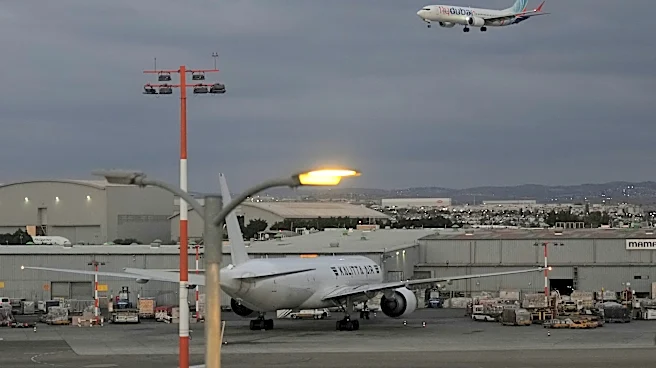
The United Arab Emirates (UAE) has initiated the 'Ahmed bin Rashid Humanitarian Bridge' to airlift food aid to Gaza, aiming to provide over 10 million meals to Palestinians. This operation, launched on Friday, involves flights from Al Maktoum International
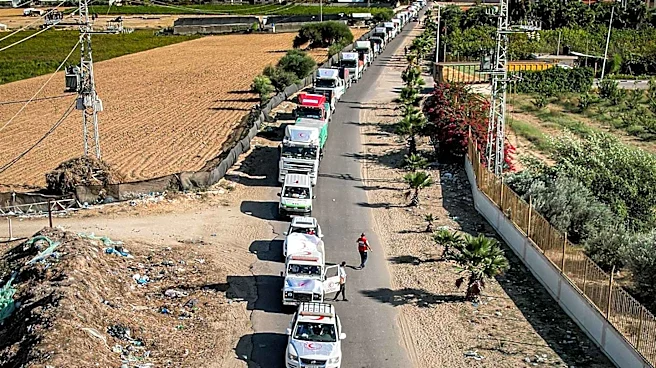
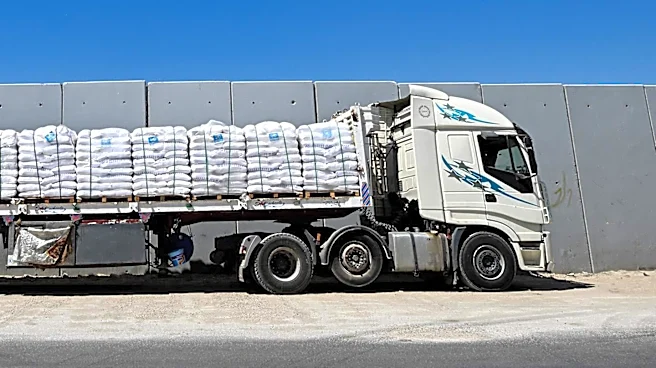
Airport carrying food parcels and a vessel transporting supplies. The initiative honors Sheikh Ahmed bin Rashid, brother of Sheikh Mohammed bin Rashid, Vice President and Ruler of Dubai, who passed away on September 21. Volunteers and community members gathered at the Dubai World Trade Centre to prepare aid packages. The humanitarian bridge will operate through air and sea transport in seven consignments, including six flights carrying 450 tonnes of food parcels and one vessel transporting 4,000 tonnes of supplies. This effort augments the UAE's ongoing humanitarian contributions, which have exceeded $4 billion in aid to Gaza since 2023, representing 46% of global humanitarian aid during that period. Operation Chivalrous Knight 3, launched in November 2023, has been a continuous lifeline for Palestinians, delivering 130,708 tonnes of relief, medical, and food supplies via 796 aircraft, 25 ships, and 14,483 lorries.
Why It's Important?
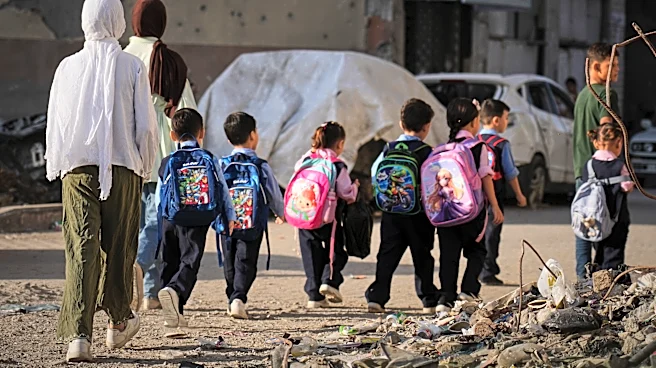
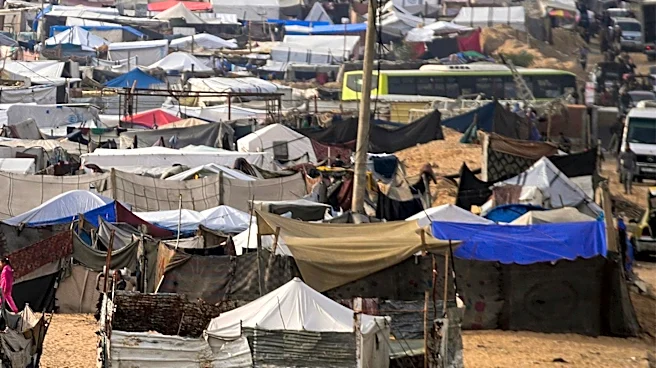
This humanitarian initiative is crucial for addressing the severe food insecurity and humanitarian crisis in Gaza, where aid groups report dire conditions and insufficient assistance despite a ceasefire. The commitment to deliver over 10 million meals signifies a substantial effort to alleviate suffering among the Palestinian population. The UAE's consistent and significant financial contribution, totaling over $4 billion since 2023, highlights its role as a major global humanitarian actor. This sustained support, encompassing emergency relief, healthcare, and logistical aid, sets a model for international humanitarian response. The integrated approach of combining air and sea transport ensures a broad reach and efficient delivery of essential supplies, which is vital given the complex logistical challenges of providing aid to the region. The initiative also underscores the importance of philanthropic efforts and international cooperation in mitigating the impact of prolonged conflicts on civilian populations.
What's Next?
The 'Ahmed bin Rashid Humanitarian Bridge' is scheduled to operate through seven consignments, with six flights and one vessel delivering the aid. The continuity of these operations will be critical in sustaining the flow of essential supplies to Gaza. The UAE's ongoing commitment suggests that similar initiatives or extensions of the current operation may follow, depending on the evolving humanitarian needs in the region. Monitoring the effectiveness of aid distribution and addressing any logistical bottlenecks will be key. International aid organizations and other nations may be encouraged to bolster their efforts or adopt similar integrated approaches to humanitarian assistance, potentially leading to increased global support for Gaza. The long-term impact will depend on the sustained nature of these efforts and the ability to reach all affected populations effectively.
Beyond the Headlines
The 'Ahmed bin Rashid Humanitarian Bridge' not only provides immediate relief but also carries significant symbolic weight, honoring a figure known for generosity and philanthropy. This initiative reinforces the UAE's soft power and its commitment to humanitarian values on the global stage. Beyond the immediate provision of food, such large-scale aid operations can foster goodwill and potentially influence regional stability by demonstrating active support for affected populations. The emphasis on an integrated approach, combining various transport methods and involving community volunteers, showcases a comprehensive strategy for humanitarian intervention. This model could serve as a blueprint for future international disaster relief efforts, highlighting the importance of efficiency, expertise, and broad community involvement in addressing complex humanitarian crises. The initiative also subtly underscores the ongoing challenges in Gaza, where even with significant aid, the situation remains critical, pointing to deeper systemic issues requiring sustained international attention.