
What's Happening?
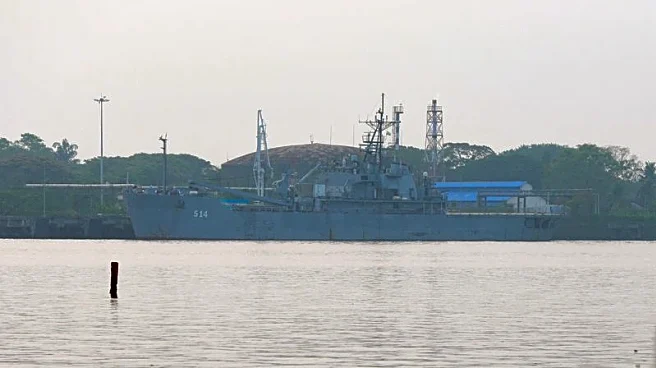
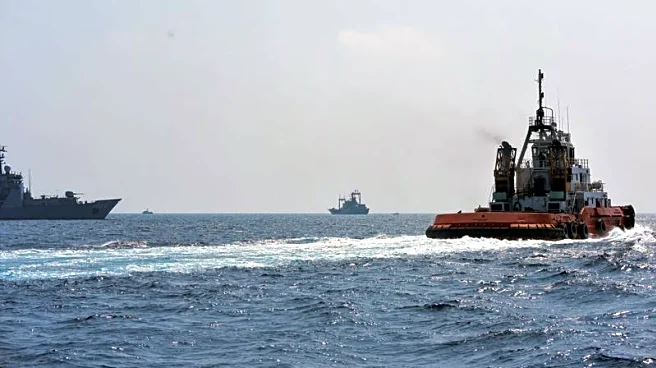
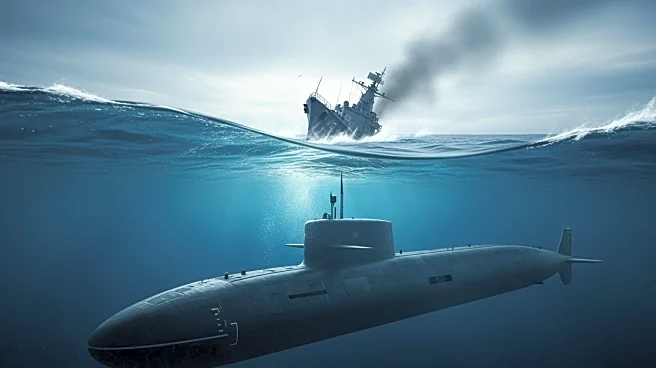
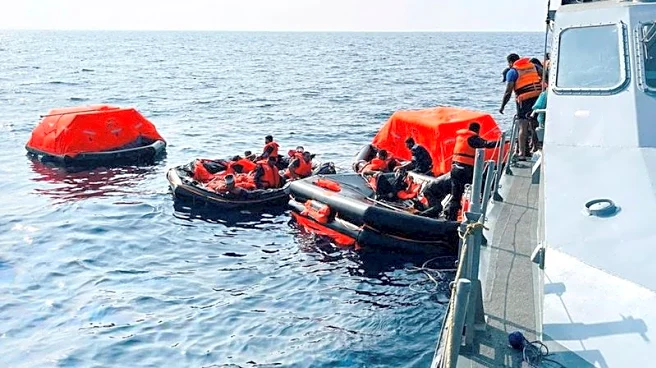
The United States is urging Sri Lanka not to repatriate the crew of an Iranian warship, the Dena, which was sunk by a U.S. submarine in the Indian Ocean. The incident, which occurred near Sri Lanka's southern coast, resulted in the deaths of dozens of Iranian sailors.
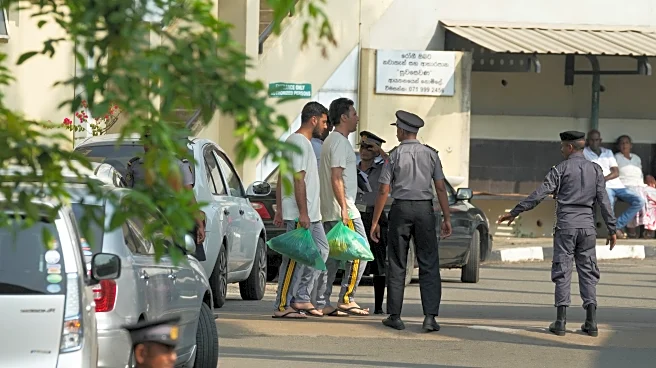
The U.S. has also requested that Sri Lanka retain the crew of a second Iranian vessel, the Booshehr, currently in Sri Lankan custody. This development marks a significant escalation in the U.S.-Iran conflict, with the U.S. emphasizing the need to prevent Iran from using the detained crew for propaganda purposes. The U.S. State Department has communicated its stance to Sri Lanka, while also acknowledging Sri Lanka's sovereignty in handling the situation.
Why It's Important?
This incident highlights the expanding geographical scope of the U.S.-Iran conflict, potentially affecting international maritime security and diplomatic relations in the region. The U.S.'s actions and requests to Sri Lanka underscore the strategic importance of the Indian Ocean and the need to curb Iranian influence. The situation could impact U.S. relations with Sri Lanka, as well as broader regional dynamics involving countries like India and Israel. The conflict's escalation may also lead to increased maritime insurance premiums and affect global oil prices, given the strategic significance of the region for oil transportation.
What's Next?
Sri Lanka faces a diplomatic challenge in balancing its response to U.S. requests with its own national interests and international obligations. The decision on whether to repatriate the Iranian crew could influence Sri Lanka's foreign relations and its role in regional security dynamics. The U.S. is likely to continue diplomatic engagements with Sri Lanka to ensure its strategic objectives are met. Meanwhile, the situation may prompt further international discussions on maritime security and the legal implications of detaining foreign naval personnel.