




What's Happening?
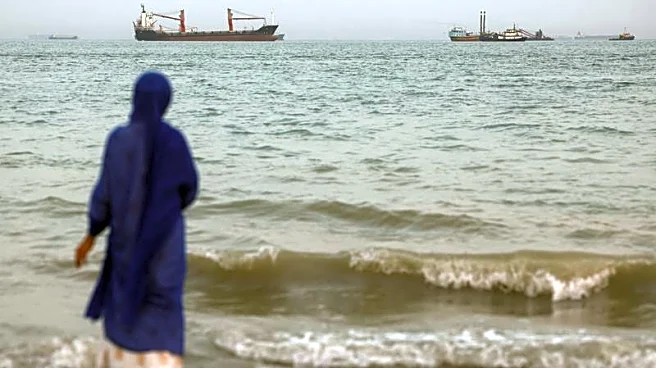
Oil prices have experienced fluctuations due to ongoing tensions between the United States and Iran, particularly concerning the strategic Strait of Hormuz. Recent clashes have clouded the prospects of an interim deal to reopen the strait, a critical
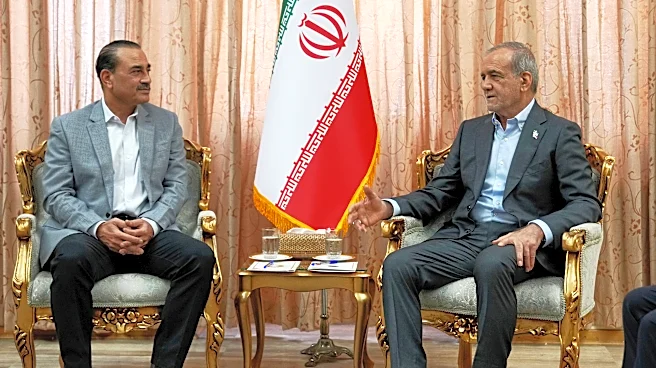
passage for global oil and liquefied natural gas. The U.S. and Iran are negotiating a ceasefire extension, with the U.S. potentially lifting its blockade and Iran reopening the strait. However, disagreements persist, particularly over Iran's control of traffic through the chokepoint. The situation has led to a rapid depletion of global oil inventories, with U.S. holdings contracting significantly. Meanwhile, Israel has intensified strikes against Iranian-backed Hezbollah in Lebanon, adding to the complexity of the negotiations. The International Energy Agency reports that global oil inventories are being drawn at a record pace, highlighting the urgency of resolving the conflict.
Why It's Important?
The ongoing conflict and negotiations between the U.S. and Iran have significant implications for global energy markets. The Strait of Hormuz is a vital artery for oil and gas flows, and its closure has disrupted global supply chains, leading to increased oil prices. The situation places pressure on the U.S. and other stakeholders to reach a resolution to stabilize markets. The depletion of oil inventories could lead to further price volatility, affecting industries reliant on stable energy supplies. Additionally, the geopolitical tensions could influence U.S. foreign policy and its relations with Middle Eastern countries, impacting broader international relations and economic stability.
What's Next?
Negotiations between the U.S. and Iran are expected to continue, with both sides working towards a memorandum of understanding to halt the conflict. The outcome of these talks will be crucial in determining the future of oil flows through the Strait of Hormuz. If a deal is reached, it could take months to restore normal operations, as damaged facilities need repair. The international community, including Arab states and Europe, will likely play a role in facilitating or responding to the agreement. The situation remains fluid, with potential for further military actions or diplomatic breakthroughs.