



What's Happening?
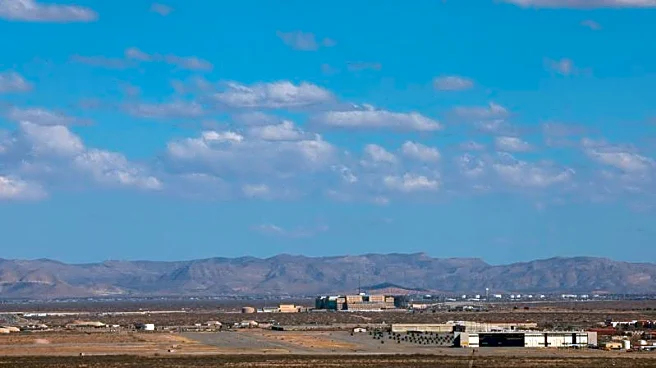
NASA has awarded a contract to ARES Technical Services Corporation for launch range operations support at the Wallops Flight Facility in Virginia. The contract, valued at $339.8 million, includes a one-year base period starting February 10, with four
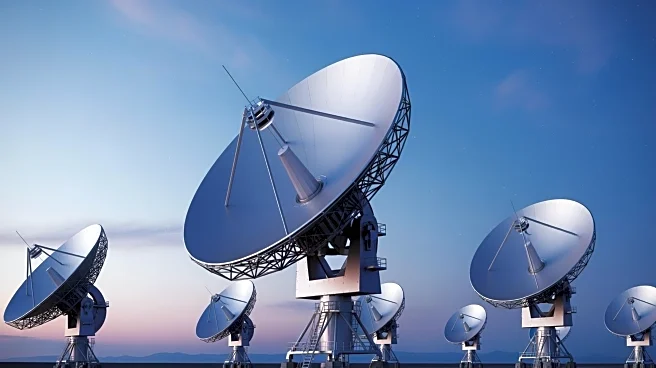
one-year options extending potentially to 2031. The scope of work encompasses radar, telemetry, logistics, tracking, and communications services for various flight vehicles, including rockets, aircraft, satellites, balloons, and unmanned aerial systems. Additional responsibilities include information and computer systems services, testing, modifying, and installing communications and electronic systems at launch facilities, and range technology sustainment engineering services. The work will primarily occur at NASA Wallops, with additional support at sites such as the Bermuda Tracking Station and Poker Flat Research Range in Alaska.
Why It's Important?
This contract is crucial for maintaining and enhancing the operational capabilities of NASA's Wallops Flight Facility, a key site for launching and tracking various aerospace vehicles. The facility supports NASA's broader mission of space exploration and research, providing essential services for both orbital and suborbital missions. The contract ensures continued technological advancement and operational efficiency, which are vital for the success of NASA's future missions. The involvement of ARES Technical Services Corporation highlights the importance of collaboration between government agencies and private companies in advancing aerospace technology and maintaining the United States' leadership in space exploration.
What's Next?
With the contract in place, ARES Technical Services Corporation will begin operations at Wallops Flight Facility, focusing on enhancing the range's capabilities. The collaboration is expected to lead to improvements in tracking and communication systems, which are essential for the success of future missions. NASA will continue to monitor the progress and effectiveness of the operations, ensuring that the facility meets the evolving needs of space exploration. The contract's extension options provide flexibility for adapting to new technological advancements and mission requirements over the next decade.