



What's Happening?
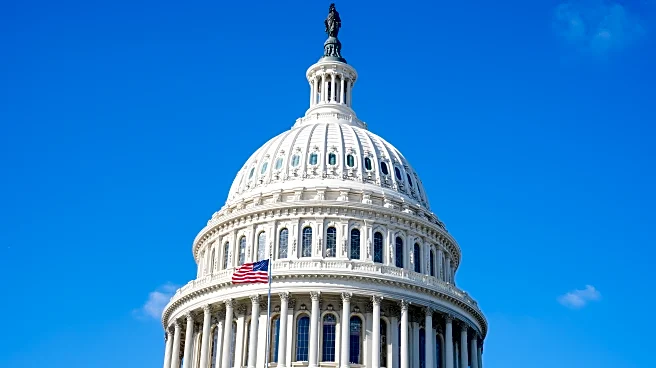
The Federal Emergency Management Agency (FEMA) is under scrutiny for its handling of compensation funds intended for victims of the 2022 New Mexico wildfires. Despite Congress allocating $5.4 billion to aid those affected, many victims are still awaiting
payments. Criticism has intensified following revelations that Jay Mitchell, the director overseeing the claims office, and his deputy received substantial payouts while other victims remain uncompensated. The process for filing claims has been described as cumbersome, with many claimants facing delays and bureaucratic hurdles. FEMA has placed Mitchell and his deputy on administrative leave, though no wrongdoing has been officially determined. The situation has sparked outrage among local leaders and victims, who feel neglected by the agency's slow response.
Why It's Important?
The controversy surrounding FEMA's handling of the compensation fund highlights significant challenges in disaster response and recovery efforts. The delayed payments have left many victims struggling to rebuild their lives, exacerbating the economic and emotional toll of the disaster. The situation underscores the need for efficient and transparent processes in distributing aid, especially in the wake of natural disasters. The internal payouts to FEMA officials have further eroded trust in the agency, raising questions about accountability and fairness. This incident could influence future policy decisions regarding federal disaster response and the role of state versus federal agencies in managing such crises.
What's Next?
The ongoing scrutiny of FEMA's actions may lead to further investigations and potential policy changes. New Mexico's congressional delegation has already demanded answers regarding the administration of the compensation fund. If the agency fails to address these concerns, there could be increased pressure for leadership changes or restructuring within FEMA. Additionally, the situation may prompt broader discussions on improving disaster response mechanisms and ensuring that aid reaches those in need promptly. Stakeholders, including local governments and advocacy groups, are likely to continue pushing for reforms to prevent similar issues in future disaster responses.