



What's Happening?
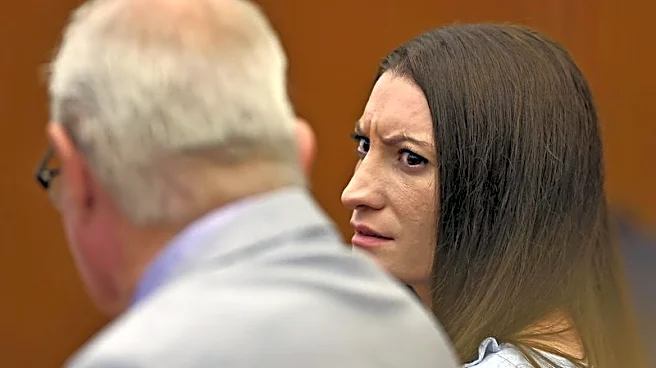
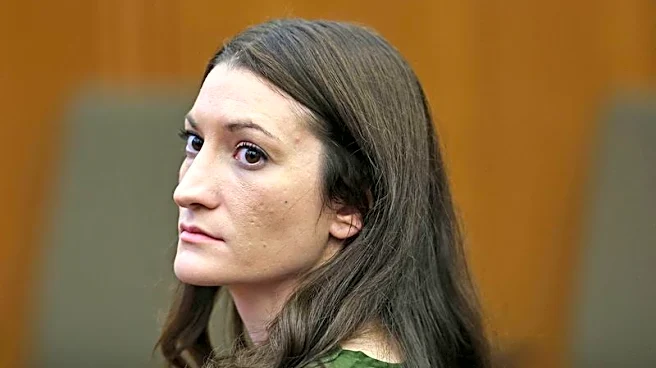
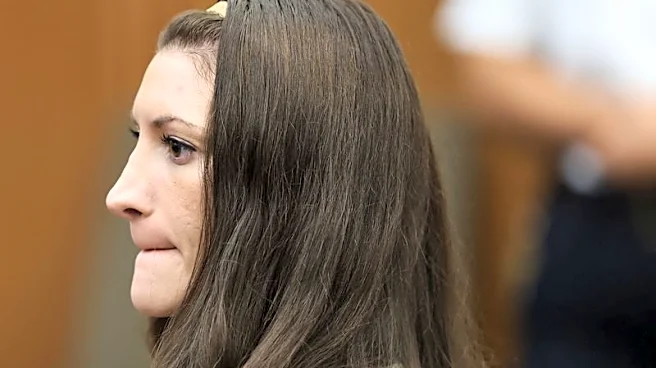
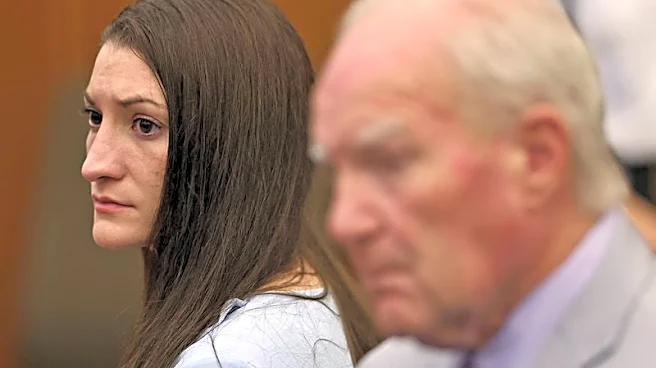
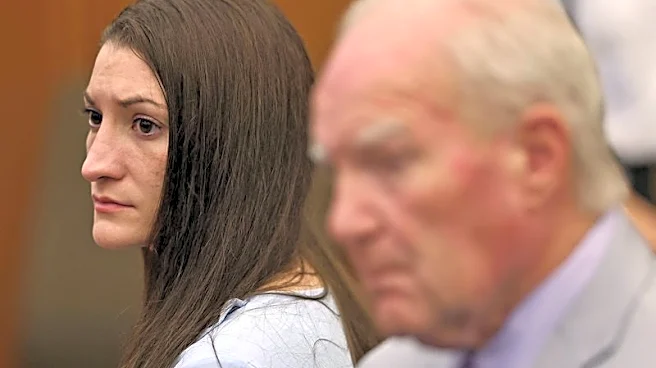
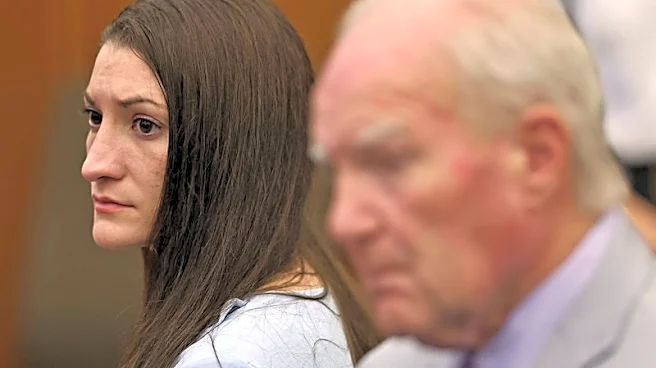
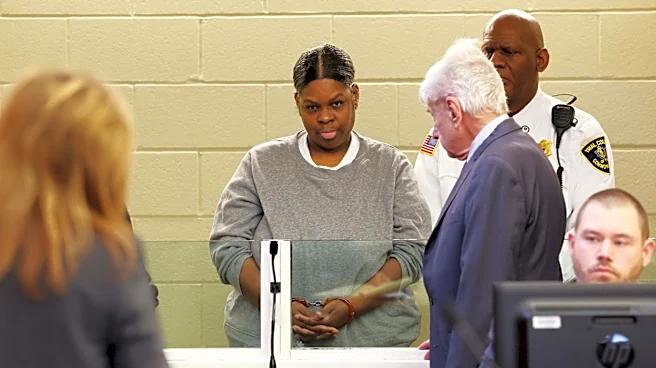
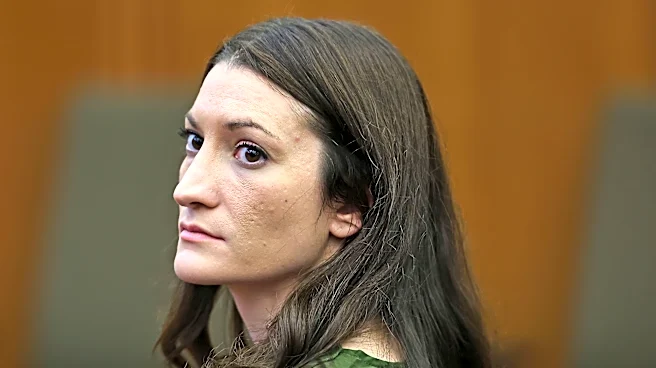
An editorial highlights the need to remember the three deceased children—5-year-old Cora, 3-year-old Dawson, and 8-month-old Callan—in the ongoing Lindsay Clancy trial. Clancy, a mother from Duxbury, Massachusetts, is accused of strangling her children to death
with exercise bands in January 2023, after which she reportedly attempted suicide, leaving her paralyzed. Her attorneys argue she was suffering from postpartum psychosis and lacked criminal responsibility, while prosecutors contend the killings were deliberately planned. The case has garnered significant public attention, with a growing number of women expressing sympathy for Clancy, some even attending her trial with signs like 'Believe' and 'She Needed Help.' The editorial acknowledges the importance of addressing maternal mental health but cautions against losing sight of the victims amidst the public's focus on Clancy's struggles.
Why It's Important?
This editorial addresses a critical societal tension between empathy for mental health struggles and the imperative to condemn violence, particularly against children. The Lindsay Clancy case has become a focal point for discussions around postpartum psychosis and maternal mental health, issues that are often under-addressed in society. While advocating for better postpartum care and open conversations about parental struggles is crucial, the editorial warns against the potential for public sympathy to overshadow the tragic loss of innocent lives. The phenomenon of women expressing solidarity with Clancy, even with disturbing social media trends, highlights the complex and sometimes problematic ways in which true crime narratives are consumed and interpreted. This situation underscores the need for a balanced approach that acknowledges the profound impact of mental health conditions while unequivocally upholding the value and safety of children. It also prompts a broader reflection on how society processes and responds to horrific events, ensuring that the victims are not forgotten in the pursuit of understanding the perpetrator's circumstances.
What's Next?
The trial of Lindsay Clancy will continue, with legal arguments focusing on her mental state at the time of the alleged crimes and her criminal responsibility. The outcome of the trial will have significant implications for how similar cases involving severe maternal mental health issues are prosecuted and understood in the U.S. Public discourse around the case is likely to persist, continuing to fuel conversations about postpartum psychosis, maternal mental health support, and the ethics of public sympathy in criminal cases. Advocacy groups may intensify their efforts to push for improved postpartum care and mental health resources for new mothers, using the visibility of this case to highlight systemic gaps. However, the editorial's call to remember the child victims suggests an ongoing societal challenge in balancing compassion for the accused with justice and remembrance for those who lost their lives. The case will likely remain a touchstone for discussions on mental health, legal responsibility, and the protection of children.
Beyond the Headlines
The Lindsay Clancy case, as framed by the editorial, exposes a profound ethical dilemma within contemporary society: how do we reconcile compassion for individuals suffering from severe mental illness with the absolute condemnation of infanticide? The public's reaction, particularly the outpouring of support for Clancy, reveals a growing awareness and empathy for maternal mental health struggles, which is a positive development. However, it also highlights a potential pitfall where the narrative of the perpetrator's suffering can inadvertently eclipse the tragedy of the victims. This situation forces a critical examination of the true crime genre's influence, especially how it shapes public perception and emotional responses to horrific events. It underscores the importance of nuanced public discourse that can hold both truths simultaneously: the reality of mental illness and the sanctity of innocent life. Ultimately, the case challenges society to develop more robust support systems for mental health while reinforcing the fundamental principle that violence against children is unacceptable, regardless of the circumstances of the perpetrator.