






What's Happening?
U.S. Senator Brian Schatz of Hawaii acknowledged the significant issue of hot classroom temperatures interfering with student learning in an interview with The Pinion. He recognized the need for a comfortable learning environment for students but clarified
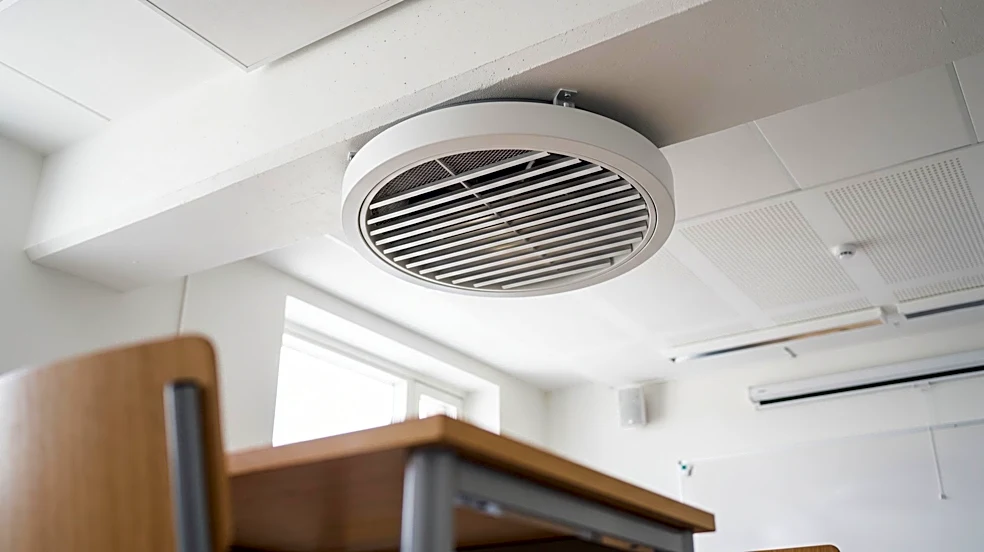
that his federal role has limitations regarding the direct implementation of air conditioning in state-run schools. Senator Schatz personally experienced the heat during the interview, noting, 'it’s too hot in here. And it’s not reasonable for you guys to try to stay focused when you’re dealing with the heat.' He emphasized that while students deserve a quiet and comfortable place to learn, the responsibility for adding air conditioning to classrooms primarily rests with the state government. Schatz highlighted that air conditioning schools should be a priority, especially given that traditional cooling methods, such as relying on trade winds, are no longer effective due to rising temperatures.
Why It's Important?
The issue of uncomfortably hot classrooms in Hawaii, as acknowledged by Senator Schatz, underscores a critical challenge for public education and student well-being. High temperatures can significantly impair students' ability to concentrate and learn, potentially leading to decreased academic performance and overall discomfort. This problem is exacerbated by climate change, which has led to an increase in hot days, rendering older school designs that relied on natural ventilation inadequate. The financial and logistical hurdles, such as the need for extensive electrical upgrades in schools like McKinley High School, highlight the systemic nature of the problem. While Senator Schatz points to state responsibility, the federal government's recognition of the issue could potentially influence state-level funding and policy decisions, emphasizing the broader impact of environmental changes on educational infrastructure and the need for adaptive solutions.
What's Next?
The immediate next steps involve continued efforts at the state and local levels to address classroom heat. McKinley High School Principal Ron Okamura is actively exploring various options, including electrical upgrades and alternative cooling technologies, with the hope of air conditioning all buildings within the next few years. The teachers' union is also planning a presentation to address hot classrooms and is expected to engage with the Hawaii Department of Education (HIDOE) to push for renewed efforts in implementing effective cooling solutions, learning from past failures of initiatives like Governor David Ige’s Cool Classrooms Initiative. While Senator Schatz's federal role limits direct intervention, his public acknowledgment and support for a comfortable learning environment could provide momentum for state legislative action and increased funding allocations for school infrastructure improvements. The ongoing challenge will be to overcome the significant financial and logistical barriers to ensure all students have access to conducive learning environments.
Beyond the Headlines
The problem of hot classrooms in Hawaii extends beyond mere discomfort; it is a tangible manifestation of climate change impacting daily life and public services. The reliance on outdated infrastructure and the ineffectiveness of traditional cooling methods highlight the need for climate-resilient planning in public facilities. This issue also raises questions about educational equity, as students in schools lacking air conditioning may face disadvantages compared to those in more modern or better-equipped facilities. The broader implication is the necessity for integrated approaches that consider environmental sustainability, public health, and educational outcomes in infrastructure development. The dialogue initiated by Senator Schatz, even with federal limitations, can serve as a catalyst for state and local governments to prioritize investments in climate-adaptive infrastructure for schools, ensuring that future generations are not hindered by environmental challenges in their pursuit of education.