






What's Happening?
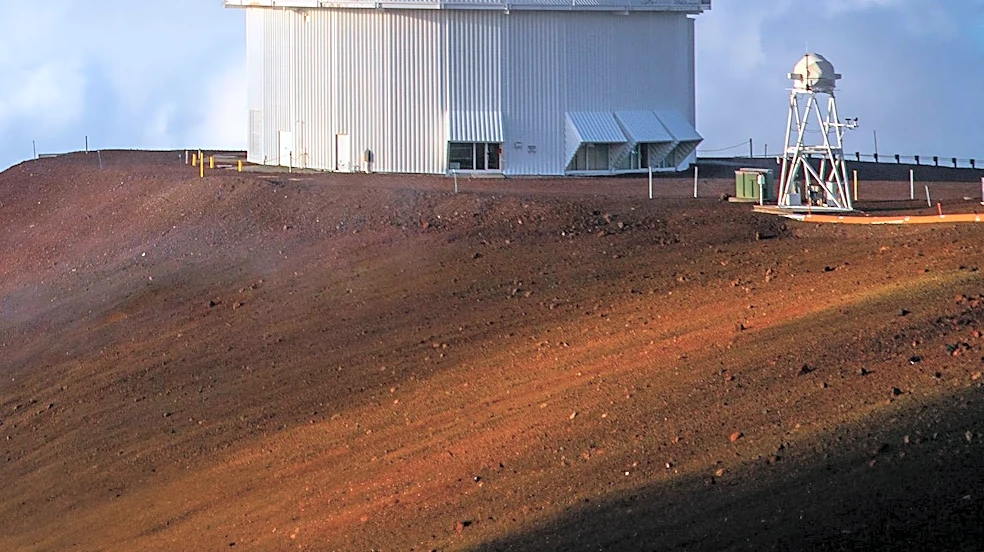
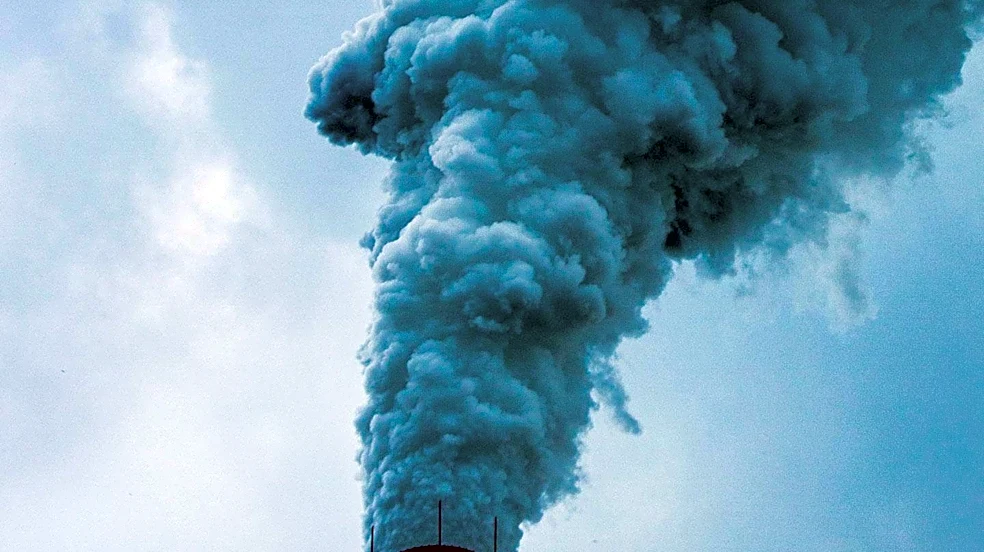
According to NOAA data from the Mauna Loa observatory in Hawaii, carbon dioxide (CO2) levels in the atmosphere have reached approximately 426-428 parts per million (ppm). This increase in CO2 is cited as a contributing factor to the growing frequency
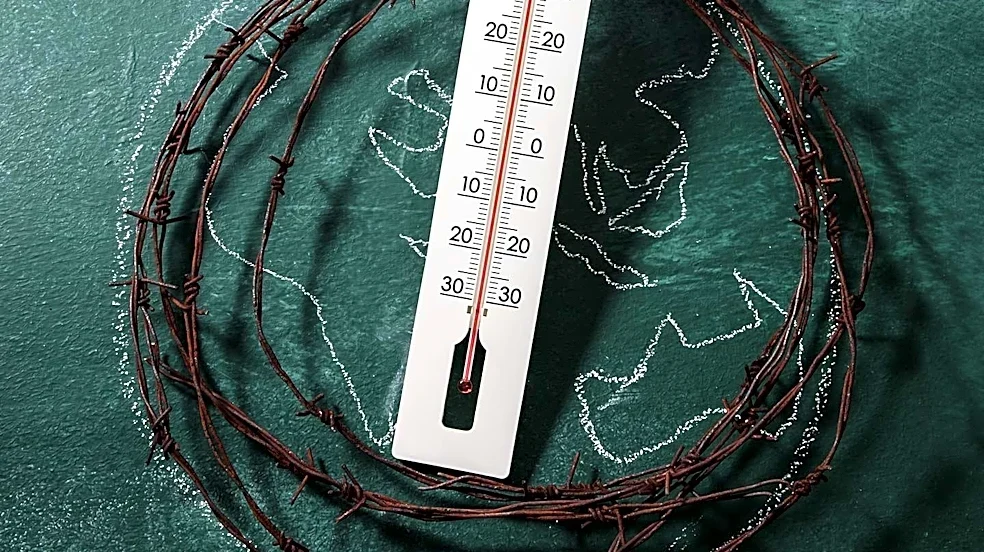
of heat domes, which are anticyclones that remain stationary for extended periods, trapping and heating air. The scientific community suggests that in mid-latitude regions, spanning roughly 30 to 60 degrees, air temperatures could reach or exceed 50°C (122°F) under conditions of very dry ground and persistent high pressure. While the absolute highest temperatures are still observed in deserts like Death Valley, the rising CO2 levels are expected to push temperature peaks higher in mid-latitudes. The World Meteorological Organization (WMO) continues to recognize the 56.7°C (134°F) recorded in Death Valley in 1913 as the official world record, though modern instruments have measured 54°C (129.2°F) in 2013 and 54.4°C (129.9°F) in 2020 and 2021, which are awaiting final validation.
Why It's Important?
The reported CO2 levels and their link to extreme heat events have significant implications for the U.S., particularly in regions prone to heat domes, such as parts of the North America mentioned in the source. Increased frequency and intensity of heatwaves can lead to severe public health crises, including heat-related illnesses and fatalities, and place immense strain on healthcare systems. Economically, prolonged high temperatures can disrupt agricultural productivity, increase energy demand for cooling, and damage infrastructure. The U.S. also faces challenges in managing water resources, as dry conditions exacerbated by heat domes can lead to droughts and increased wildfire risks. The scientific understanding of temperature limits and the role of CO2 underscores the urgency for climate adaptation strategies and mitigation efforts to reduce greenhouse gas emissions, impacting policy decisions related to environmental protection, energy, and urban planning.
What's Next?
With CO2 levels continuing to rise, the U.S. can anticipate more frequent and intense heat domes, leading to higher temperature peaks in various regions. While science does not predict air temperatures exceeding 60°C (140°F) on land in the short term, temperatures between 50-55°C (122-131°F) are expected to become more common and affect a wider range of areas. This trend will likely necessitate further investment in heat-resilient infrastructure, early warning systems for extreme heat, and public education campaigns on heat safety. Policymakers may face increasing pressure to implement stricter environmental regulations and promote renewable energy sources to curb CO2 emissions. Additionally, research into climate modeling and adaptation strategies will become even more critical to prepare for and mitigate the impacts of these escalating heat events.
Beyond the Headlines
The persistent rise in CO2 levels and the resulting intensification of heat domes highlight a profound ethical and societal challenge. The disproportionate impact of extreme heat on vulnerable populations, including the elderly, low-income communities, and outdoor workers, raises questions of environmental justice and equitable resource distribution. The long-term shifts triggered by these climatic changes could redefine human habitability in certain regions, potentially leading to internal migration and increased social inequalities. Furthermore, the scientific consensus on the physical limits of air temperature and the role of CO2 underscores the ethical imperative for global cooperation on climate action. The ongoing validation of temperature records by organizations like the WMO emphasizes the critical importance of accurate scientific data in informing policy and public understanding, shaping a future where climate resilience and sustainability are paramount.