





What's Happening?
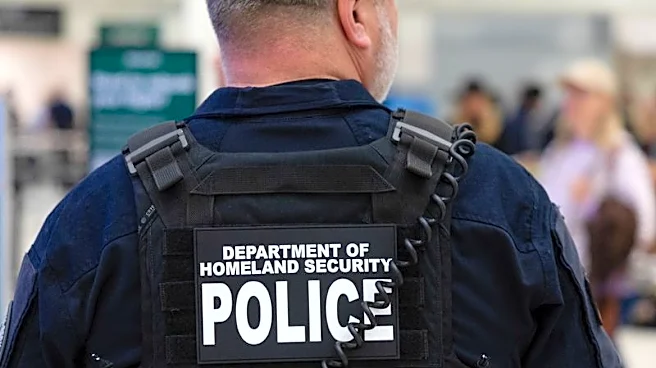
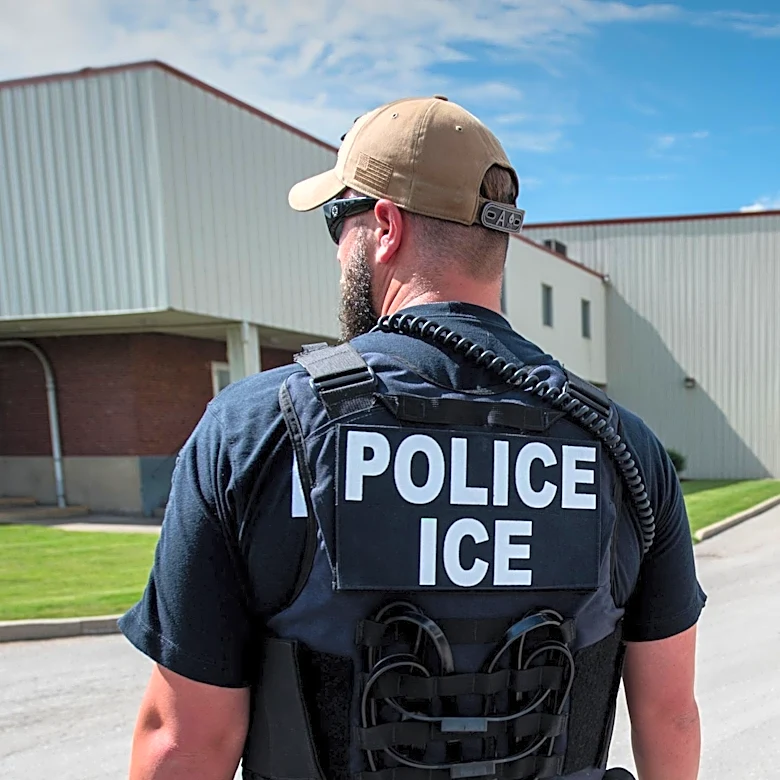
The Department of Homeland Security (DHS) has experienced a significant data breach, resulting in the exposure of personal information for more than 40,000 employees. The leaked data, which includes names, phone numbers, and email addresses, pertains
to personnel from various DHS agencies such as Immigration and Customs Enforcement (ICE), Customs and Border Protection (CBP), U.S. Citizenship and Immigration Services (USCIS), Homeland Security Investigations (HSI), and the Cybersecurity and Infrastructure Security Agency (CISA). A group identifying itself as the 'Department of Peace' obtained this data and provided it to Distributed Denial of Secrets, a nonprofit transparency group. DHS has acknowledged the potential breach and stated it is actively working to address the situation. This incident marks the third major U.S. government data leak in the past month, following breaches affecting the FBI and the Defense Department.
Why It's Important?
This data breach carries significant implications for national security and the privacy of federal employees. The exposure of personal details, particularly for those involved in surveillance, intelligence, and undercover operations, could compromise ongoing investigations, endanger personnel, and undermine the effectiveness of critical national security functions. The incident also highlights vulnerabilities within government IT systems, potentially eroding public trust in the government's ability to protect sensitive information. For the affected employees, the breach poses risks of identity theft, harassment, and targeted attacks. The transparency group, Distributed Denial of Secrets, justified the leak by stating it identifies 'key personnel in DHS’ ever-escalating rendition and deportation programs,' suggesting a motive to expose individuals involved in controversial immigration policies.
What's Next?
DHS has indicated it is actively working to address the situation and will provide further updates as more information becomes available. This will likely involve internal investigations to determine the full extent of the breach, identify the entry points, and implement enhanced cybersecurity measures. Affected employees will likely receive notifications and guidance on protecting themselves from potential misuse of their personal information. There may also be calls for congressional oversight and increased scrutiny of government cybersecurity protocols. Given the stated motivations of the 'Department of Peace,' the incident could also fuel further debate and activism surrounding immigration policies and the operations of DHS agencies.
Beyond the Headlines
The breach raises deeper questions about the ethics of data transparency and hacktivism, particularly when it involves exposing personal information of government employees. While proponents argue such leaks promote accountability and public awareness, critics highlight the potential for harm to individuals and national security. This event could lead to a re-evaluation of how government agencies manage and protect sensitive employee data, especially for those in high-risk roles. It also underscores the ongoing challenge of balancing transparency with security in an increasingly digital and interconnected world, potentially influencing future legislation and policies regarding data protection and cyber warfare.