



What's Happening?
The Israeli Transportation Ministry has announced an easing of flight restrictions at Ben Gurion Airport, allowing airlines to sell up to 100 seats on outbound flights. This decision comes after previous limitations were imposed due to security concerns
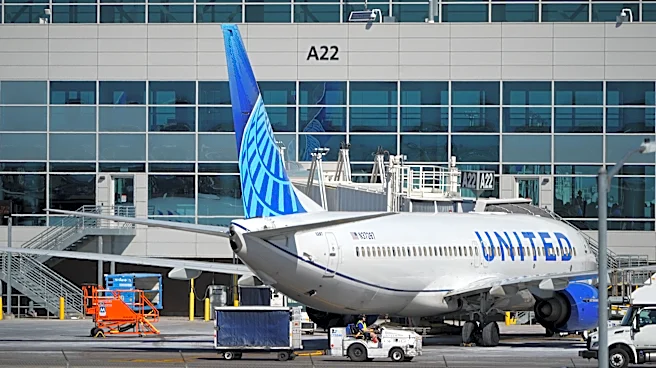
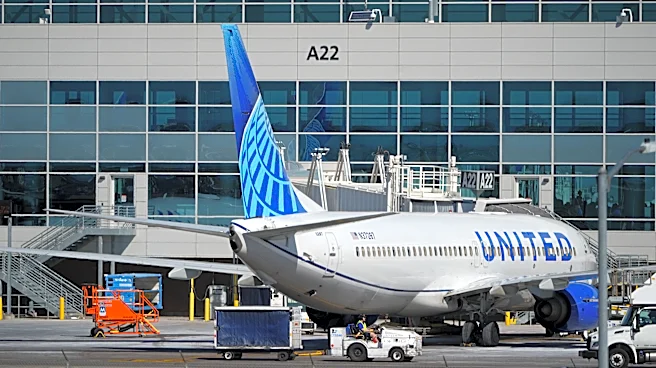
following an incident involving interceptor debris at the airport. The current quota includes a 30% allocation for humanitarian and exceptional cases. Despite the easing, the number of permitted air movements remains restricted to one departure and one arrival per hour. Meanwhile, numerous foreign airlines have suspended flights to and from Israel due to escalating regional tensions, with major carriers like United Airlines and Air Canada extending suspensions through September.
Why It's Important?
The easing of restrictions at Ben Gurion Airport is a critical development for Israel's aviation sector, potentially facilitating increased passenger movement and economic activity. However, the ongoing security situation and widespread flight suspensions by international airlines highlight the persistent challenges facing the region's air travel industry. These disruptions could have broader economic implications, affecting tourism, business travel, and international relations. The situation underscores the delicate balance between maintaining security and supporting economic activities in conflict-affected areas.
What's Next?
As the security situation evolves, further adjustments to flight operations at Ben Gurion Airport may occur. The Israeli government and airport authorities will likely continue to assess the situation, potentially implementing additional measures to ensure passenger safety while accommodating travel demand. International airlines may also reassess their operations based on security developments, impacting flight availability and connectivity. The broader geopolitical context will play a significant role in shaping future aviation policies and strategies in the region.