







What's Happening?
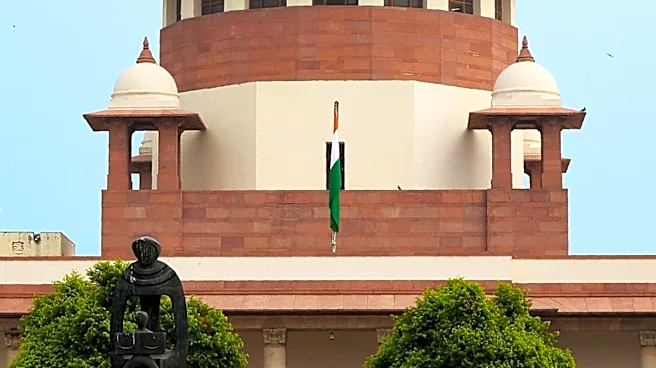
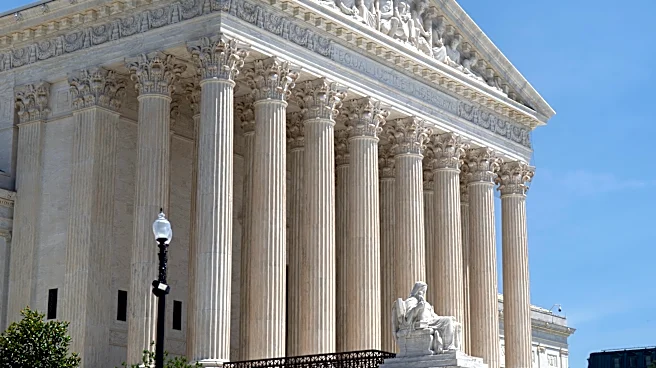
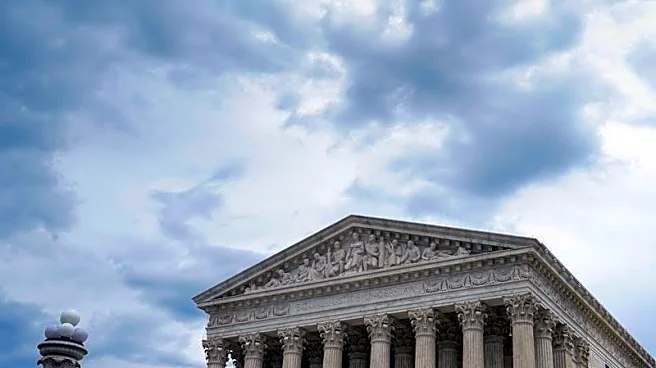
The Supreme Court has issued a 7-2 decision in the case of Monsanto v. Durnell, significantly limiting the ability of American farmers to sue agrochemical companies for health issues related to pesticide exposure. The ruling supports Bayer-Monsanto's
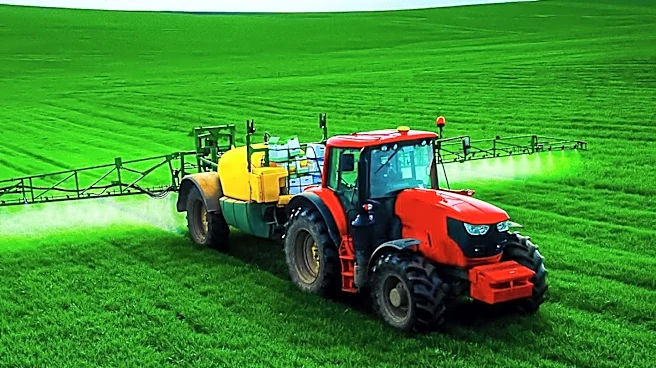
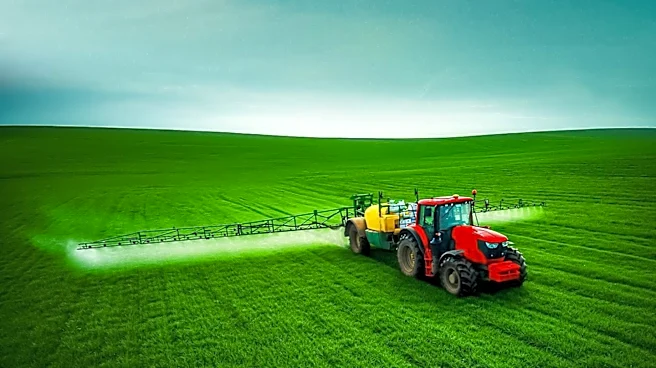
argument that approval by the Environmental Protection Agency (EPA) should shield companies from liability, even when there is evidence of harm. This decision has united a diverse group of Americans, including rural conservatives and progressive environmentalists, in opposition. The case has highlighted the growing concern over chemical additives in food and the health risks associated with agrochemicals.
Why It's Important?
The ruling is seen as a victory for the agrochemical industry, potentially emboldening companies to seek broader liability protections. However, it also risks intensifying public scrutiny and legislative action against chemical use in agriculture. The decision could lead to increased pressure on lawmakers to pass policies that reduce farmers' reliance on harmful chemicals and promote healthier food production. The bipartisan support for banning certain pesticides indicates a significant shift in public opinion, which could influence future legislative efforts to hold agrochemical companies accountable.
What's Next?
In response to the ruling, there is likely to be increased legislative activity aimed at reversing the decision's impact. Lawmakers from both parties are already pushing for measures to eliminate liability shields for agrochemical companies. The upcoming farm bill discussions in Congress may serve as a platform for these efforts. Additionally, there is potential for increased investment in technologies and practices that reduce chemical use in agriculture, as well as initiatives to support farmers in transitioning to more sustainable methods.