






What's Happening?
The Australian Defence Force (ADF) has initiated the deployment of low carbon liquid fuel (LCLF) blends across its operational network. This move is part of a broader strategy to bolster fuel resilience and align with the 2026 National Defence Strategy,
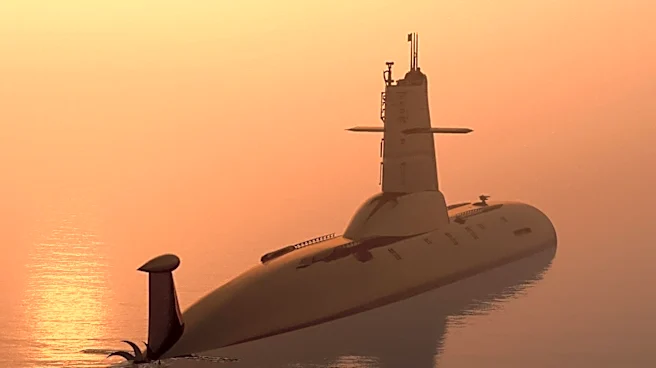
which prioritizes enhanced energy security and operational readiness. The initiative involves introducing aviation and diesel fuels that incorporate synthetic components into fuel installations nationwide. Brigadier Mark Baldock, Director General Fuel Capability, emphasized that diversifying fuel sources is crucial for strengthening Defence's energy security. These LCLFs are chemically identical to traditional fossil fuels, allowing them to be used in existing ADF equipment without requiring modifications. The Defence Energy Transition Office (DETO) has been instrumental in this transition, undertaking certification processes and conducting platform demonstrations, including during Exercise Talisman Sabre and the Avalon Air Show. All ADF aviation and land assets are now certified to operate on LCLF, with RAAF Base East Sale and the Army Aviation Training Centre already utilizing blended fuels. Certification for remaining maritime platforms is nearing completion.
Why It's Important?
This initiative by the Australian Defence Force holds significant implications for national security and energy policy. By diversifying its fuel sources and incorporating low carbon liquid fuels, Australia aims to reduce its reliance on imported fossil fuels, thereby enhancing its strategic independence and resilience against global supply chain disruptions. The ability to produce these fuels domestically from sources like canola oil, sugar cane, waste oils, or forestry residue strengthens sovereign capability and supports local industries. Furthermore, the chemical indistinguishability of LCLFs from conventional fuels means that the ADF can transition without incurring substantial costs for equipment modification, ensuring operational continuity and efficiency. This move also positions Australia as a leader in sustainable defense practices, potentially influencing other nations to adopt similar strategies. The focus on energy security through diversified, domestically produced fuels is a critical step in future-proofing defense operations against geopolitical volatilities and environmental concerns.
What's Next?
The Australian Defence Force will continue to integrate low carbon liquid fuels across its remaining maritime platforms, with certification nearing completion. The Defence Fuels Qualification Centre, established in partnership with the Defence Science and Technology Group, will play a crucial role in promoting fuel standards awareness, conducting qualification testing, and fostering collaboration with industry to support sovereign fuel production. This center will be vital in ensuring the ongoing quality and availability of LCLFs. The DETO will also continue its efforts to adopt certification for ADF platforms and ensure interoperability with partner nations that are also embracing LCLFs. This ongoing transition is expected to further strengthen Australia's energy security and operational readiness, while also contributing to its climate ambitions. The success of this program could serve as a model for other defense organizations globally, encouraging a broader shift towards sustainable and resilient fuel sources.
Beyond the Headlines
Beyond the immediate operational benefits, the ADF's adoption of low carbon liquid fuels signals a broader cultural and strategic shift within defense establishments globally. It challenges the traditional reliance on fossil fuels and demonstrates that national security can be enhanced through sustainable practices. This move could accelerate research and development in biofuel technologies, driving innovation in both military and civilian sectors. The emphasis on domestic production of LCLFs also has economic implications, creating new industries and jobs within Australia, particularly in agricultural and waste management sectors. Ethically, it aligns defense operations with environmental stewardship, addressing concerns about the carbon footprint of military activities. This initiative could also foster greater international cooperation on sustainable energy solutions, as partner nations seek to ensure interoperability and share best practices. Ultimately, it represents a forward-thinking approach to defense that integrates environmental responsibility with strategic imperatives, setting a precedent for future military energy policies.