



What's Happening?
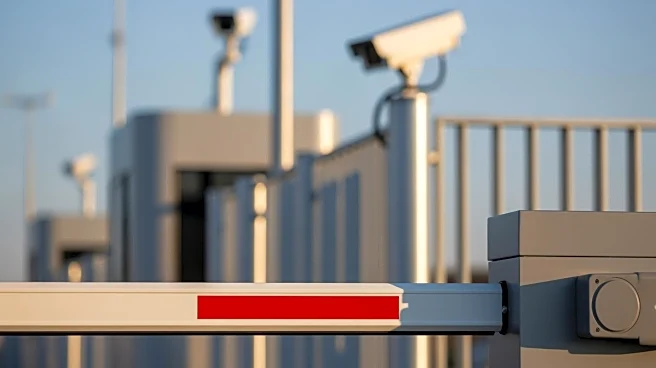
Israel has fully reopened the Rafah Border Crossing between Gaza and Egypt, allowing Palestinians to leave the enclave and return to Gaza. This reopening follows a limited pilot opening to address logistical issues. The crossing, closed since May 2024,
is part of a U.S.-brokered ceasefire agreement. Despite the reopening, Israel continues to impose security checks and limits the entry of foreign and Israeli journalists. The European EUBAM organization, along with Palestinian involvement, will handle the main border checks, while the IDF will conduct additional checks. The reopening is seen as a significant step in facilitating humanitarian aid and movement for Palestinians, although restrictions remain.
Why It's Important?
The reopening of the Rafah crossing is crucial for humanitarian reasons, as it allows Palestinians to seek medical care outside Gaza, which has been severely limited due to the closure. The crossing is a vital route for the movement of people and goods, impacting the lives of Gaza's two million residents. The reopening is part of a broader ceasefire agreement, indicating progress in diplomatic efforts to stabilize the region. However, the continued restrictions on journalists and security checks highlight ongoing tensions and the complex security dynamics in the area.
What's Next?
The reopening of the Rafah crossing is expected to facilitate increased humanitarian aid and movement of people. However, the situation remains fluid, with potential for changes in security protocols and restrictions. The involvement of international organizations like EUBAM suggests ongoing international oversight and involvement in the region. The response from major stakeholders, including Israel, Egypt, and Palestinian authorities, will be crucial in determining the future of the crossing and its impact on the region.