




What's Happening?
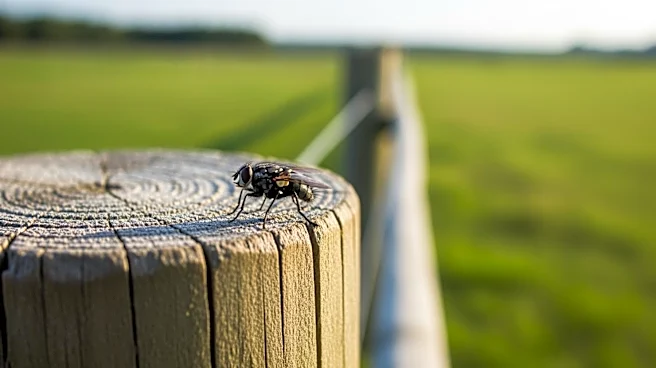
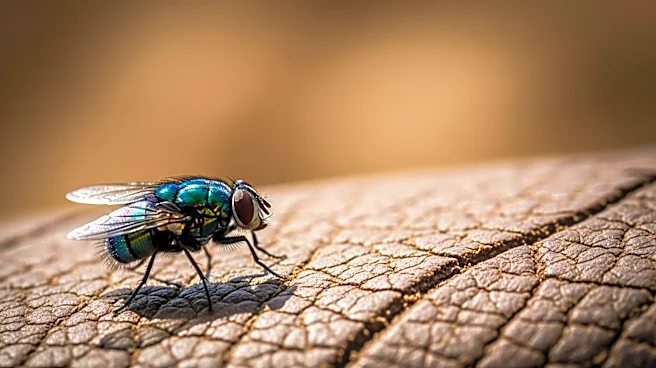
A second case of the flesh-eating screwworm fly has been confirmed in Texas, prompting a state of disaster declaration by Governor Greg Abbott. The U.S. Department of Agriculture (USDA) is working with state officials to contain the spread of the parasite,
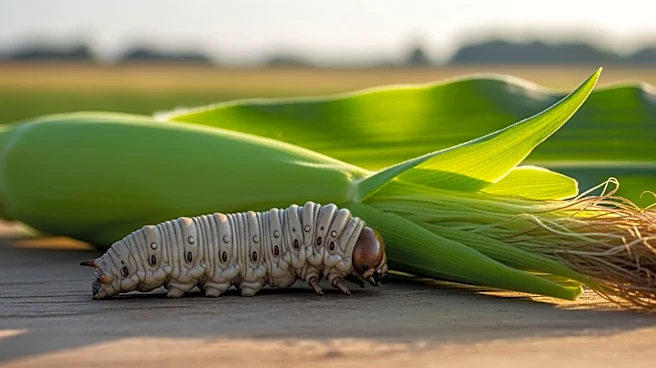
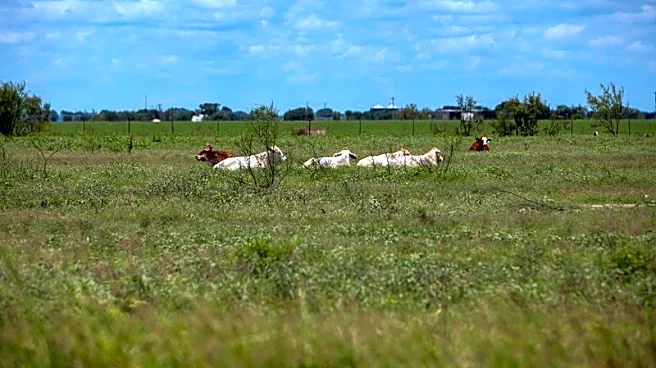
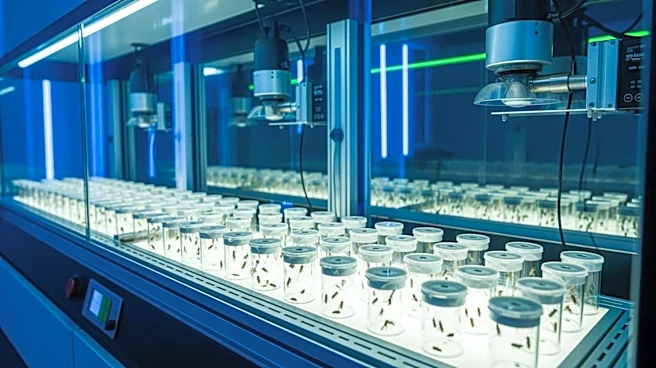
which poses a significant threat to Texas's cattle industry. The screwworm larvae feed on the living flesh of warm-blooded animals, causing severe economic implications for cattle ranchers. The USDA is dispersing sterile flies to prevent reproduction and further spread. The infections are the first detected in the U.S. since the 1960s, with movement restrictions and enhanced surveillance in place.
Why It's Important?
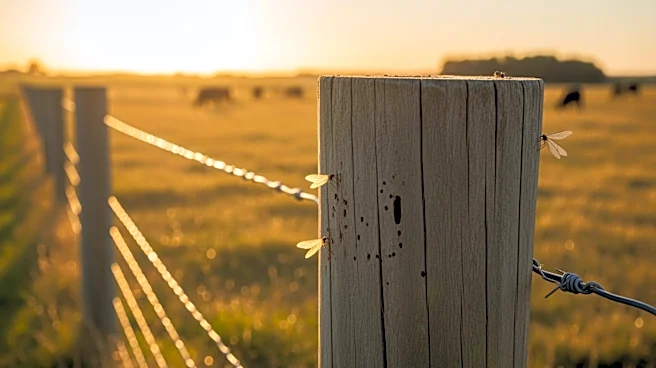
The resurgence of the screwworm fly in Texas threatens the state's cattle industry, a vital component of the U.S. economy. The parasite's spread could lead to significant economic losses due to animal deaths and increased treatment costs. The situation also highlights the importance of biosecurity measures and the need for effective pest control strategies. The temporary ban on Texas livestock by Canada further underscores the potential international trade implications. The outbreak serves as a reminder of the vulnerabilities in agricultural systems and the need for ongoing vigilance and preparedness against pest and disease threats.
What's Next?
Efforts to control the screwworm outbreak will continue, with the USDA and Texas officials focusing on the release of sterile flies and movement restrictions. The situation may lead to increased scrutiny of biosecurity measures and potential policy changes to prevent future outbreaks. The economic impact on the cattle industry will be closely monitored, with potential implications for beef prices and supply chains. International trade relations may also be affected, particularly with Canada, as the situation develops. Stakeholders will need to collaborate to address the outbreak and mitigate its impact on the agricultural sector.