






What's Happening?
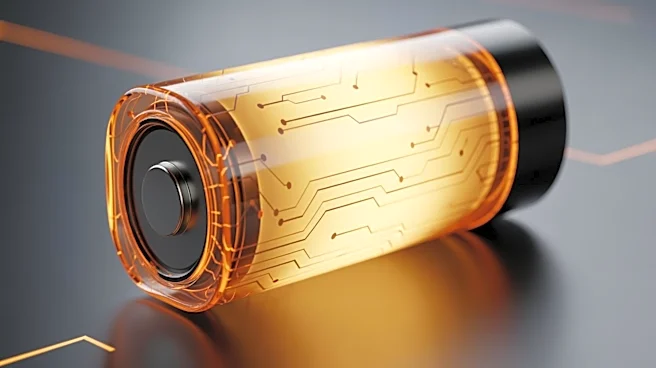
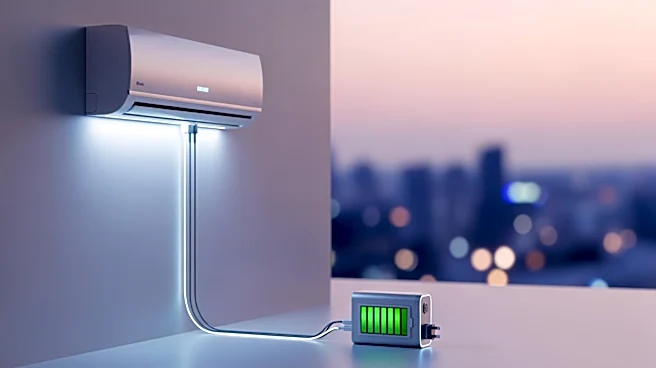
A pilot program in New York City is testing the use of plug-in batteries to power air conditioners during peak demand periods, aiming to reduce stress on the electric grid during heat waves. The initiative, led by Every Electric in partnership with Con
Edison, involves devices that charge when electricity demand is low and power window AC units when demand spikes. This approach is part of a broader trend towards virtual power plants, where distributed energy resources are coordinated to manage grid load. The program is expanding to over 1,000 homes this summer, offering participants cash rebates as incentives.
Why It's Important?
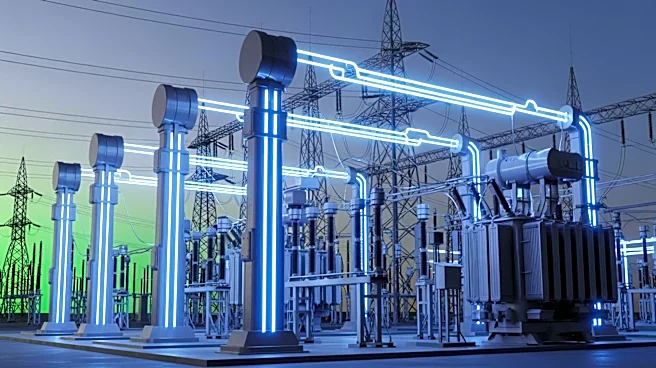
This pilot program represents a significant shift in how cities can manage electricity demand during extreme weather events. By reducing reliance on backup power plants, which are often less efficient and more polluting, the program could lead to lower emissions and more stable electricity prices. It also highlights the potential for renter-friendly solutions to contribute to energy efficiency and grid reliability. As heat waves become more frequent due to climate change, such innovations are crucial for maintaining power supply and reducing the environmental impact of increased energy consumption.
What's Next?
The success of this pilot could lead to wider adoption of similar programs across other cities, potentially transforming how urban areas manage electricity demand. If scaled effectively, these systems could significantly reduce the need for new power plant construction, lowering costs and environmental impact. The program's expansion will depend on its ability to demonstrate cost-effectiveness and ease of integration into existing grid infrastructure. Future developments may also explore integrating these systems with renewable energy sources, further enhancing their environmental benefits.