



What's Happening?
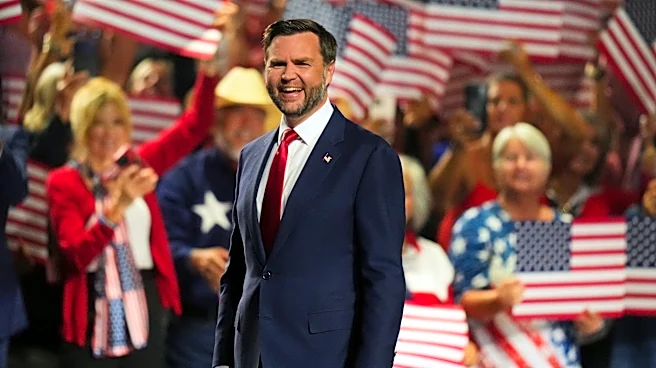
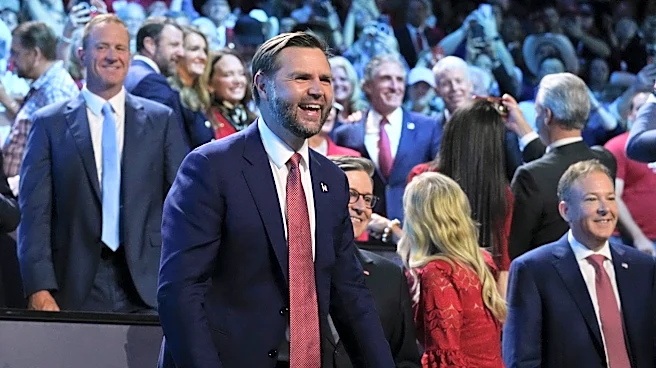
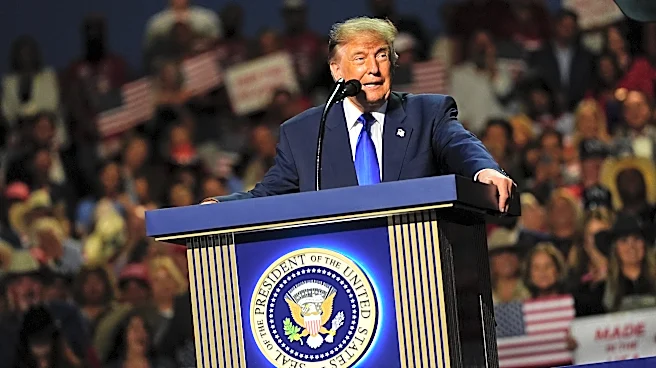
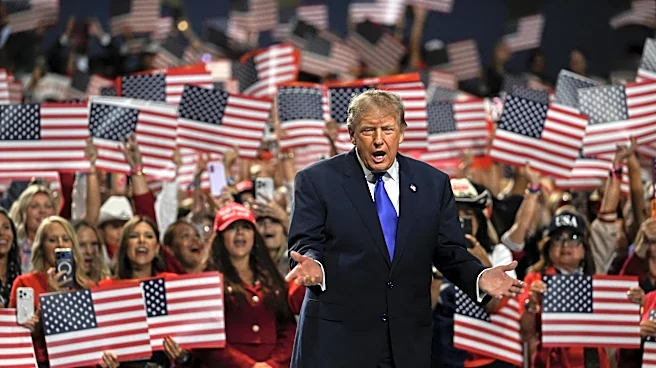
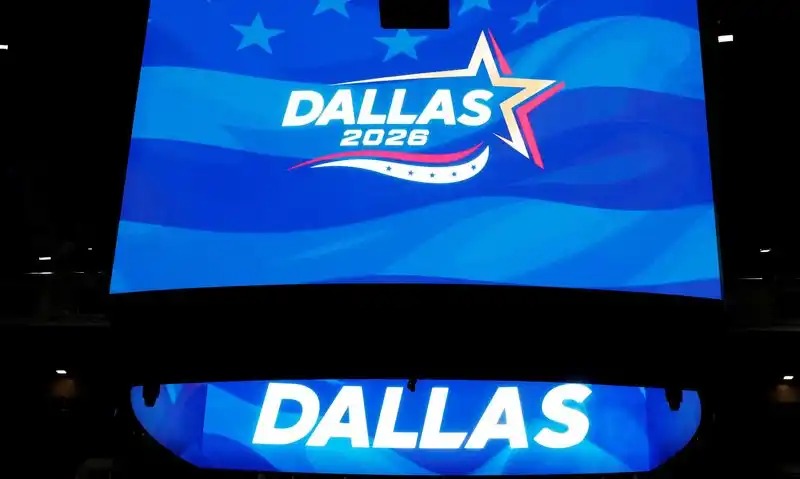
U.S. Rep. Derrick Van Orden, representing Wisconsin’s 3rd Congressional District, spoke at President Trump’s midterm election convention in Dallas, Texas, on September 9, 2026. During his address, Van Orden highlighted healthcare policies enacted by him
and President Trump, claiming they benefit rural Wisconsinites. He specifically referenced the 'One Big Beautiful Bill Act' and the 'Working Families Tax Cut Act,' asserting these initiatives brought millions in funding to rural hospitals in Wisconsin. Van Orden stated that these investments have made a significant difference for people in rural America, including Black River Falls Memorial Hospital. He also criticized Democrats for not supporting these tax cuts. Other Wisconsin Republicans, including U.S. Reps. Bryan Steil and Glenn Grothman, and 7th Congressional District candidate Michael Alfonso, also attended the convention, though Van Orden was the only one from Wisconsin to speak.
Why It's Important?
This event is important as it showcases a Republican lawmaker's strategy to frame healthcare policy and tax cuts as beneficial to rural communities, particularly in a competitive congressional district. Van Orden's claims about the 'One Big Beautiful Bill Act' and 'Working Families Tax Cut Act' are presented as direct improvements to rural healthcare access and affordability. However, an analysis by KFF last year indicated that the bill made substantial cuts to Medicaid, potentially resulting in a loss of $7 billion in federal healthcare funds for Wisconsin over the next decade. Furthermore, the centrist think tank Third Way projected that hospitals in Van Orden’s district could lose over $42 million in annual revenue due to these Medicaid cuts. This discrepancy highlights a significant political debate regarding the actual impact of these policies on healthcare funding and services, particularly for vulnerable populations reliant on Medicaid. The focus on rural healthcare is critical given the challenges many such areas face in maintaining hospital services and attracting medical professionals.
What's Next?
The upcoming campaign between U.S. Rep. Derrick Van Orden and Democrat Rebecca Cooke for Wisconsin’s 3rd Congressional District is expected to be highly contested, with healthcare policy likely remaining a central issue. Cooke's campaign has already criticized Van Orden for attending the Dallas convention instead of holding town halls in his district and for his voting record on healthcare, specifically citing the projected $7 billion cut to Wisconsin's healthcare. The Democratic Party of Wisconsin has also condemned Van Orden's attendance at what they termed a 'lavish' event, arguing he is neglecting his constituents' needs. As the election approaches, both campaigns will likely intensify their efforts to sway voters on healthcare, with Van Orden continuing to defend the enacted policies and Cooke emphasizing the negative impacts of Medicaid cuts. The debate will likely focus on the tangible effects of these policies on healthcare costs, hospital closures, and access to medical services for Wisconsinites.
Beyond the Headlines
The convention appearance and the ensuing debate over healthcare funding reveal deeper implications regarding political messaging and the interpretation of legislative impacts. Van Orden's narrative emphasizes direct benefits to rural hospitals through tax cuts, while critics point to the broader, potentially detrimental effects of Medicaid reductions. This divergence underscores a common challenge in political discourse: how to present complex legislative outcomes in a way that resonates with voters, often simplifying or selectively highlighting aspects of a bill. The event also touches upon the role of national party conventions in local elections, where candidates align themselves with national figures like President Trump to bolster their campaigns, even when facing local criticisms about their priorities. The financial requirements for attending such conventions, with fees ranging from $25,000 to $100,000 for Republican members of Congress, also raise questions about campaign finance and access within political parties, particularly for vulnerable members who were exempt from these fees.