
What's Happening?
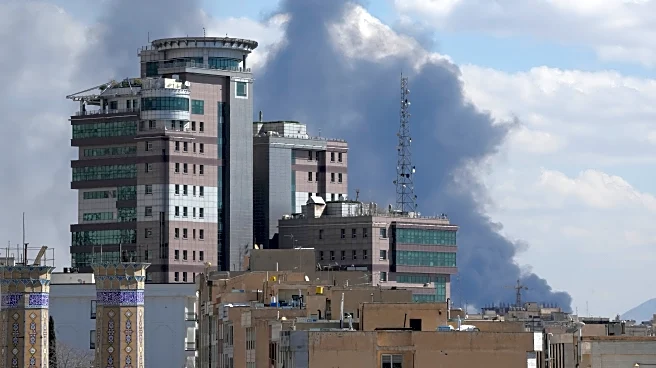
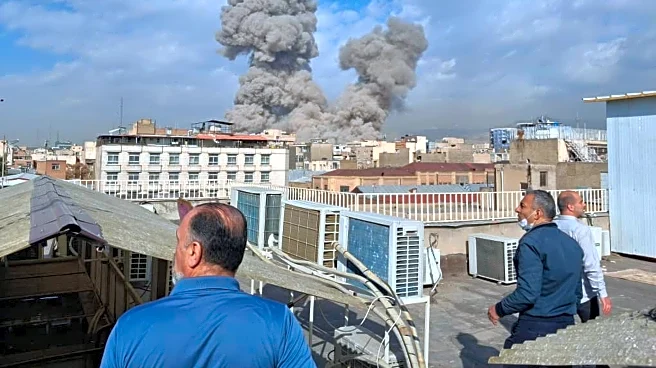
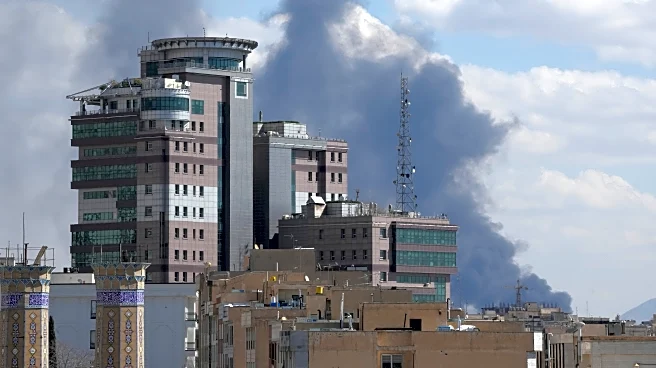
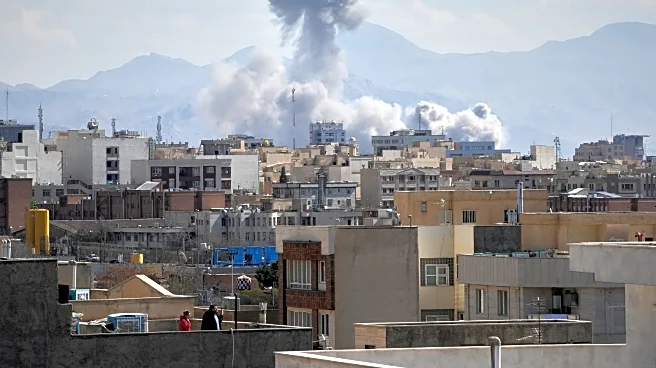
Iran has launched a series of strikes across the Gulf region, targeting the United Arab Emirates (UAE), Oman, and Jordan. The attacks have resulted in three fatalities and dozens of injuries. In the UAE, debris from intercepted drones hit Etihad Towers
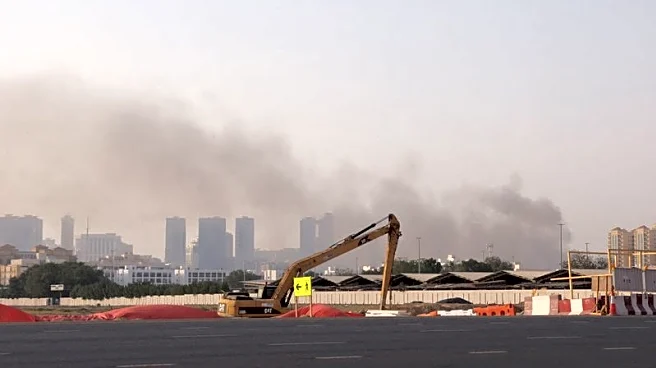
in Abu Dhabi, injuring a woman and her child. Additional incidents in Dubai involved drone fragments causing fires at Jebel Ali port and the Burj Al Arab hotel. Oman, a key mediator in regional diplomacy, reported drone attacks on its commercial port of Duqm, injuring a foreign worker. Jordan faced 49 drones and missiles directed at its territory, prompting military responses. The strikes have been widely condemned, with regional leaders urging Iran to cease its aggressive actions.
Why It's Important?
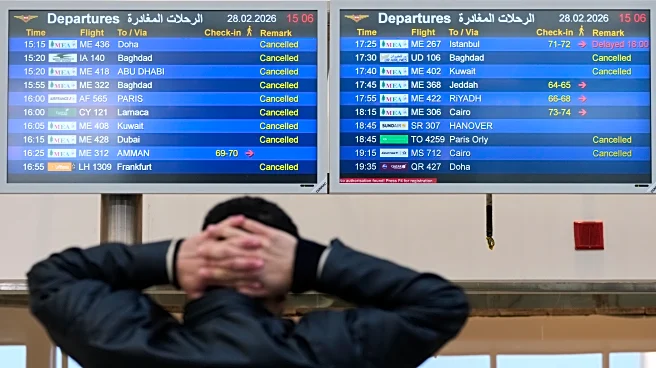
The Iranian strikes have escalated tensions in a region already fraught with geopolitical complexities. The attacks on countries like Oman, which have historically played a mediating role, threaten diplomatic efforts to maintain peace and stability. The UAE and Jordan, both strategic allies of the United States, are now compelled to bolster their defenses, potentially leading to increased military expenditures and regional arms races. The strikes also highlight the vulnerability of critical infrastructure in the Gulf, affecting international business and travel. The broader implications could include disruptions in global oil markets and heightened security measures affecting international trade routes.
What's Next?
In response to the attacks, affected countries are likely to strengthen their military defenses and seek international support to deter further aggression. Diplomatic efforts may intensify to de-escalate tensions, with potential involvement from global powers like the United States and European Union. The situation could lead to increased sanctions on Iran or calls for renewed negotiations to address regional security concerns. The international community will be closely monitoring the developments, as any further escalation could have significant implications for global peace and security.
Beyond the Headlines
The strikes underscore the fragile nature of regional alliances and the challenges of maintaining diplomatic channels in the face of military aggression. The attacks on mediating countries like Oman highlight the risks faced by nations attempting to broker peace in volatile regions. Additionally, the incidents may influence public opinion in the affected countries, potentially leading to increased nationalism and calls for stronger military responses. The long-term impact on regional stability and international relations remains uncertain, as stakeholders navigate the complex geopolitical landscape.