









What's Happening?
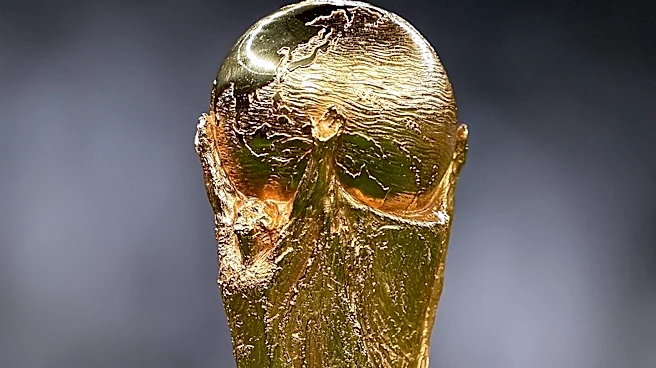
Freddy, a German tourist who gained viral fame for his enthusiastic World Cup road trip across the United States, has suddenly deactivated his social media presence. Known for his posts celebrating American culture, Freddy amassed a large following by
sharing his experiences at various U.S. landmarks and events. However, his journey took a turn when Germany was unexpectedly defeated by Paraguay, leading to increased scrutiny of his online persona. Critics began questioning the authenticity of his account, suggesting it might be a fake or even a CIA operation. Despite the lack of evidence supporting these claims, the backlash intensified, prompting Freddy to delete his X account and explain on Instagram that the environment had become 'too toxic.'
Why It's Important?
Freddy's story highlights the volatile nature of internet fame and the challenges faced by viral personalities. His experience underscores the scrutiny and backlash that can accompany sudden popularity, especially when anonymity is involved. This incident reflects broader societal trends where public figures, even those who are seemingly ordinary individuals, are subject to intense examination and criticism. The situation also illustrates the dual nature of social media, where platforms can both elevate and dismantle public personas rapidly. For businesses and public figures, Freddy's case serves as a reminder of the importance of managing online reputations and the potential consequences of viral fame.
What's Next?
While Freddy has chosen to step back from the spotlight, the narrative surrounding his journey may continue to evolve. Other social media users and influencers might draw lessons from his experience, potentially leading to more cautious approaches to online engagement. Additionally, the public's fascination with viral stories is likely to persist, with new personalities emerging to capture attention. For Freddy, the decision to remain anonymous and avoid further public exposure suggests a desire to return to normalcy, though the impact of his brief fame may linger in discussions about internet culture and the nature of authenticity online.
Beyond the Headlines
Freddy's story raises questions about the ethics of online anonymity and the responsibilities of social media platforms in protecting users from harassment. It also touches on cultural perceptions, as Freddy's portrayal of American life resonated differently with various audiences. Conservatives saw a celebration of American culture, while others perceived a critique of its excesses. This duality highlights the complex ways in which cultural narratives are constructed and consumed in the digital age. Furthermore, the incident may prompt discussions about the role of social media in shaping public perceptions and the potential for misinformation in viral phenomena.