








What's Happening?
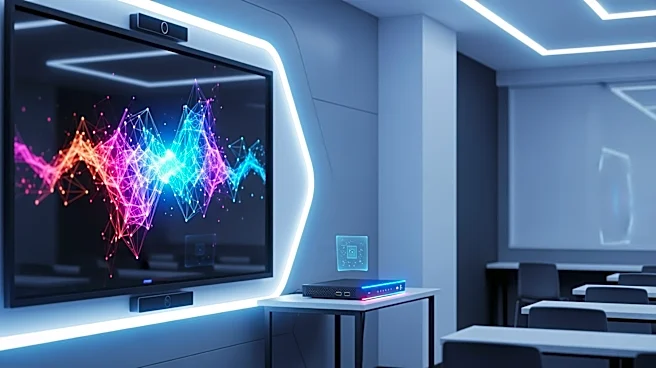
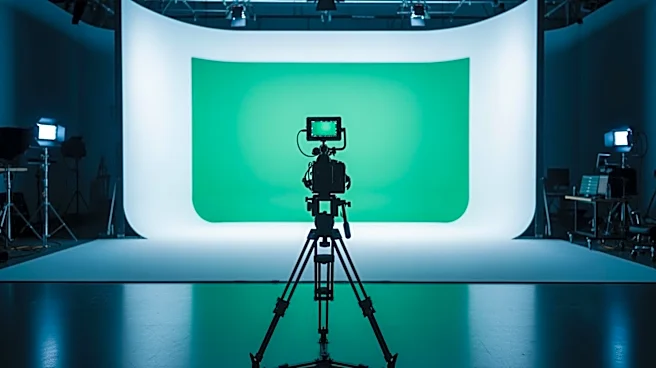
Stanford University has launched a new Immersive Studio designed to enhance the quality of online education through advanced technology. The studio features a 20-foot-wide by 12-foot-tall 4K LED wall, cinematic cameras, and a concave green screen, allowing
educators to create immersive learning experiences. This facility is part of Stanford Online's efforts to integrate live-action footage with digital elements in real-time, providing a more engaging educational experience. The studio supports live video calls, educational video production, and AI-powered learning experiences. It is a significant addition to Stanford Online's offerings, which include 375 credential programs. The initiative is part of the university's 30-year anniversary celebration of its online learning portal.
Why It's Important?
The introduction of the Immersive Studio at Stanford University represents a significant advancement in online education, potentially setting a new standard for virtual learning environments. By utilizing cinema-quality technology, the studio aims to enhance the educational experience for remote learners, making complex subjects more accessible and engaging. This development could influence other educational institutions to adopt similar technologies, thereby improving the quality of online education across the U.S. The studio's capabilities also align with the growing trend of personalized learning, as it allows for the integration of AI to tailor educational content to individual student needs. This could lead to more effective learning outcomes and better prepare students for the demands of the modern workforce.
What's Next?
As Stanford University continues to develop its online learning capabilities, the success of the Immersive Studio could lead to further investments in similar technologies. Other universities may follow suit, adopting advanced technological solutions to enhance their online education offerings. The integration of AI in education is likely to expand, providing more personalized and adaptive learning experiences. Additionally, the studio's capabilities may attract partnerships with tech companies interested in exploring new educational technologies. The impact of these developments on the broader educational landscape will depend on how effectively they are implemented and the extent to which they improve student engagement and learning outcomes.