




What's Happening?
Italy's tourism sector is experiencing diversification, driven by its rich cultural heritage, diverse landscapes, and recent infrastructure developments linked to the Milano Cortina 2026 Winter Olympics. The country remains a highly sought-after destination
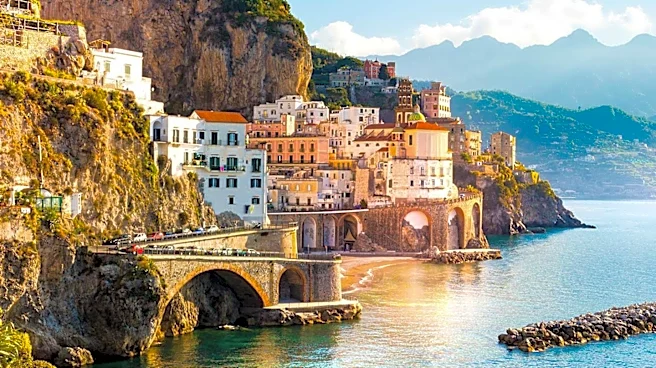
for international travelers, offering a wide array of experiences from luxury hospitality in high-value areas like Venice and the Amalfi Coast to more budget-friendly options in smaller cities and during shoulder seasons. The Olympics, hosted across Milan, Cortina d’Ampezzo, and other northern Italian locations, have significantly boosted the visibility of northern destinations beyond Italy's traditional tourist hubs. Investments in transport infrastructure, including roads and rail connections, have created lasting benefits for travelers, making it easier to combine urban and Alpine destinations. This has led to a 'two-speed' tourism market, catering to both high-budget visitors seeking premium experiences and price-sensitive travelers looking for more affordable options and off-peak travel.
Why It's Important?
The expansion of Italy's tourism geography and the development of its infrastructure have significant implications for the global travel industry and regional economies. By promoting a wider network of destinations beyond traditional hotspots, Italy is working to mitigate issues of over-tourism in popular cities like Venice and Cinque Terre, which have struggled with dwindling local populations and threats to their World Heritage Status. This strategic shift encourages more regional travel patterns, allowing visitors to explore multiple destinations and distribute economic benefits more broadly across the country. The improved transport links facilitate multi-stop holidays, making it more practical for international travelers to combine diverse experiences, such as Milan's fashion with Alpine scenery or historic towns. This approach not only enhances the visitor experience but also supports local businesses, including hotels, restaurants, and outdoor tourism providers, in previously less-visited areas, fostering sustainable growth and employment.
What's Next?
Italy's focus will be on leveraging the increased visibility and improved infrastructure from the Milano Cortina 2026 Olympics to sustain long-term tourism demand. This involves ensuring continued transport improvements, managing potential overcrowding in newly popular destinations, and maintaining affordability to attract travelers during non-peak times. The country aims to evolve from a seasonal stopover to a permanent home port for visitors, requiring ongoing investment in competitive ports, high-quality services, streamlined bureaucracy, and training for maritime professionals. The integration of Italy's shipbuilding tradition with its tourism and port offerings is key to transforming its coastal heritage into a driver of stable growth. Additionally, the ongoing monitoring of wildfires in various regions, such as Brindisi, Taranto, and Lecce, will be crucial for ensuring traveler safety and preserving natural attractions.
Beyond the Headlines
The diversification of Italy's tourism market reflects a broader global trend towards more sustainable and distributed travel. The emphasis on regional exploration and off-peak travel addresses the environmental and social impacts of mass tourism, promoting a more authentic and immersive cultural exchange. This shift also highlights the importance of infrastructure development as a catalyst for economic growth, demonstrating how major events like the Olympics can leave a lasting positive legacy beyond the immediate sporting spectacle. The 'two-speed' market also underscores evolving consumer preferences, with a growing segment of travelers seeking value and unique experiences away from crowded tourist traps. This could lead to a re-evaluation of tourism models in other popular destinations, encouraging a more balanced approach that benefits both visitors and local communities.