






What's Happening?
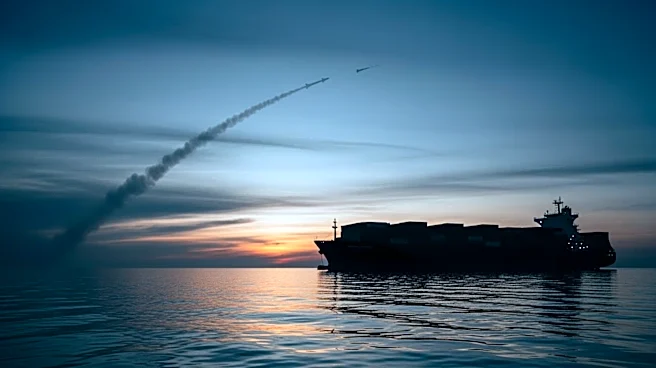
The U.S. military reported intercepting Iranian attacks on three Navy ships in the Strait of Hormuz, responding with strikes on Iranian military facilities. This incident underscores the fragility of the ceasefire between the U.S. and Iran. Iranian state
media reported exchanges of fire on Qeshm Island and explosions near Bandar Abbas. The U.S. administration has sent mixed messages regarding its strategy to end the conflict, with President Trump reiterating threats of further military action if Iran does not agree to a deal to resume oil and gas shipments.
Why It's Important?
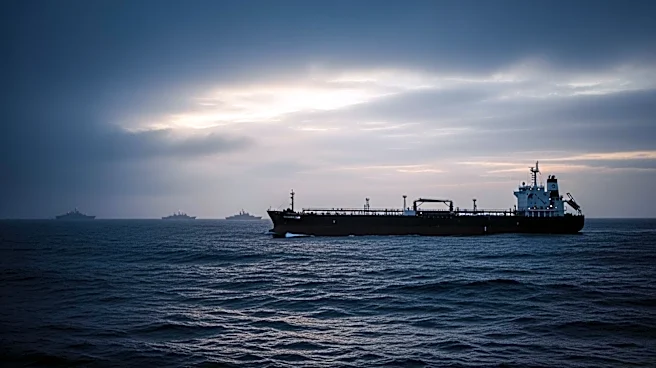
The Strait of Hormuz is a vital waterway for global oil and gas shipments, and its closure by Iran has significant implications for international trade and energy markets. The ongoing military engagements and the U.S. blockade of Iranian ports threaten to further destabilize the region and impact global economic stability. The situation highlights the geopolitical tensions and the challenges in achieving a peaceful resolution. The U.S. and its allies are pushing for international condemnation of Iran's actions, but diplomatic efforts face obstacles from Iran's allies.
What's Next?
The U.S. is seeking a diplomatic resolution to reopen the strait and address Iran's nuclear program. The international community, particularly the U.N., may play a crucial role in mediating the conflict. The potential for further military engagements remains high, with both sides showing readiness to defend their interests. The outcome of these diplomatic efforts will be critical in determining the future stability of the region and the global energy market.