
What's Happening?
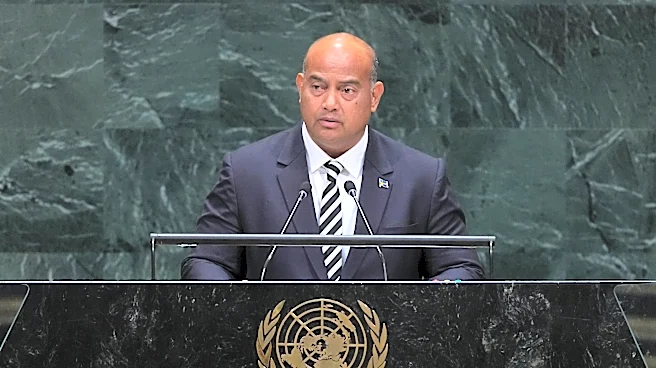
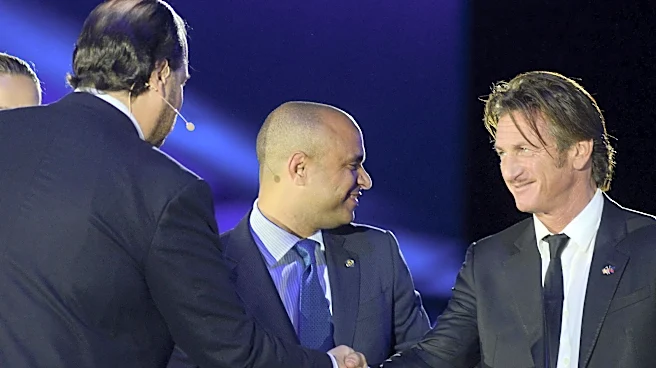
Albert Ramdin, the Secretary General of the Organization of American States (OAS), met with Haitian Prime Minister Alix Didier Fils-Aimé in Washington on October 15, 2026. The discussions primarily focused on critical issues facing Haiti, including national
security, preparations for upcoming elections, and strategies to enhance coordination between Haitian governmental institutions and their international partners. Secretary General Ramdin reiterated the OAS's ongoing commitment to supporting Haiti. This support is part of a broader collaborative effort that includes CARICOM, the United Nations, and other international bodies, all working towards facilitating Haitian-led solutions for the country's challenges. The meeting underscores the continued international focus on stability and democratic processes in Haiti, with the OAS playing a significant role in these diplomatic efforts. The dialogue aimed to reinforce existing partnerships and explore new avenues for cooperation to address the multifaceted crises in Haiti.
Why It's Important?
This meeting is significant as it highlights the sustained international attention on Haiti's political and security landscape. The OAS, as a key regional organization, plays a crucial role in fostering stability and democratic governance in the Americas. Its engagement with the Haitian Prime Minister signals a continued commitment to supporting Haiti's efforts to overcome its current challenges, particularly in establishing a secure environment and conducting credible elections. The emphasis on 'Haitian-led solutions' is vital, indicating a shift towards empowering local leadership in resolving national issues, which can lead to more sustainable outcomes. The coordination with other international partners like CARICOM and the UN demonstrates a unified approach to providing assistance, which is essential for effective intervention and resource allocation. The outcomes of such high-level discussions can influence policy decisions, aid packages, and diplomatic pressure, all of which are critical for Haiti's path toward recovery and stability.
What's Next?
Following this meeting, it is anticipated that the OAS, in conjunction with its partners, will continue to monitor the security situation in Haiti and provide technical assistance for electoral preparations. The discussions may lead to more concrete action plans for strengthening Haitian institutions and improving coordination among international stakeholders. Future engagements could involve further diplomatic efforts to ensure a conducive environment for elections and to address ongoing security concerns. The reaffirmation of support from the OAS suggests that the organization will remain actively involved in Haiti's political trajectory, potentially through observer missions, capacity-building programs, and continued dialogue with Haitian authorities. The focus on Haitian-led solutions implies that the next steps will likely involve empowering local actors to implement agreed-upon strategies, with international bodies providing necessary support and resources.
Beyond the Headlines
The meeting between Secretary General Ramdin and Prime Minister Fils-Aimé extends beyond immediate security and electoral concerns, touching upon the broader implications of international cooperation in fragile states. It underscores the delicate balance between external support and national sovereignty, emphasizing the importance of solutions driven by the affected nation. This approach can foster greater ownership and legitimacy for reforms, potentially leading to more enduring stability. Furthermore, the ongoing engagement of organizations like the OAS in Haiti highlights the persistent challenges of nation-building and democratic consolidation in the region. The discussions also reflect the evolving nature of international diplomacy, where multilateral organizations play a critical role in mediating crises and coordinating global responses. The long-term success of these efforts will depend on sustained commitment, effective resource allocation, and the ability to adapt to Haiti's dynamic political and social landscape.