





What's Happening?
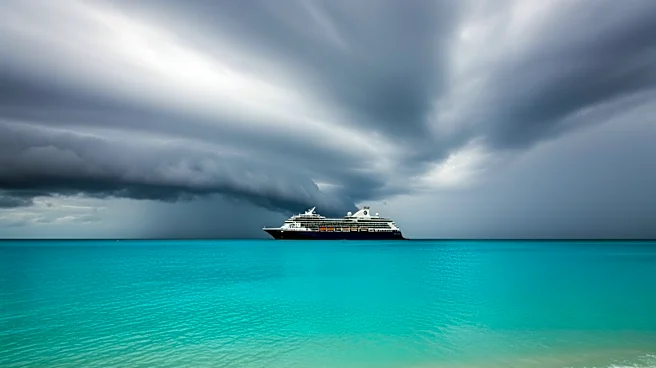
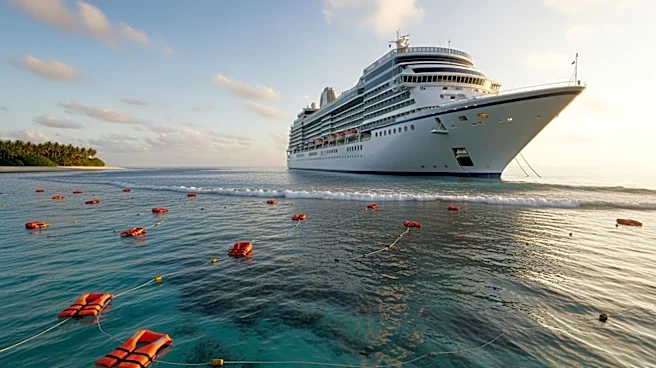
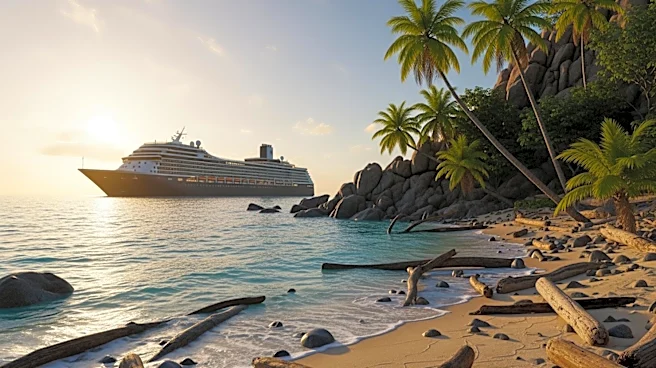
The Fiji Princess, a cruise ship operating around the islands of Fiji, was grounded on April 4 on the same island used in the 2000 movie 'Cast Away.' The ship, which can accommodate up to 64 passengers and 31 crew members, was hit by a severe squall while
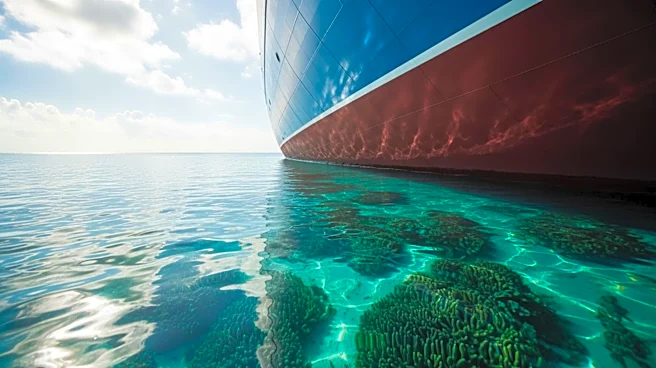
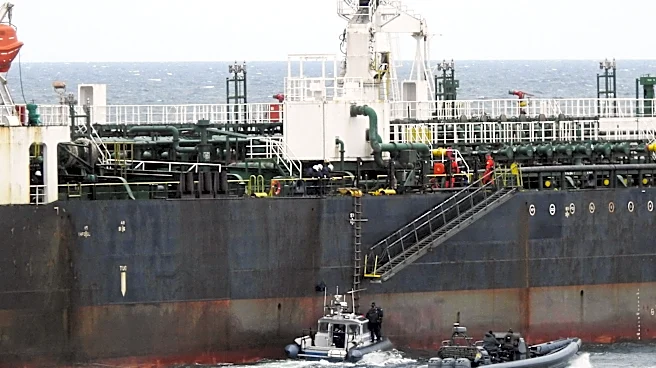
at anchor, causing it to drag anchor and hit a reef. This resulted in significant damage to the port side of the ship, leading to water ingress near the steering equipment. All 30 passengers and 17 crew members were safely evacuated to Port Denarau without any reported injuries. The primary concern now is the 20,000 liters of diesel fuel aboard the vessel, although there are no signs of a fuel leak. Containment equipment has been prepositioned as a precaution. A salvage team from Australia has been brought in to assess the damage and plan the removal of the vessel, but rough seas have delayed their efforts.
Why It's Important?
The grounding of the Fiji Princess raises significant environmental and safety concerns, particularly regarding the potential for a diesel fuel spill in the sensitive marine environment of Fiji. The incident highlights the risks associated with maritime travel in regions prone to severe weather conditions. The successful evacuation of passengers and crew underscores the importance of emergency preparedness and response in the cruise industry. Additionally, the incident could impact the reputation and operations of Blue Lagoon Cruises, the vessel's owner, potentially affecting future bookings and financial performance. The situation also serves as a reminder of the ongoing challenges faced by the maritime industry in ensuring the safety and environmental sustainability of their operations.
What's Next?
The immediate focus is on safely removing the diesel fuel from the Fiji Princess to prevent environmental contamination. The salvage team will continue to assess the damage and develop a plan to refloat and remove the vessel from the reef. Authorities will likely conduct a thorough investigation into the incident to determine the cause and prevent future occurrences. The outcome of these efforts will be closely watched by environmental groups, the maritime industry, and the local tourism sector, which may face economic repercussions if the incident leads to negative perceptions of safety and environmental stewardship in the region.