






What's Happening?
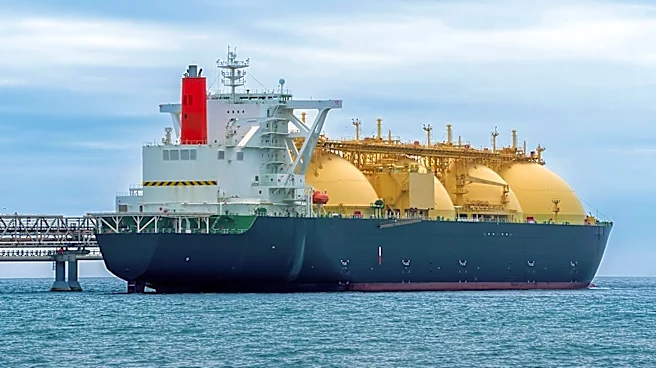
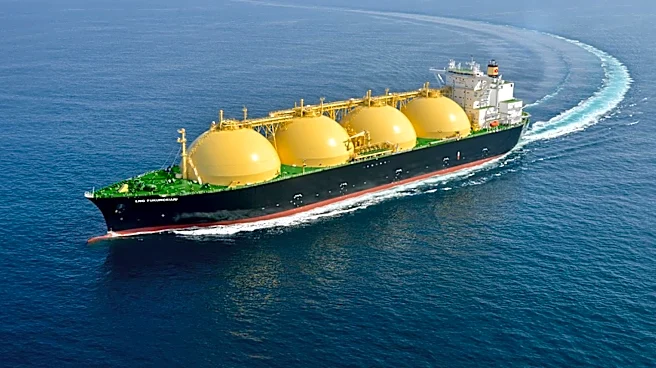
The Ports of Long Beach and Los Angeles have released a joint report, the 'Clean Marine Fuel Feasibility Assessment,' identifying liquefied natural gas (LNG) and methanol as the most viable cleaner marine fuels for oceangoing vessels in the near and medium
term. This study, conducted under the ports’ shared Green Shipping Corridor initiative, evaluated which fuels the shipping industry calling at the busiest U.S. port complex is most likely to adopt, the potential local demand, and the necessary infrastructure. The report concludes that both LNG and methanol offer pathways to lower vessel emissions, depending on their production and sourcing. Approximately 4,000 vessels call at the San Pedro Bay ports annually, and reducing emissions from these ships is crucial for achieving the Clean Air Action Plan goals.
Why It's Important?
This initiative is critical for U.S. environmental policy, public health, and the maritime industry. The Ports of Long Beach and Los Angeles are major gateways for international trade, and their efforts to reduce emissions have significant implications for air quality in surrounding communities and beyond. By identifying viable cleaner fuels, the ports are paving the way for a more sustainable shipping industry, which can lead to improved public health outcomes by reducing air pollutants. For U.S. businesses, this transition could mean new investments in fuel infrastructure, changes in shipping logistics, and potentially higher operational costs in the short term, balanced by long-term environmental benefits and regulatory compliance. The study's findings will guide future investments and collaborations with shipping lines, fuel suppliers, and government agencies, influencing the broader adoption of cleaner marine fuels across the nation.
What's Next?
The assessment recommends a phased approach, including incentives for early methanol use, exploration of pilot fueling projects, and utilizing existing storage facilities. For LNG, it suggests focusing on existing ship-to-ship fueling methods rather than building new major storage facilities at the ports. The ports plan to issue a joint request for proposals by the end of the year to demonstrate alternative fuel bunkering capabilities in San Pedro Bay. These findings will also inform planning and collaboration with various stakeholders to facilitate the maritime industry's transition to lower-emission operations. The Clean Air Action Plan aims to cut greenhouse gases from port-related sources by 40% below 1990 levels by 2030 and 80% by 2050, making these steps crucial for achieving those targets.
Beyond the Headlines
The shift towards cleaner marine fuels at major U.S. ports represents a significant step in addressing climate change and environmental justice concerns. Beyond the immediate reduction in emissions, this initiative could spur innovation in green technology and fuel production, creating new economic opportunities. There are ethical considerations regarding the sourcing and production of these cleaner fuels, ensuring they are truly sustainable and do not merely shift environmental burdens elsewhere. The legal framework will need to adapt to support these new fuel types, including safety regulations and permitting processes. Culturally, this move reflects a growing societal demand for environmental responsibility from large industries, potentially influencing consumer choices and corporate social responsibility initiatives across the supply chain. It also highlights the complex interplay between economic activity, environmental protection, and technological advancement.