





What's Happening?
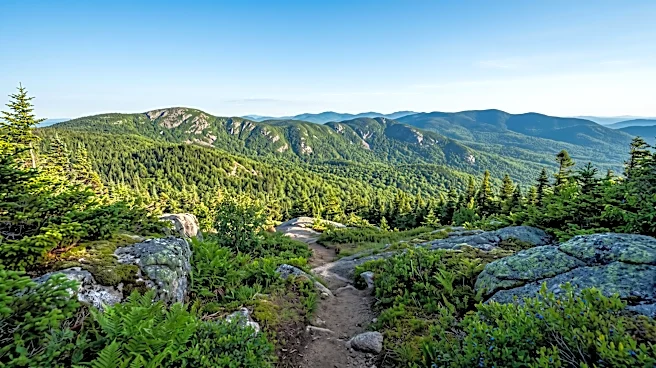
The Maine Highlands has released a guide emphasizing responsible tourism practices to protect its natural sights, which are increasingly under pressure from growing visitation. The guide highlights that while natural landscapes offer opportunities for
recreation and education, overtourism can quickly degrade fragile environments. It stresses the importance of environmental stewardship, advocating for adherence to 'Leave No Trace' principles, such as planning ahead, disposing of waste properly, and respecting wildlife. The guide also discusses the economic impact of natural sight tourism, noting that revenue from visitors helps fund conservation work, trail maintenance, and educational programming. It encourages supporting local businesses and hiring regional guides to maximize positive economic impacts and ensure communities have incentives to protect these natural assets.
Why It's Important?
This guide from The Maine Highlands is significant because it addresses the critical balance between promoting tourism and preserving natural resources, a challenge faced by many U.S. regions. By advocating for responsible visitation, it aims to mitigate the negative impacts of overtourism, such as environmental degradation and strain on local infrastructure. The emphasis on 'Leave No Trace' principles provides a practical framework for visitors to minimize their footprint, fostering a culture of stewardship. Furthermore, the guide highlights the symbiotic relationship between tourism revenue and conservation efforts, demonstrating how managed visitation can directly contribute to the protection of natural sights. This approach is crucial for ensuring the long-term sustainability of these valuable ecosystems and the continued enjoyment of outdoor wonders for future generations, setting a precedent for other natural destinations across the country.
What's Next?
The Maine Highlands guide suggests a continued focus on educating visitors and promoting sustainable practices. Future efforts will likely involve broader dissemination of 'Leave No Trace' principles and increased collaboration with local businesses and communities to ensure tourism benefits are reinvested into conservation. There may be an emphasis on encouraging visitors to explore lesser-known regional natural sights to distribute visitor impact more evenly, rather than concentrating it on iconic destinations. The guide's focus on supporting local economies through tourism spending indicates a path toward strengthening community incentives for environmental protection. This proactive approach aims to create a model where tourism serves as a tool for conservation, rather than a threat, potentially influencing how other U.S. natural areas manage their visitor economies.
Beyond the Headlines
The guide's focus on responsible tourism in The Maine Highlands touches upon the evolving relationship between humans and nature in the age of mass travel. The concept of 'geotagging' and location sharing, specifically mentioned as a potential harm to sensitive sites, highlights a modern ethical dilemma: the desire to share experiences versus the responsibility to protect vulnerable places. This raises questions about digital etiquette in natural spaces and the potential for social media to inadvertently contribute to overtourism. The guide implicitly calls for a shift in mindset from mere consumption of natural beauty to active participation in its preservation. This deeper implication suggests a cultural movement towards more mindful travel, where visitors become stewards rather than just spectators, fostering a more sustainable and respectful engagement with the natural world.