






What's Happening?
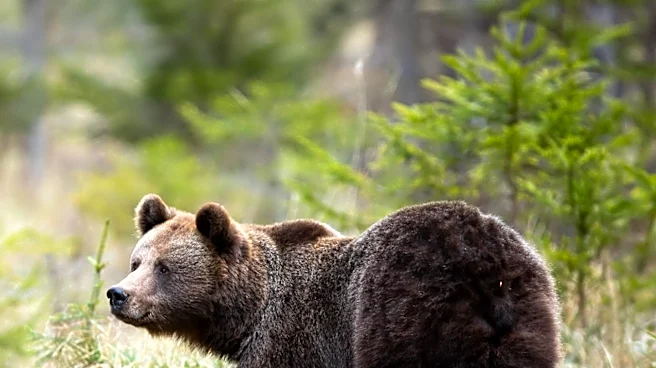
Colorado Parks and Wildlife (CPW) has euthanized 294 black bears this year by August 31, a significant increase compared to 83 during the same period last year. This surge in euthanizations is a direct response to a record number of human-bear encounters,
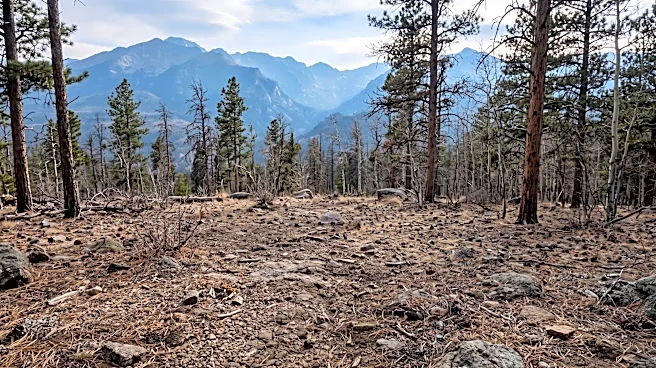
primarily driven by widespread wildfire and drought conditions. These environmental factors have severely limited bears' natural food sources, such as berries and acorns, forcing them to forage in more populated areas. Bears require approximately 20,000 calories daily to prepare for hibernation, and the scarcity of food has led to a "drastic increase" in conflicts, with 8,672 reported sightings and incidents this year, up from 3,680 last year. Incidents involving property damage and bears accessing human food sources have also risen by 56% in Pitkin County. CPW employs an escalating scale of response, with euthanasia reserved for bears involved in attacks, repeated home invasions, or severe injuries, such as those sustained from vehicle collisions.
Why It's Important?
The record number of bear euthanizations in Colorado highlights a critical intersection of environmental degradation, wildlife management, and public safety in the U.S. The underlying causes—wildfire and drought—are direct consequences of climate change, indicating a broader ecological crisis impacting wildlife behavior and human-wildlife coexistence. This situation places immense pressure on CPW, which must balance conservation efforts with the immediate need to protect human lives and property. The increased encounters also strain community resources and public perception of wildlife, potentially leading to calls for more aggressive or, conversely, more humane management strategies. Economically, the disruption caused by bear incidents can affect tourism and outdoor recreation, which are significant industries in Colorado. The issue also raises questions about urban planning and waste management in areas bordering wilderness, as human-provided food sources are a major attractant for hungry bears.
What's Next?
Colorado Parks and Wildlife will likely continue to emphasize public education campaigns on how to prevent bear encounters, focusing on securing trash, removing outdoor food sources, and proper behavior in bear habitats. There may be increased enforcement of regulations regarding attractants in bear-prone areas. CPW will also continue to monitor bear populations and incident rates, adapting their management strategies as conditions evolve. Discussions may arise regarding long-term solutions, such as habitat restoration efforts to increase natural food availability for bears, or more robust urban planning that incorporates wildlife corridors and deterrents. The public's strong interest in the fate of the bears could also lead to increased funding for non-lethal bear management techniques or research into bear behavior in human-dominated landscapes. The ongoing drought and wildfire seasons will remain critical factors influencing future human-bear interactions.
Beyond the Headlines
The escalating human-bear conflicts in Colorado underscore a profound ethical challenge regarding human responsibility in coexisting with wildlife, particularly as climate change intensifies. The euthanasia of a significant number of bears, while deemed necessary for public safety, raises questions about the long-term viability of current wildlife management practices and the moral implications of human encroachment on natural habitats. This situation reflects a broader societal tension between development and conservation, forcing communities to confront the consequences of their environmental footprint. It also highlights the psychological impact on wildlife officers who are tasked with these difficult decisions. The crisis could catalyze a shift in public consciousness towards greater environmental stewardship and a more proactive approach to mitigating climate change, recognizing its direct link to wildlife displacement and conflict. Ultimately, it calls for innovative solutions that prioritize both human safety and the ecological health of wildlife populations.