








What's Happening?
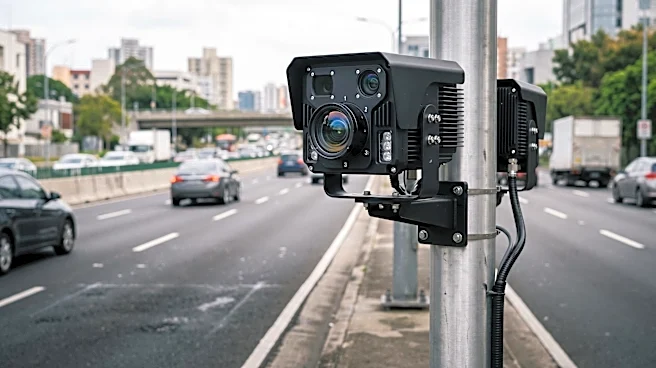
Flock Safety, a prominent manufacturer of automated license plate readers (ALPRs), is experiencing growing opposition in its hometown of Atlanta, Georgia. Residents and civil rights advocates are raising significant concerns about privacy, potential misuse,
and errors associated with the widespread deployment of these cameras. Alex Wittlin, an Atlanta resident, was mistakenly stopped by police due to his car being similar to a suspect's vehicle, which was flagged by a Flock camera. This incident highlights the issues of mistaken identity and the pervasive nature of surveillance. Critics argue that while the cameras are intended to deter crime and aid law enforcement, they also create a surveillance state where citizens' movements are constantly tracked. Atlanta's mayor has announced plans for new regulations governing the city's extensive camera networks, including Flock cameras, and the Atlanta Police Department is auditing ALPR searches, which have flagged some questionable uses. The company itself is implementing some changes, such as reducing data retention from 30 to seven days and requiring case numbers for searches, though these measures are deemed insufficient by some critics.
Why It's Important?
The backlash against Flock Safety's ALPRs in Atlanta is significant because it represents a growing national debate over the balance between public safety and individual privacy in the age of advanced surveillance technology. Atlanta, being the company's headquarters and a city with a high per capita surveillance camera count, serves as a critical battleground for these issues. The concerns raised—mistaken identity, potential for misuse by law enforcement (including stalking), and the sheer volume of data collected—have broad implications for civil liberties across the U.S. If regulations in Atlanta become stricter, it could set a precedent for other cities and states grappling with similar technologies. The effectiveness of ALPRs in deterring crime beyond auto theft and property crimes is also being questioned, suggesting that the perceived benefits might not outweigh the privacy costs. This situation underscores the need for robust policy frameworks and accountability mechanisms to govern the use of such powerful surveillance tools.
What's Next?
Atlanta city officials are currently reviewing a citywide ALPR policy proposal that includes restrictions on database access and mandates monthly compliance audits. This could lead to more stringent regulations on how Flock cameras and their data are used by law enforcement and other entities. Flock Safety is also implementing its own nationwide guardrails, including reduced data retention and mandatory case numbers for searches, which will be required by January 1. However, civil rights organizations like the ACLU view these changes as insufficient. The debate is also gaining traction at the federal level, with Senators Raphael Warnock and Katie Britt urging the Justice Department to create nationwide guidelines for preventing police abuse of license plate readers. This indicates a potential for federal oversight or state-by-state regulations in the future. Communities outside Atlanta are also ending contracts with Flock, suggesting a broader trend of reevaluation of these technologies.
Beyond the Headlines
The controversy surrounding Flock Safety's cameras in Atlanta touches upon deeper ethical and societal implications regarding the future of privacy in an increasingly surveilled world. The ease with which ALPR data can be collected and shared raises questions about the potential for a 'chilling effect' on civil liberties, where individuals may self-censor or alter their behavior due to the constant monitoring. The issue also highlights the power dynamics between technology companies, law enforcement, and citizens, and the challenges of ensuring accountability when powerful surveillance tools are deployed. The debate extends beyond just ALPRs to the broader ecosystem of surveillance technologies, prompting a reevaluation of what constitutes reasonable surveillance in a democratic society. The vandalism of Flock cameras in Atlanta also points to a segment of the population willing to take direct action against perceived overreach, signaling a growing public frustration with the lack of control over personal data and privacy.