
What's Happening?
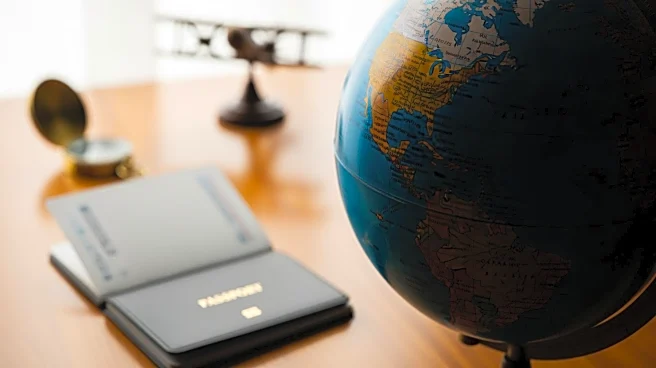
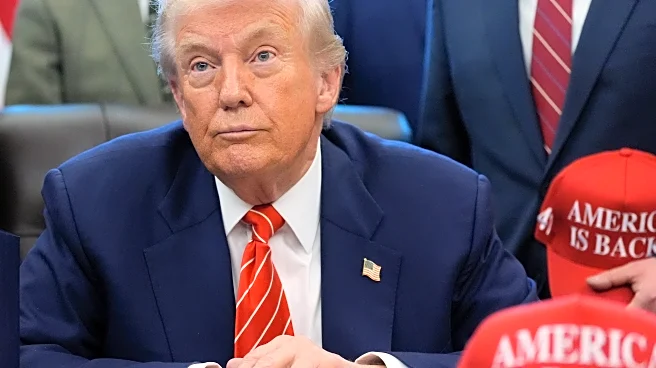
The Trump administration is considering a policy change that would require visitors from 42 countries, including the UK, Japan, and several European nations, to provide social media account information as part of their visa applications. This proposal,
part of a broader effort to tighten U.S. border security, is raising concerns among tourism experts. The World Travel and Tourism Council (WTTC) forecasts a potential loss of 4.7 million international visitors to the U.S. in 2026, which could result in a $21.5 billion economic impact. The policy is open for public comment until February 9, 2026, and has already sparked debate about its potential effects on the U.S. tourism industry.
Why It's Important?
The proposed changes could significantly impact the U.S. tourism sector, a vital component of the national economy. States like Florida, California, and Texas, which heavily rely on international tourism, could face substantial economic losses. The WTTC estimates that the policy could lead to a $15.7 billion reduction in visitor spending, affecting not just hotels and airlines, but also restaurants, retail, and entertainment sectors. Additionally, the policy could damage the U.S.'s image as a welcoming destination, potentially shifting tourist flows to other countries perceived as more accessible.
What's Next?
As the public comment period nears its end, industry stakeholders are likely to intensify their lobbying efforts against the proposal. If implemented, the policy could coincide with major events like the 2026 World Cup, potentially dampening expected economic benefits. The tourism industry may need to adapt by finding new ways to attract visitors or by lobbying for policy adjustments that mitigate negative impacts.