
What's Happening?
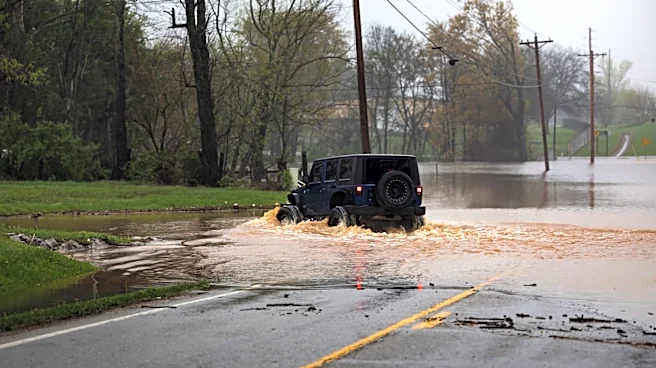
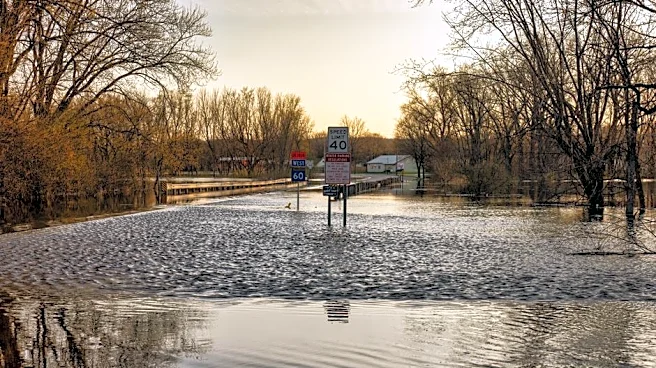
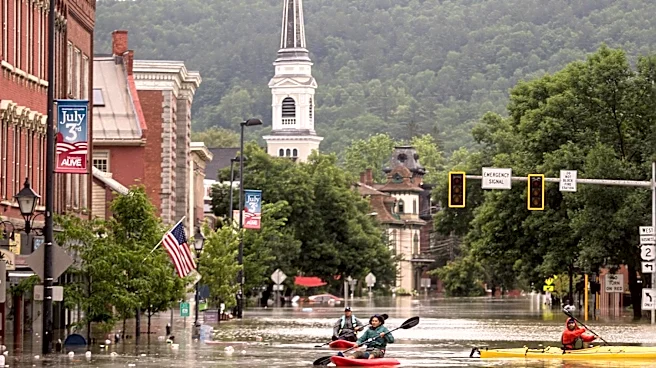
Severe thunderstorms have caused historic flooding in West Virginia, leading to washed-out roads and disrupted emergency services. The flooding prompted Governor Patrick Morrisey to declare a state of
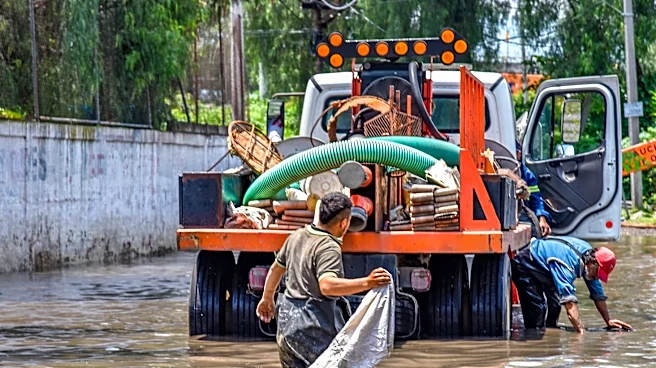
emergency for all 55 counties in the state. Emergency crews are working to reach residents in need, but the extent of the damage is difficult to assess due to impassable streets. The flooding has also affected phone services, including 911, complicating relief efforts.
Why It's Important?
The flooding in West Virginia highlights the vulnerability of infrastructure to extreme weather events, which are becoming more frequent due to climate change. The disruption of emergency services and communication networks underscores the need for resilient infrastructure and effective disaster response strategies. The situation also raises concerns about the long-term impacts on affected communities, including economic losses and the potential for displacement. The state's response to this crisis will be critical in mitigating the immediate effects and planning for future resilience.
What's Next?
As the floodwaters recede, efforts will focus on assessing the damage and providing relief to affected residents. The state government, along with federal agencies, will likely coordinate recovery efforts and allocate resources to rebuild infrastructure. The situation may also prompt discussions on improving flood management systems and investing in infrastructure upgrades to better withstand future weather events. Community support and volunteer efforts will play a crucial role in the recovery process.