




What's Happening?
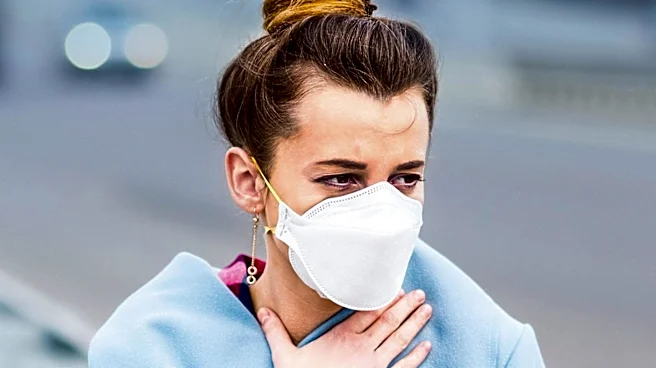
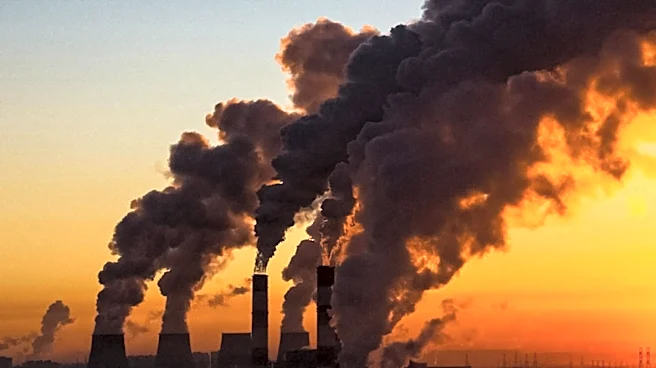
Residents of Covington, Virginia, are experiencing significant environmental and health issues attributed to the Smurfit WestRock paper mill. Amanda Dean, who lives two miles from the mill, reports strong odors and ash covering her car, and has been hospitalized
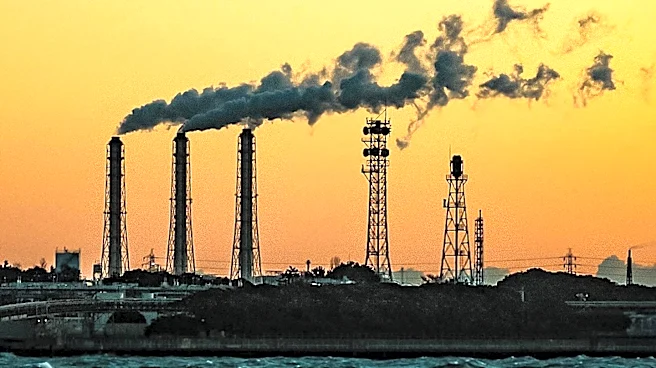
multiple times for asthma since moving to the area. The Environmental Integrity Project, a national watchdog group, identified the mill as one of the worst polluters in the country last year. The group claims the mill significantly underreports its true climate footprint, largely due to a federal loophole that exempts greenhouse gases from burning wood. While the company reported 970,000 metric tons of greenhouse gases to the U.S. Environmental Protection Agency (EPA) in 2023, the Environmental Integrity Project estimates the real total, including wood-burning emissions, was closer to 2.5 million metric tons. Additionally, the mill reportedly pumped out over 2,000 tons of nitrogen oxide, more than 200,000 metric tons of methane, and approximately 170,000 pounds of hydrochloric acid in the same year. Local fishermen also report frequent river pollution, with discharges occurring at least half a dozen times a year, rendering the river unfishable for extended periods.
Why It's Important?
This situation in Covington, Virginia, highlights critical issues regarding environmental regulation, corporate accountability, and public health in the U.S. The alleged underreporting of emissions by the Smurfit WestRock paper mill, facilitated by a federal loophole, underscores potential weaknesses in current environmental protection laws, specifically the Clean Air Act's New Source Review provision. This provision only mandates equipment modernization if a plant expands or upgrades, potentially allowing older facilities to continue operating with outdated pollution controls. The discrepancy between reported and actual emissions raises questions about the effectiveness of self-reporting mechanisms and the oversight capabilities of regulatory bodies like the EPA and the Virginia Department of Environmental Quality. The health impacts on residents, such as increased asthma hospitalizations, demonstrate the direct consequences of industrial pollution on communities. Furthermore, the reported dismissal of citizen complaints by local officials and state agencies erodes public trust and suggests a potential lack of responsiveness to environmental justice concerns, where marginalized communities often bear a disproportionate burden of pollution.
What's Next?
Residents like Amanda Dean and local fishermen are calling for greater transparency and action from city council members and environmental agencies. They hope for interventions that will mitigate the pollution and improve the quality of life in Covington. The Environmental Integrity Project's findings could prompt increased scrutiny from federal and state environmental agencies, potentially leading to investigations into the mill's compliance with environmental regulations and the validity of the wood-burning emissions loophole. There may be calls for legislative changes to close such loopholes and strengthen environmental protection laws. Local advocacy groups are likely to continue pressuring officials and the company for solutions. The long-term goal for some, like Shaffer, is for the mill and Covington to become a success story in environmental stewardship, suggesting a desire for collaborative efforts to find sustainable solutions that benefit both the industry and the community. The ongoing public discourse could also influence future industrial siting decisions and environmental impact assessments across the country.
Beyond the Headlines
The case of the Smurfit WestRock paper mill in Covington reveals deeper systemic challenges within U.S. environmental governance. The reliance on self-reported emissions, coupled with regulatory loopholes, can create an environment where industrial polluters may operate with less accountability than intended by environmental laws. This situation also brings to light the power dynamics between large corporations and small communities, where economic dependence on an industry can make it difficult for residents to advocate effectively for their health and environmental rights. The dismissal of citizen complaints by officials raises ethical questions about the impartiality of regulatory bodies and their commitment to public welfare. Furthermore, the issue of wood-burning emissions, often classified as carbon-neutral, is a contentious point in climate policy, with environmental groups arguing that it contributes significantly to greenhouse gas emissions and local air pollution. This local struggle in Covington reflects a national debate on how to balance industrial activity, economic development, and environmental protection, particularly in communities that have historically relied on heavy industry.